Business · 6 min read
How to launch a private-label car wrap brand with an OEM factory
How to launch a private-label wrap brand with an OEM vinyl wrap factory: range planning, OEM color match vinyl wrap, samples, packaging and quality control.
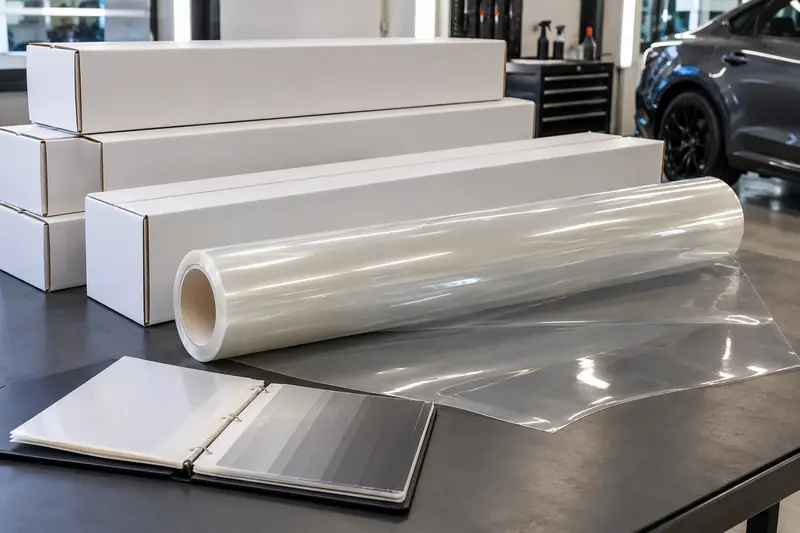
Short answer: Start with a focused range of proven colors, add OEM color match vinyl wrap shades if your market asks for factory-paint matches, test free samples with real installers, agree packaging and liner printing with the factory, order 2–3 months of stock and keep batch numbers on every roll for reorders.
Many successful wrap film brands do not own a coating line. They partner with a manufacturer, focus on range, marketing and service, and let the factory handle production. This guide is for distributors, importers and established shops who want to launch their own brand, including those who want OEM color match vinyl wrap shades that reproduce factory paint colors.
Key takeaways
- "OEM" means two different things in this business: a factory that makes film under your brand, and color-matched film that copies a car maker's factory paint.
- A first private-label range of 20–40 colors across gloss, satin and matte is usually enough to test a market.
- OEM color match vinyl wrap starts from a physical paint reference, not a paint code alone, and is approved on samples in daylight.
- Private label typically covers printed release liners, branded boxes and labels, and swatch books; neutral packing is an option.
- Batch numbers on every roll are what let you supply matching repair film months later.
What "OEM vinyl wrap" means
Buyers use the term OEM vinyl wrap in two ways:
| Meaning | What it is | Who asks for it |
|---|---|---|
| OEM manufacturing | A factory produces film to your specification and packs it under your brand | Distributors, importers, new brands |
| OEM color match | Film colored to match a vehicle maker's factory paint | Shops doing partial wraps, fleets, repair-friendly ranges |
Most new brands start with the first meaning and add the second as their range grows. Both are covered below. If you are still choosing a factory, read our guide to choosing a vinyl wrap manufacturer.
1. Define the range
Decide who you sell to (installers, retail DIY buyers or fleet companies) and pick a range that fits. A first range of 20–40 colors across gloss, satin and matte is enough to test the market. Add color PPF or PET liner films as premium lines. If you plan a protection line under your brand, our private-label PPF guide covers the extra questions TPU film raises.
2. OEM color match vinyl wrap
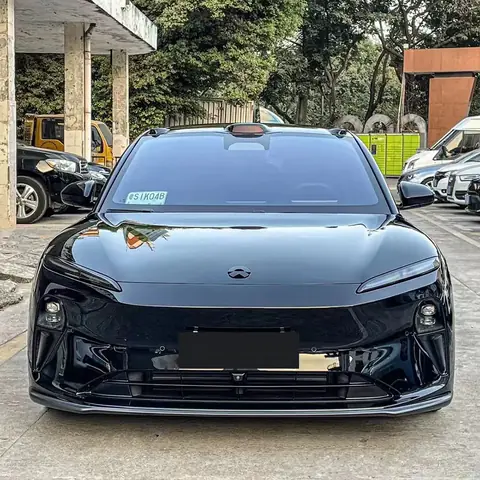
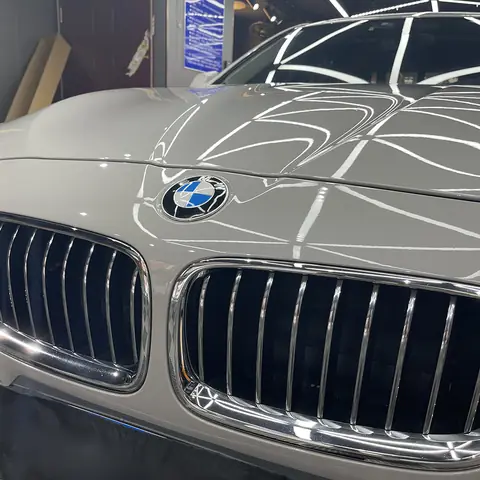
OEM color-matched vinyl reproduces a factory paint color in wrap film. Shops use it when they want a partial wrap (roof, mirrors, a single panel) to blend with the original paint, when a fleet operator needs film that matches the paint on vehicles in service, or when a customer wants a factory color their car was never offered in.
How color matching works
- Provide a physical reference. A paint code identifies a color, but paint varies between plants and model years. Send a painted panel, a fuel flap or a paint chip from the actual color you want matched.
- Agree the finish. Decide whether the match is gloss, satin or matte, and whether the color is solid, metallic or pearl.
- Lab matching. The factory formulates pigment to match the reference and produces drawdowns or small samples.
- Approve in daylight. Compare the sample against the reference under daylight and shop lighting, at several angles. Agree an acceptable tolerance in writing; many buyers express it as a color difference value.
- Pilot and production. After approval, the factory produces the color on its normal line, records the formula and assigns a batch number.
Limits to explain to customers
- Metallic and pearl paints are the hardest to match. Flake size, orientation and effect pigments in paint behave differently from film, so a match can look right head-on and different at an angle.
- Aged paint fades. Film matched to a new panel may look slightly different next to a car that has been in the sun for years.
- Solid colors such as whites, blacks, greys and reds are the easiest and most reliable color-matched vinyl.
Planning minimums and lead times
Custom colors involve formulation and a production run, so they are quoted per project. Ask for the minimum length per custom color, the sampling time and whether the formula is kept on file for reorders. At Mars Decorative Film, custom orders typically ship in about 7 business days after approval, while in-stock films ship in 3.
3. Test samples with installers
Request free A4 samples or swatch books and give them to two or three installers. Ask them to judge slide, repositionability, stretch, heat response and finish. Their feedback matters more than any datasheet. For color-matched shades, ask installers to lay a sample next to the painted panel on a real car.
4. Agree packaging and branding
Private label usually covers three things:
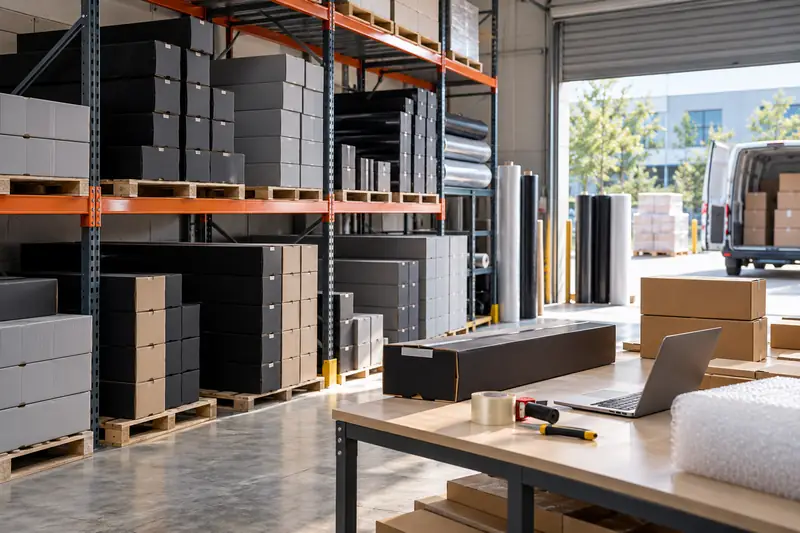
- Roll boxes with your logo and product labels.
- Liner (backing paper) printing with your brand and roll direction arrows.
- Swatch books for your sales team and resellers.
You can also start with neutral packaging and add branding later. Give each color your own name and code, and keep a cross-reference to the factory's code so reorders are exact.
5. Plan the first order
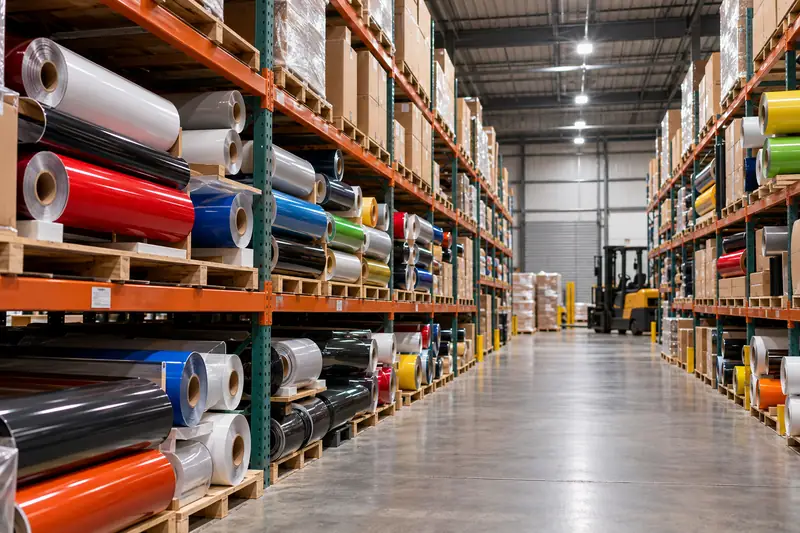
Order enough to cover two to three months of expected sales, weighted toward your best sellers. Mixed colors in one order are normal. Ask the factory for lead times on stock colors versus custom colors, and factor in shipping and customs time if you import. Our guide to importing car wrap film from China covers the logistics.
| Item | What to agree with the factory |
|---|---|
| Range | Color list, finishes, film type (PVC, PET liner, color PPF) |
| Custom colors | Reference, tolerance, minimums, sample approval |
| Packaging | Box design, liner print, labels, swatch books or neutral packing |
| Quantities | Rolls per color for the first order and expected reorder rhythm |
| Quality records | Batch numbering, inspection steps, documents such as RoHS on request |
| Lead time | Stock vs custom, packaging production time |
6. Control quality and consistency
Ask for batch numbers on every roll and keep a record by customer. When a shop needs a repair panel, you can supply film from the same batch. This matters even more for OEM color match vinyl wrap, where a customer expects the film to keep matching the paint. Report any issues with photos and roll numbers so the factory can investigate.
7. Support your resellers
Provide installation guides, care instructions and a clear warranty policy. Good technical support is what makes installers loyal to a brand.
Working with our OEM team
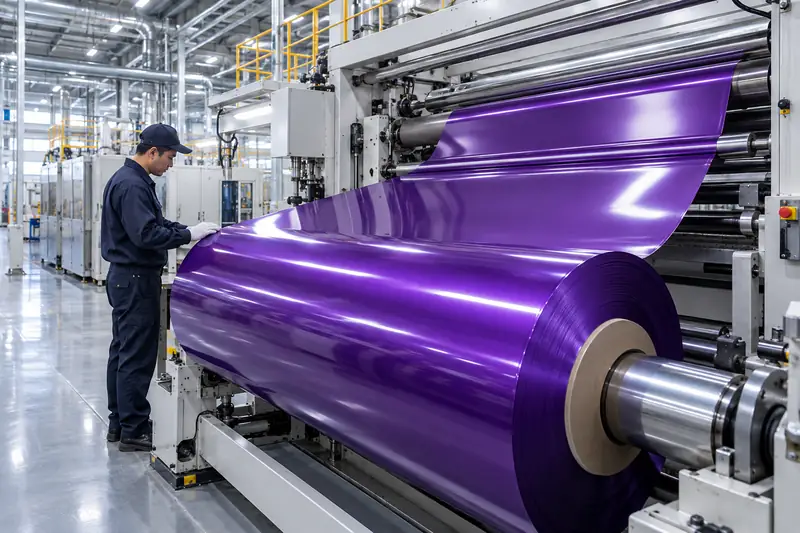
Mars Decorative Film runs 6 coating and slitting lines in Shanghai and has exported to 24 markets for more than ten years. Send us your target range, any color-match references and your market, and we will prepare samples and a packaging proposal. See our OEM and private label services or contact our team.
Frequently asked questions
What is OEM color match vinyl wrap?
It is wrap film colored to match a car maker's factory paint. It is used for partial wraps that blend with the original paint, fleet colors and repair-friendly ranges. Matching works from a physical paint reference and is approved on samples.
What is an OEM vinyl wrap?
The term usually means film made by a factory and sold under another company's brand. It can also mean color-matched film that copies a vehicle maker's paint color.
Can any car paint color be matched in vinyl?
Most solid colors can be matched closely. Metallic, pearl and multi-layer effect paints are harder, and the match may look different at some angles.
What is the minimum order for private label?
Stock films ship from one roll. Custom-printed boxes, liners and custom colors are quoted per project based on quantity.
Can I sell under my own brand without printing boxes?
Yes. Many brands start with neutral packaging and apply their own labels.
How do I protect my brand's color consistency?
Track batch numbers on every roll and reorder popular colors before stock runs out. For custom colors, keep the approved sample and formula reference on file.