Vinyl wraps · 7 min read
Satin black vs matte black vs gloss black wrap: which looks best?
Satin black, matte black and gloss black car wraps compared on look, upkeep, scratch visibility and cost, plus grey options like nardo and satin grey.
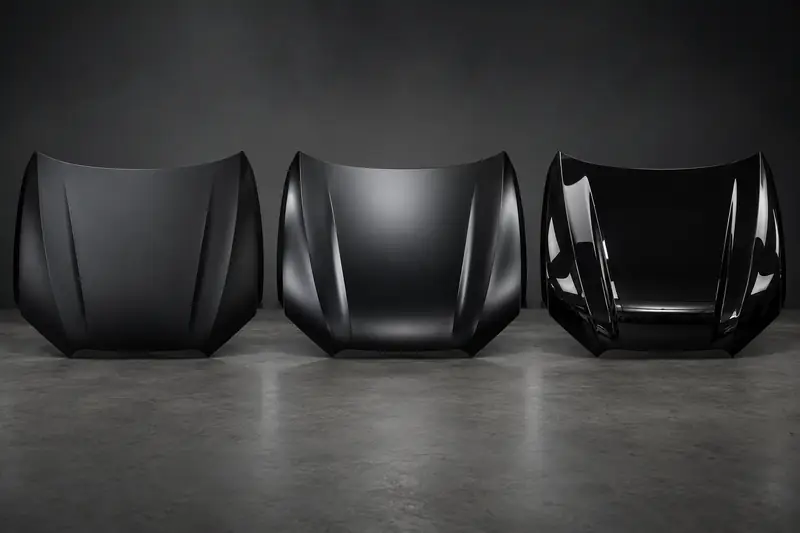
Short answer: Satin black is the most forgiving black wrap: it has a soft sheen that shows body lines, hides minor dust and swirls better than gloss, and is easier to clean than matte. Gloss black looks closest to paint but shows every scratch; matte black looks the most aggressive but marks more easily and needs matte-safe care.
Satin black is the best-selling black wrap finish in many shops, but it is not the right choice for every car or every owner. This guide compares satin black, matte black and gloss black vinyl wrap on appearance, maintenance and installation, then looks at the grey alternatives that customers often ask about next. It is written for wrap shops building a black and grey range, and for drivers deciding which black car wrap to book.
Key takeaways
- Black wraps come in three main sheen levels: gloss (high reflection), satin (soft sheen) and matte (almost no reflection).
- Satin black is generally the easiest black to live with: it hides light dust and swirls better than gloss and cleans more easily than matte.
- Gloss black looks most like paint, especially on PET liner film, but shows scratches, swirl marks and water spots clearly.
- Matte black hides body-panel waviness but marks with oily fingerprints and must never be waxed or polished.
- A black vehicle wrap gets hotter in the sun than lighter colors, so post-heating and good edge work matter even more.
Matte, satin and gloss black at a glance
| Gloss black | Satin black | Matte black | |
|---|---|---|---|
| Reflection | High, mirror-like | Soft, low sheen | Very low, flat |
| Shows body lines | Strongly | Clearly but gently | Least |
| Shows scratches and swirls | Most | Moderate | Scuffs show as shiny spots |
| Shows dust and fingerprints | Dust and water spots | Least overall | Oily fingerprints |
| Cleaning | Standard car care | Matte or satin-safe products | Matte-safe products only |
| Polishing | Possible on some films | Not recommended | Never |
| Best for | Paint-like look, roofs, trim | Daily drivers, sports cars, SUVs | Show cars, aggressive styling |
For a broader look at finishes beyond black, read our guide to gloss, satin, matte and chameleon finishes.
Satin black wrap: the safe middle ground
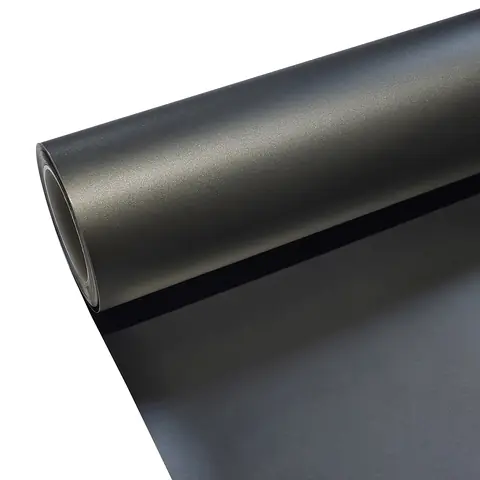
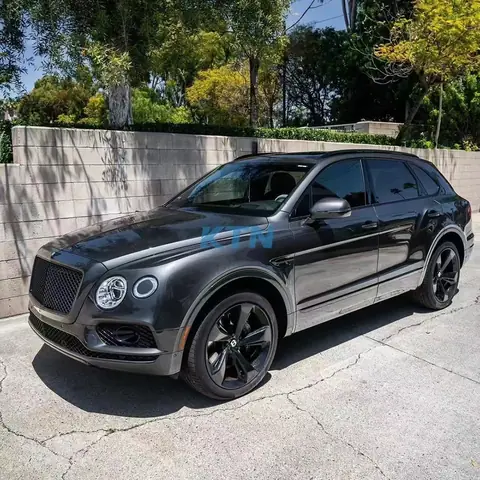
A satin black car wrap reflects some light but scatters most of it, so the car looks deep and modern without the mirror effect of gloss. Body creases and character lines still read clearly, which is why satin black is popular on sports cars, German sedans and SUVs.
Why customers like satin black vinyl wrap:
- Light dust and fine wash marks are less obvious than on gloss.
- It does not show fingerprints as badly as matte.
- It suits both chrome-delete trim and full color changes.
Things to tell customers:
- Satin films should be cleaned with products made for matte and satin surfaces. Waxes with gloss enhancers can leave blotchy shiny patches.
- Scratches cannot be polished out the way they can on paint. A badly scratched panel is usually rewrapped.
Matte black car wrap: maximum attitude
A matte black wrap has almost no reflection, which gives a "stealth" look that is popular on trucks, off-roaders and performance cars. A matte black Jeep Wrangler or pickup is a common request because the flat finish suits boxy shapes and hides small dents.
Matte black wrap vs matte black automotive paint
Matte black automotive paint is hard to maintain: it cannot be polished, spot repairs rarely blend, and a damaged panel usually means a full respray. A matte black vinyl wrap gives the same look with two practical advantages:
- Damaged panels can be rewrapped individually at a fraction of the cost of repainting.
- The original paint is preserved underneath, so the car can return to its factory color at resale.
Living with matte black vinyl
- Hand wash with matte-safe shampoo; avoid automatic washes with brushes.
- Remove bird droppings and bug splatter quickly, since they can etch or stain.
- Do not apply wax, glaze or polish. Use sealants labeled for matte finishes if you want extra protection.
- Rubbing hard on one spot can burnish matte film and leave a shiny patch.
Gloss black vinyl wrap: closest to paint
Gloss black vinyl wrap is the most paint-like black, and it is the default choice for roofs, mirror caps, spoilers and chrome delete. A full gloss black car wrap looks expensive when the film is smooth and the installation is clean, but it is also the least forgiving finish.
Why the film type matters for gloss black
Gloss black shows surface texture more than any other color. Standard PVC wrap can show a slight orange-peel texture under strong light. PET liner vinyl is carried on a rigid polyester liner, which keeps the face film flatter and gives a smoother, glassier reflection. If your customers compare a gloss black automotive vinyl wrap against gloss black automotive paint, PET liner film is usually the better match. Our PET liner vinyl explainer covers how it works.
Gloss black trade-offs:
- Swirl marks from poor washing are very visible.
- Every stretch mark or overstretched area is easier to spot.
- Some gloss films can be lightly polished, but only if the manufacturer's data sheet allows it.
Installing black vinyl wrap: what changes?
Black film is not harder to stretch than other colors, but it makes mistakes easier to see and gets hot in the sun. Points installers usually watch:
- Overstretching. Overstretched black film can lighten or turn slightly grey, especially satin and matte. Use relief cuts and inlays in deep recesses instead of forcing one piece.
- Direction of the film. On satin and matte, panels cut in different directions can look slightly different under light. Keep all panels in the same roll direction where possible.
- Post-heating. Black film absorbs heat, so edges and recesses that were not post-heated properly are more likely to lift on hot days. Follow the post-heat temperature on the film's data sheet.
- Batch matching. Use one batch for a whole car. Mars Decorative Film batch-numbers every roll so shops can reorder the same batch for repairs.
To estimate roll length before quoting, use the calculator in how much vinyl to wrap a car.
Grey alternatives: nardo grey, satin grey and matte gray wraps
Many customers who start by asking for a black wrap end up choosing grey, which shows less dust and stays cooler in the sun.
- Nardo grey wrap. A flat, solid mid-grey with no metallic flake, made popular by performance cars. It is usually offered in gloss, and it is one of the most requested grey car wrap colors.
- Satin grey wrap. Combines a mid or dark grey with a satin sheen. It reads as modern and technical, and it is very forgiving of dust.
- Matte gray wrap. A flat grey that looks close to primer in some light; popular on trucks and off-road builds.
- Dark grey metallic. Adds fine flake for depth, a good choice for customers who find solid black too plain.
Grey vinyl wrap generally follows the same care rules as black in the same sheen: gloss can be cared for like paint, satin and matte need finish-safe products.
How much does a black car wrap cost?
The film color itself has little effect on price compared with vehicle size, complexity and shop rates. As a rough guide, a full black vinyl car wrap in many markets typically falls around USD 2,500–5,000 for a standard car, more for large SUVs, exotic cars and jobs with door jambs. Partial jobs such as a gloss black roof or chrome delete are commonly a few hundred dollars. Prices vary widely by region, vehicle and shop, so treat these as starting points rather than quotes.
Stocking black and grey wrap film
Black and grey are steady sellers, so most shops keep gloss, satin and matte black plus two or three greys on the shelf. Browse our PVC vinyl wrap range or filter by finish, such as satin films, and request free A4 samples to compare sheen levels under your own shop lighting.
Frequently asked questions
Is satin black or matte black better for a car wrap?
Satin black is usually easier to live with because it hides dust and fingerprints better and cleans more easily. Matte black gives a flatter, more aggressive look but marks more readily and needs strict matte-safe care. Both hide minor panel waviness better than gloss.
Does matte black wrap scratch easily?
Matte black wrap is not necessarily softer than other films, but scratches and scuffs can show as shiny lines because the flat surface is disturbed. Unlike paint, it cannot be polished to remove marks. Damaged panels are usually rewrapped.
Can you wax a satin black wrap?
Avoid traditional waxes and polishes on satin and matte films, because they can add uneven gloss. Use sealants and detail sprays made specifically for matte and satin finishes. Gloss films can usually take wrap-safe waxes.
Does gloss black vinyl look like paint?
Good gloss black vinyl can look very close to paint, especially PET liner films with low orange peel. Up close, edges and seams can still give it away. Clean installation and smooth film are what make the difference.
Is a black car wrap hotter than other colors?
Yes, black absorbs more sunlight than lighter colors, so the panel surface gets warmer. This mainly matters for installation quality: well post-heated edges and recesses are less likely to lift in hot weather.
What is nardo grey?
Nardo grey is a flat, solid mid-grey without metallic flake. It is widely copied in vinyl, typically in gloss, and it is one of the most requested grey car wrap colors for a clean, understated look.