Window tint · 7 min read
Ceramic tint vs regular tint: carbon, dyed and nano ceramic compared
Ceramic tint vs regular tint explained — how dyed, carbon and nano ceramic window films differ in heat rejection, night visibility, signal and cost.
Short answer: Ceramic tint uses non-metallic ceramic particles to block a large share of infrared heat without darkening the glass as much, and it does not interfere with phone or GPS signals. Regular dyed tint mainly reduces glare and fades over time. Carbon tint sits in between: stable color and better heat rejection than dyed, at a lower price than ceramic.
Ceramic tint vs regular tint is the first question most car owners ask when they get a tint quote, because the price gap can be large. The answer depends on what the driver wants: privacy and glare control, or real heat reduction in a hot climate. This guide compares dyed, carbon and ceramic (including nano ceramic) window films for installers, distributors and car owners, so you can match the film to the customer instead of selling on price alone.
Key takeaways
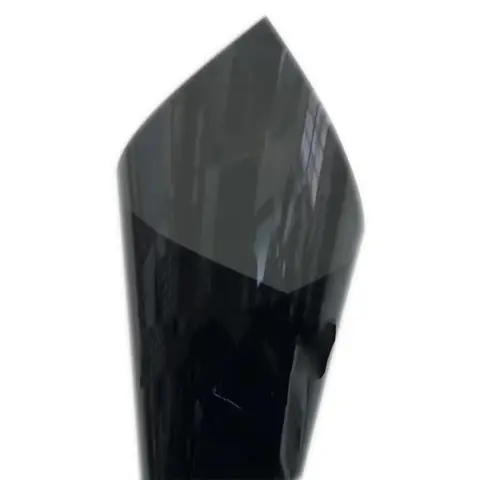
- "Regular tint" usually means dyed film: it reduces glare and adds privacy but rejects relatively little heat and can fade or turn purple over time.
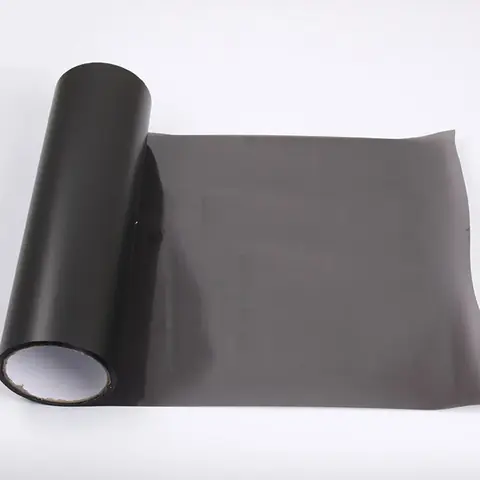
- Carbon tint uses carbon particles for a stable matte-black look and better heat rejection than dyed film, with no signal interference.
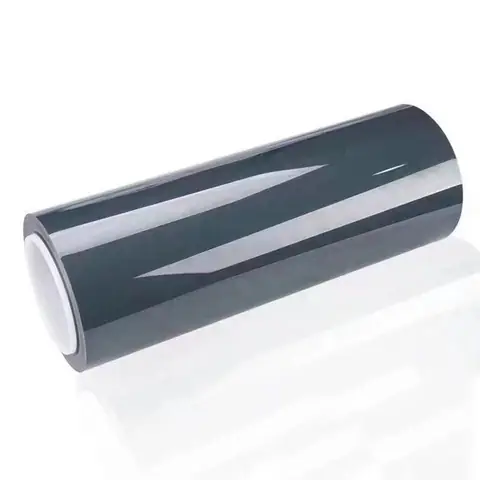
- Ceramic tint uses non-conductive ceramic particles to block much of the infrared (heat) spectrum, even in lighter shades.
- Nano ceramic is mainly a marketing term for ceramic film with very fine particles; compare data sheets, not names.
- Darkness (VLT) and heat rejection are separate: a light ceramic film can keep a car cooler than a dark dyed film.
Types of window tint film for cars
When people search "types of tinted glass for cars," they usually mean aftermarket film, not factory glass. Factory "privacy glass" on rear windows is tinted in the glass itself and typically does little against infrared heat. Aftermarket films fall into four main groups:
| Film type | How it works | Heat rejection | Color stability | Signal interference | Relative cost |
|---|---|---|---|---|---|
| Dyed | Dye layer absorbs visible light | Low | Can fade over years | None | Lowest |
| Metalized | Metal layer reflects heat | Medium | Good | Can affect phone, GPS, radio | Low to medium |
| Carbon | Carbon particles absorb light and some infrared | Medium | Very good | None | Medium |
| Ceramic / nano ceramic | Ceramic particles block much of the infrared | High | Very good | None | Highest |
Exact performance varies by product and shade. Always compare total solar energy rejected (TSER) and infrared rejection (IRR) figures from the film's own data sheet, measured the same way.
Difference between ceramic tint and regular tint
The difference between ceramic and regular tint comes down to what each film blocks.
- Dyed (regular) tint absorbs visible light. The glass looks darker and glare drops, but much of the infrared heat still passes through or is absorbed and radiated into the cabin.
- Ceramic tint targets infrared light, which carries a large share of the sun's heat. It can keep a cabin noticeably cooler without needing a very dark shade.
Durability differs too. Dyed films can fade, discolor or turn purple after years of sun, while carbon and ceramic films hold their color much longer. Both carbon and ceramic are non-metallic, so neither blocks phone, GPS or keyless-entry signals the way some metalized films can.
Ceramic tint vs regular tint at night
Night visibility depends mostly on darkness (VLT), not film type. A dark dyed film and a dark ceramic film of the same VLT look similar at night. The practical advantage of ceramic is that a driver can choose a lighter shade for better night vision and still get strong heat rejection. Ceramic films also tend to have good optical clarity with low haze, which helps under street lights and headlights.
Carbon tint vs ceramic tint
Carbon vs ceramic window tint is the comparison installers face most, because both are "upgrade" films.
| Carbon tint | Ceramic tint | |
|---|---|---|
| Appearance | Deep matte black, low reflection | Neutral; available in very light to dark shades |
| Heat rejection | Moderate to good | Good to very high, especially infrared |
| Light shades | Lower heat rejection in light shades | Strong heat rejection even when light |
| Fading | Very stable | Very stable |
| Signal | No interference | No interference |
| Price | Middle | Highest |
Is carbon or ceramic tint better?
Ceramic is better for heat rejection, especially in light shades or hot, sunny climates. Carbon is a strong value choice when the customer wants a dark, matte-black look and moderate heat reduction at a lower price. Side by side at the same VLT, the films can look very similar from outside; the difference shows in how warm the cabin and seats feel after the car sits in the sun.
Nano carbon vs ceramic tint
"Nano carbon" film uses finer carbon particles for better clarity. It typically still rejects less infrared than a good ceramic film at the same shade. Hybrid carbon-ceramic films also exist and sit between the two in price and performance.
Nano ceramic tint vs ceramic tint
Nano ceramic tint vs ceramic tint is mostly a naming question. Almost all modern ceramic window films use nano-scale ceramic particles, so "nano ceramic" does not automatically mean a different or better product. What does vary is the particle loading, the number of layers and the quality of the adhesive and scratch-resistant coat. Compare:
- IRR at a stated wavelength range
- TSER (total solar energy rejected)
- UV rejection (most quality films block the vast majority of UV)
- Haze and clarity
- Warranty terms offered by the seller
Ceramic tint vs regular tint cost
Ceramic tint vs regular tint price differences vary widely by region, vehicle and shop, but a typical pattern is:
| Film | Typical price for a sedan (sides and rear) |
|---|---|
| Dyed | Roughly $100–$250 |
| Carbon | Roughly $200–$400 |
| Ceramic | Roughly $300–$600 |
| Ceramic with windshield | Roughly $500–$900+ |
Larger vehicles, curved rear glass, removal of old film and premium warranty films all push prices up. For most drivers in hot climates, ceramic film's comfort benefit justifies the extra cost; in mild climates, carbon is often enough.
Different types of tint percentages
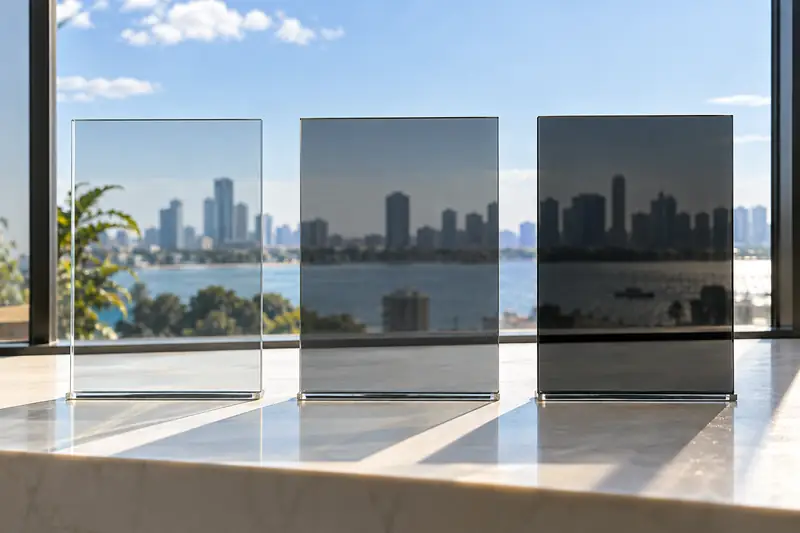
Tint percentage means visible light transmission (VLT): the share of visible light that passes through the glass and film. Common film shades are around 5%, 15–20%, 30–35%, 50% and 70%. Lower numbers are darker. Final VLT on the car is lower than the film's number alone, because factory glass also blocks some light.
Legal limits for front side windows, rear windows and windshields vary by country and state, and many places also limit reflectivity. Check local rules before choosing a shade. Our window tint VLT guide explains how to measure and choose percentages.
What type of window tint is best for cars?
For most drivers, ceramic tint is the best overall window tint for cars: strong heat and UV rejection, stable color, no signal problems and good night visibility in lighter shades. Carbon is a good value pick when budget matters and a dark look is the goal. Dyed film makes sense mainly for budget jobs or short-term ownership.
A simple way to recommend film:
- Ask about climate and parking. Hot sun and outdoor parking favor ceramic.
- Confirm legal VLT for each window.
- Ask about appearance. Matte black look favors carbon; light or near-clear favors ceramic.
- Show samples with a heat lamp so the customer feels the difference.
- Match the budget and explain the warranty.
Stocking tint film for your shop
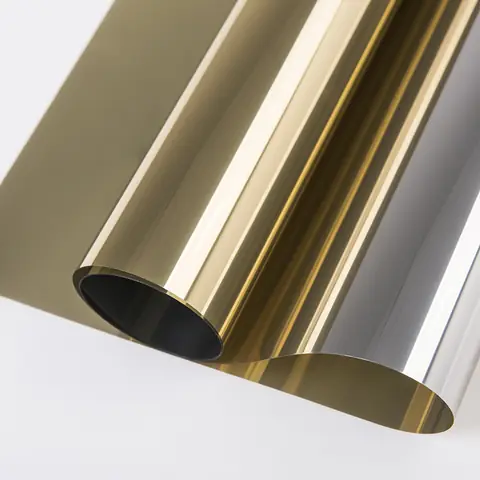
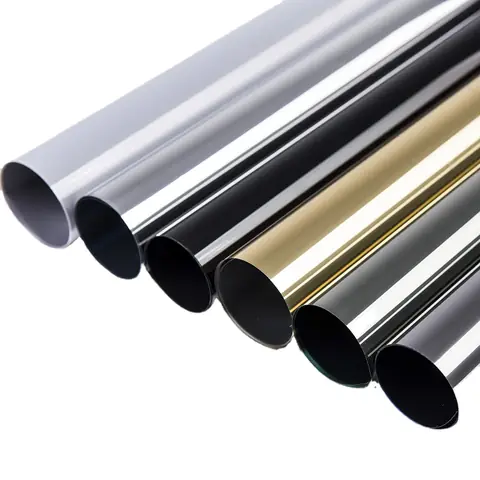
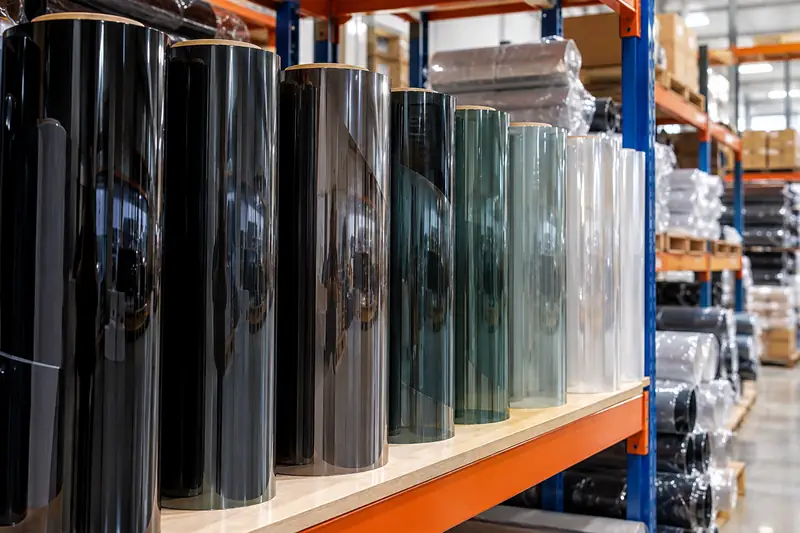
Many shops keep one dyed or carbon line for price-driven jobs and one ceramic line in the main legal shades. Mars Decorative Film produces window and light tint film in standard 1.52 m width alongside its wrap and PPF ranges, and every roll is batch-numbered so installers can trace stock. Browse the tint film range or request free samples to compare films on your own glass. Distributors sourcing overseas can also read our guide to importing film from China.
Frequently asked questions
Is carbon or ceramic tint better?
Ceramic is better for heat rejection, especially in lighter shades and hot climates. Carbon is a good value choice for a dark matte look with moderate heat reduction, and neither interferes with phone or GPS signals.
Is ceramic tint worth it over regular tint?
In hot, sunny climates, usually yes. Ceramic film rejects much more infrared heat than dyed film and holds its color longer, so the cabin stays cooler and the film looks good for longer.
Is nano ceramic tint better than ceramic tint?
Not automatically. Most ceramic films use nano-scale particles, so the name alone tells you little. Compare infrared rejection, total solar energy rejected and clarity on each film's data sheet.
Does ceramic tint look different from regular tint?
At the same VLT they can look similar from outside. Ceramic is often slightly more neutral in color and holds that color over time, while dyed film can fade or shift toward purple after years of sun.
Is ceramic tint better at night?
Night visibility depends mainly on how dark the film is. Ceramic helps because you can pick a lighter, more legal shade and still get strong heat rejection, and quality ceramic films have low haze.
What type of window tint is best for cars?
For most drivers, ceramic tint offers the best balance of heat rejection, clarity, durability and signal-friendly performance. Choose the darkness based on local law and the driver's comfort with night visibility.
Can you put ceramic tint over factory privacy glass?
Yes. Factory privacy glass is tinted in the glass and usually blocks little infrared heat, so a light ceramic film adds heat rejection. Check that the combined darkness still meets local rules.