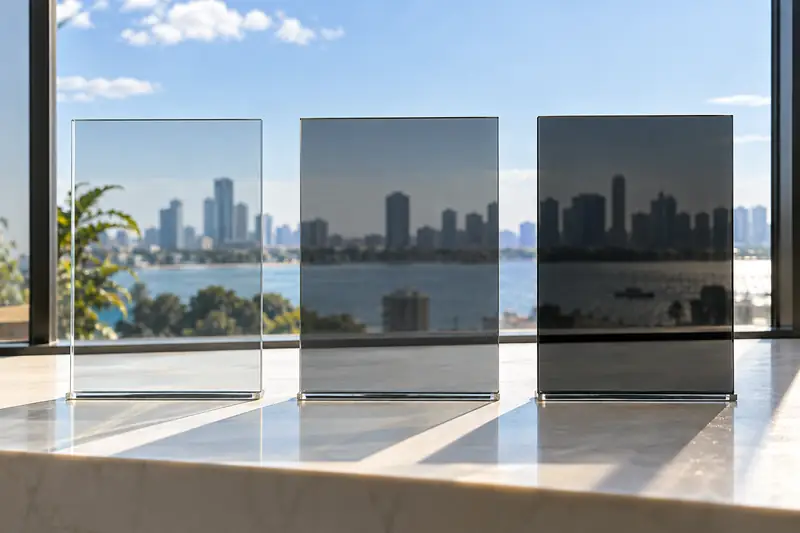
Window tint · 8 min read
Ceramic tint explained: what it does and is it worth it?
Ceramic tint explained for shops and car owners: how nano ceramic window film blocks heat and UV, how it compares to regular tint, shades and cost.
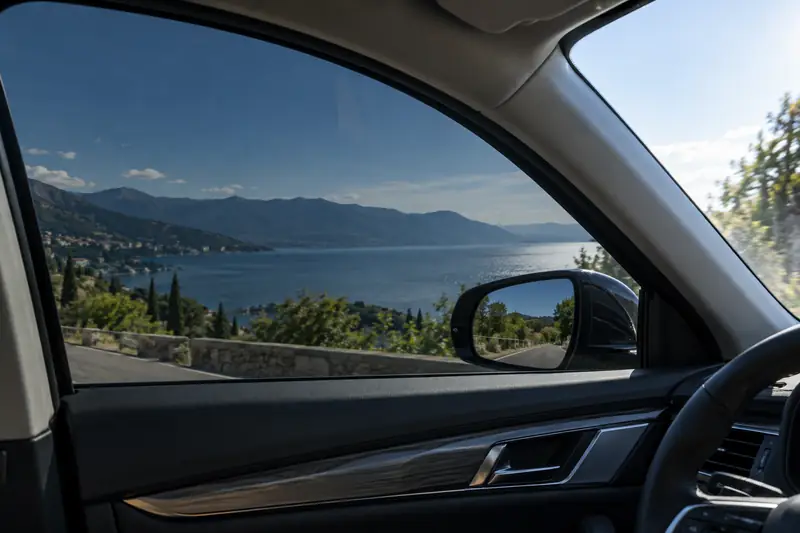
Short answer: Ceramic tint is window film loaded with non-conductive nano ceramic particles that absorb and reflect infrared heat while letting visible light through. It typically rejects more heat than dyed or carbon film at the same shade, blocks most UV, does not fade purple and does not interfere with phone, GPS or radio signals.
Ceramic tint is the film most shops now lead with when a customer asks for "the good stuff." It promises more heat rejection without a darker look, no signal interference and no purple fade. This guide explains what nano ceramic window film actually does, how it compares to regular tint, which shades sell, and when it is worth the extra money, written for tint installers and distributors as well as drivers comparing quotes.
Key takeaways
- Ceramic window tint uses non-conductive nano ceramic particles that target infrared (heat) rather than relying only on darkness.
- At the same VLT (visible light transmission), a quality ceramic film typically rejects noticeably more heat than dyed film, and usually more than carbon film.
- Most quality tint films, ceramic included, typically block 99% or more of UV; the real difference between grades is infrared and total solar energy rejection.
- Ceramic tint is not automatically darker. Darkness is set by the VLT percentage you choose, not by the technology.
- Legal VLT limits vary by country and state, especially for front side windows and windshields. Always check local rules before installing.
What does ceramic tint do?
Regular window film controls glare and heat mainly by being dark: dye absorbs light, the glass warms up and some of that heat still reaches the cabin. Nano ceramic tint adds a layer of microscopic ceramic particles, usually metal oxides or nitrides, dispersed in the film's coating. These particles are selective. They absorb and reflect a large share of infrared radiation, the part of sunlight you feel as heat on your skin, while letting much more visible light through.
That selectivity is why a fairly light ceramic film can feel cooler than a darker dyed film. Because the particles are non-metallic and non-conductive, ceramic film does not block mobile, GPS, toll-tag or keyless-entry signals the way older metallized films sometimes did.
Does ceramic tint block heat?
Yes. Blocking heat is the main reason to buy it. When comparing products, look at three numbers on the data sheet:
- IRR (infrared rejection): how much infrared the film blocks, often quoted at a specific wavelength range. Useful, but easy to market selectively.
- TSER (total solar energy rejected): the share of all solar energy (UV, visible and infrared) kept out. This is the most honest single number for comparing films.
- VLT: how much visible light passes through. Lower VLT means darker glass.
A ceramic film with a high IRR but a modest TSER is still a good film, but compare TSER to TSER when quoting customers.
Does ceramic tint block UV rays?
Most quality window films, including many dyed and carbon films, typically block 99% or more of UV-A and UV-B. Ceramic tint does as well, and in a quality film that UV protection, which comes from UV absorbers in the film, typically stays stable over its service life. UV blocking protects skin and slows fading and cracking of the dashboard and seats.
Ceramic tint vs regular tint
"Regular" tint usually means dyed film or, in the middle tier, carbon film. Here is how the three typically compare at the same shade:
| Dyed film | Nano carbon tint | Nano ceramic tint | |
|---|---|---|---|
| How it controls heat | Absorbs light with dye | Carbon particles absorb light and some infrared | Ceramic particles absorb and reflect infrared |
| Heat rejection at same VLT | Lowest | Medium | Highest |
| UV blocking | Typically 99%+ | Typically 99%+ | Typically 99%+ |
| Color stability | Can fade or turn purple over years | Stable, matte black tone | Stable, neutral tone |
| Signal interference | None | None | None |
| Clarity at night | Good | Good | Very good |
| Relative price | Lowest | Middle | Highest |
For a deeper look at the three technologies, see our guide to ceramic vs carbon vs dyed tint.
Is carbon tint darker than ceramic?
Not inherently. A 20% carbon film and a 20% ceramic film let roughly the same amount of visible light through. Carbon film often has a deeper, flatter black look, while many ceramic films look a little more neutral or slightly blue-grey from outside. If a customer says ceramic "looks lighter," they are usually comparing different VLT shades or different brands' color tones.
Is ceramic tint darker?
No. Ceramic is a technology, not a shade. You can buy ceramic window tint film from very light, nearly clear grades up to limo-dark 5%. A light ceramic film is popular precisely because it gives heat rejection without a dark look.
What does ceramic tint look like?
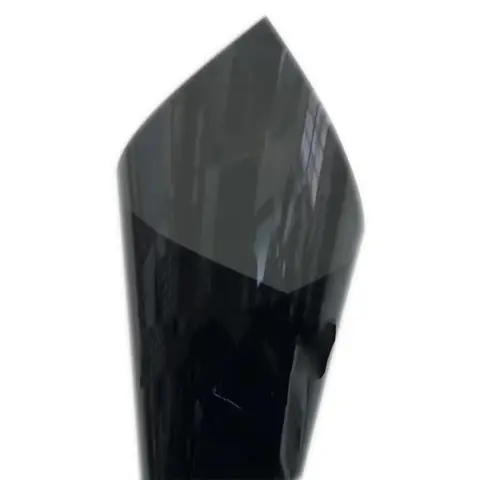
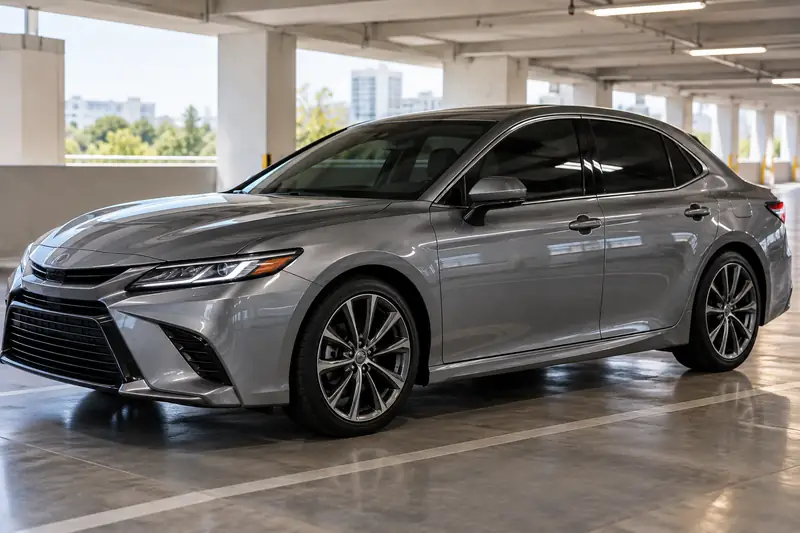
From inside the car, good ceramic film looks clean and neutral, with less haze than cheap dyed film and no mirror effect. From outside, it looks like ordinary tint at the chosen shade. Some lines are "reflective ceramic tint" or hybrid films with a slight sheen that adds heat rejection; check local rules, because some markets limit reflectivity on vehicle glass as well as darkness.
Ceramic tint percentages: which shade to choose
Tint shades are named by VLT. A "5 ceramic tint" lets about 5% of visible light through, while a 70% film is nearly clear. Common choices:
| Shade (VLT) | Typical use | Notes |
|---|---|---|
| 5% | Rear windows, limo look, privacy | Very dark at night; often not legal on front side windows |
| 15–20% | Rear windows, privacy with some visibility | 20 ceramic window tint is a common rear choice |
| 30–35% | Front sides in many markets, full-car even look | 35 ceramic window tint is a popular all-round shade |
| 50% | Light look with good heat rejection | Popular with drivers who dislike dark glass |
| 70–80% (clear ceramic) | Windshields where permitted, sunroofs | Heat rejection with almost no visible tint |
Legal limits vary by country and state, and often differ between front side, rear side, rear window and windshield. Never quote a shade without checking the rules where the car is registered. Our window tint VLT guide explains how VLT combines with factory glass.
Ceramic windshield tint and clear ceramic tint
Windshields take a lot of solar load, so a clear or very light ceramic windshield tint is one of the most effective single upgrades for cabin comfort. Many places restrict windshield film to a top strip or to very high VLT grades, so treat this as "where permitted." Clear ceramic film is also useful on sunroofs and panoramic glass roofs.
Is ceramic tint worth it?
For most drivers in warm or sunny climates, yes. The value shows up in three places:
- Comfort: a cooler cabin after parking in the sun and less heat on your arms while driving.
- Longevity: ceramic film does not rely on dye, so it typically holds its color instead of fading or turning purple.
- Choice of shade: you can pick a lighter, legal shade and still get serious heat rejection.
It is less compelling for a car that lives in a garage in a cool climate, or for an owner who only wants privacy on the rear glass. In those cases a good carbon film may be the better value.
How much does ceramic tint cost?
Installed prices vary widely by region, vehicle, number of windows and film grade. In many US markets, a full sedan in ceramic film typically lands somewhere around $250–$800, with premium ceramic lines and windshields adding to that. Dyed film is usually the cheapest option and carbon sits in between. For shops, the margin comes from the labor and warranty you stand behind, so stock a grade you trust.
Is nano ceramic tint good, and does it really work?
When the film is a genuine nano ceramic construction from a consistent supplier, yes. The weak point in the market is mislabeled film: dyed or carbon film sold as "ceramic." An infrared heat lamp and a simple IR meter make a quick demo for customers and a quick check for buyers comparing samples.
Buying ceramic tint rolls for your shop
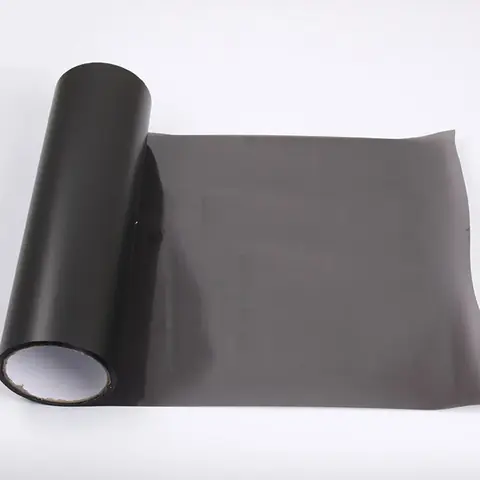
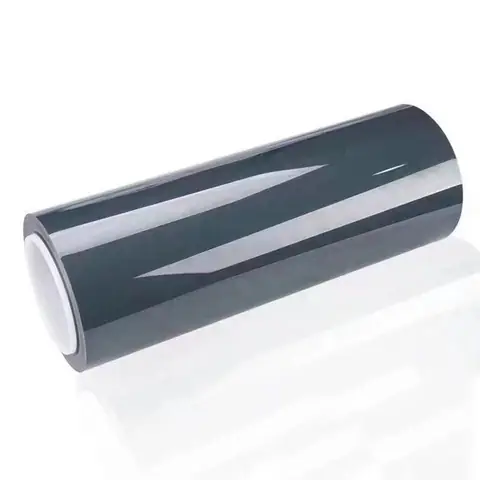
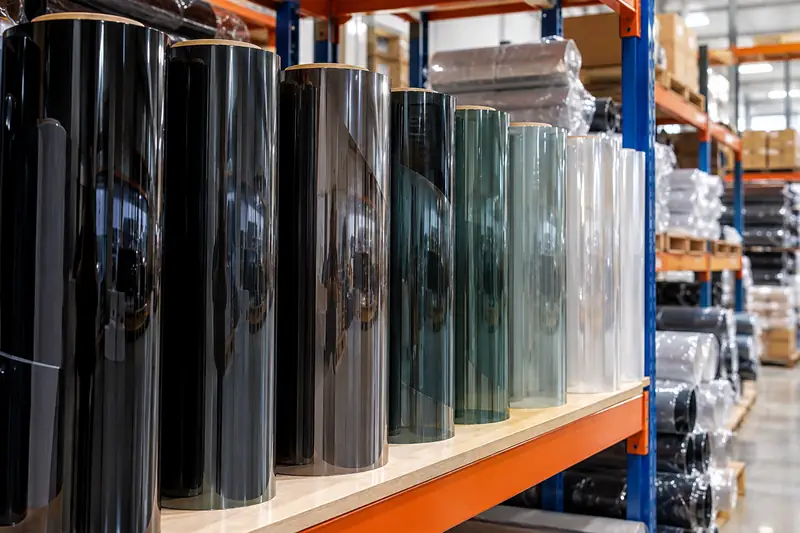
Ceramic tint roll pricing depends on construction, shade and width. Shops typically keep a few core shades (5%, 20%, 35%, 50% and a clear ceramic) in full-width rolls and cut computer patterns or hand-trim from there. At Mars Decorative Film every tint roll is batch-numbered and inspected before release, so a shop can reorder the same shade and expect a consistent tone across the car.
Browse our window and light tint film range, compare wholesale options in our guide to window tint rolls, or request free samples to test heat rejection side by side with your current film.
Frequently asked questions
Is ceramic tint better than regular tint?
For heat rejection, color stability and clarity, ceramic tint is generally better than dyed film and usually better than carbon film at the same shade. Regular tint can still be a sensible choice for budget jobs or privacy-only rear windows. The right answer depends on climate, budget and what the customer values.
Why is ceramic tint better?
Its ceramic particles target infrared heat instead of relying only on darkness. That lets a lighter film keep the cabin cooler, and because there is no dye to break down, the film typically keeps its color for longer.
Does ceramic tint reduce heat in the car?
Yes. A quality ceramic film reduces the solar heat that comes through the glass, so the cabin heats up more slowly in sun and the air conditioning has less work to do. Results depend on shade, glass type and how many windows are filmed.
Does ceramic tint interfere with phone or GPS signals?
No. Nano ceramic particles are non-conductive, so ceramic film does not block mobile, GPS, radio or keyless-entry signals. That was a known issue with some older metallized films.
Is ceramic tint good for windshields?
A clear or very light ceramic film is one of the most effective ways to cut heat through the windshield. Windshield tint rules are strict in many places, so check local law first and stick to permitted grades or strips.
What is the difference between ceramic tint and ceramic coating?
Ceramic tint is a film applied to the inside of the glass to control heat and light. A ceramic coating is a liquid applied to paint, film or glass exteriors to make them easier to clean. They share a word but do different jobs.
How long does ceramic window tint last?
Quality ceramic tint is typically expected to last many years without fading, because there is no dye to break down. Actual life depends on the film grade, climate and how the glass is cleaned; check the warranty terms of the specific product.