Window tint · 9 min read
Window tint percentages and windshield tint: 5% to 70% VLT explained
What 5%, 15%, 20%, 35%, 50% and 70% tint look like on a car, how tint percentages work, and when front windshield tint or a visor strip makes sense.
Short answer: Tint percentage is VLT, the share of visible light the window lets through: 5% is limo-dark, 20% gives strong privacy, 35% is a common balance and 50–70% looks nearly clear. Windshield tint is usually a light, high-IR film or a top visor strip, and the legal limits vary by country and state.
Window film is sold by its VLT number, but buyers and car owners care about how dark it looks, how much heat it blocks and whether a shade like 20% or a windshield tint is allowed where they drive. This guide translates tint percentages into what you actually see from inside and outside the car, and explains how installers approach front windshield tint, visor strips and shade choices for each window.
Key takeaways
- Tint percentage means VLT (visible light transmission): the lower the number, the darker the window. 5% is the darkest common shade; 70% is nearly clear.
- The final darkness is film plus glass. Factory glass already blocks some light, so a 35% film on lightly tinted glass reads darker than 35%.
- Heat reduction depends mostly on infrared (IR) rejection, not darkness. A light ceramic film can outperform a dark dyed film.
- Front windshield tint is usually a light film (often 70% or lighter) or a top visor strip; full dark windshields are restricted in most markets.
- Tint laws vary by country, state and window position. Always check the current local rules before choosing a shade.
What does tint percentage mean?
Tint percentage is the VLT of the window: the share of visible light that passes through. A 20% film lets about one-fifth of the light through; a 70% film lets most of it through.
How do tint percentages work with factory glass?
The film and the glass work together. To estimate the combined VLT, multiply the two values. A 70% film on glass that transmits about 80% gives roughly 56% overall, which is why a "light" windshield film can end up darker than expected. Rear windows on many SUVs and vans already have darker privacy glass, so even a medium film turns them very dark. A meter reading after installation is the reliable number, and it is what an inspector would measure.
Car window tint shades at a glance
The table below describes common car tint shades in daylight. Appearance shifts with interior color, glass shape and lighting, so always show customers real samples on glass.
| VLT | Look from outside (daytime) | View from inside at night | Typical use |
|---|---|---|---|
| 5% | Near black, interior hidden | Very limited; hard to reverse in the dark | Rear windows and limousines where permitted |
| 10% | Very dark, faint shapes visible close up | Limited | Rear windows where permitted |
| 15% | Dark, strong privacy | Reduced, manageable with good lighting | Rear sides and rear window |
| 20% | Dark, outlines of occupants just visible | Noticeably darker than untinted | Rear sides; sometimes "20 tint all around" where allowed |
| 35% | Medium, clearly tinted but see-through | Close to normal | Front and rear sides where permitted |
| 50% | Light, reduces glare | Near normal | Front sides, sunroofs, some windshields |
| 70% | Nearly clear | Normal | Windshields and front sides, mainly for heat and UV |
What 5% and 10% tint look like
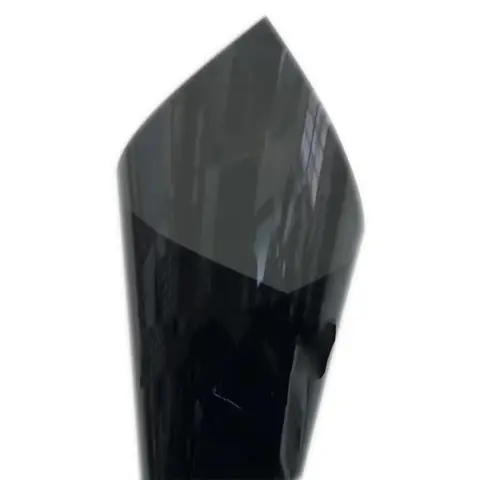
At 5%, the windows look almost black from outside and the cabin is hidden in daylight. This is the shade often called limo tint, and installers who do a lot of rear glass on SUVs and limousines buy it as a separate limo tint roll. From inside, daytime visibility is acceptable, but night driving and reversing are noticeably harder.
Is 5 percent tint illegal?
It depends entirely on where the car is registered and which window it goes on. Many jurisdictions do not allow 5% on front side windows or the windshield, while some permit very dark film on rear windows of certain vehicles. Check the local rules for each window position before installing.
10 percent tint sits just above limo tint: still very private, with a slightly softer look in bright sun.
15 percent tint on a car
15 percent window tint is a popular choice for rear sides and rear windows when privacy matters. From outside, the interior is mostly hidden unless someone is close to the glass. Inside, it cuts glare strongly. On cars with factory privacy glass at the rear, 15% film may be unnecessary; a lighter IR film can add heat rejection without making the rear too dark to see through at night.
20 percent tint: how dark is it?
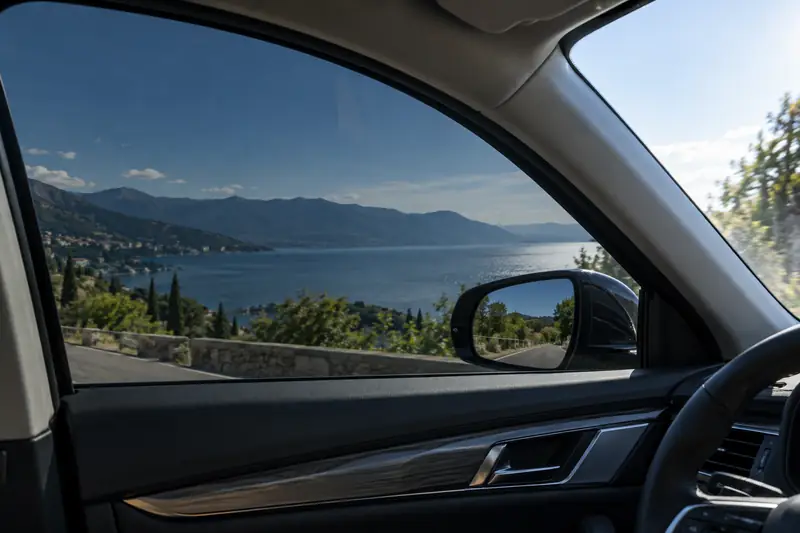
20 percent tint is dark. On a car in daylight you can usually make out the outline of a driver or passenger, but not details. Inside, the view is clear in daytime and darker at night, though most drivers adapt with good headlights and mirrors.
What does 20 tint look like on a car?
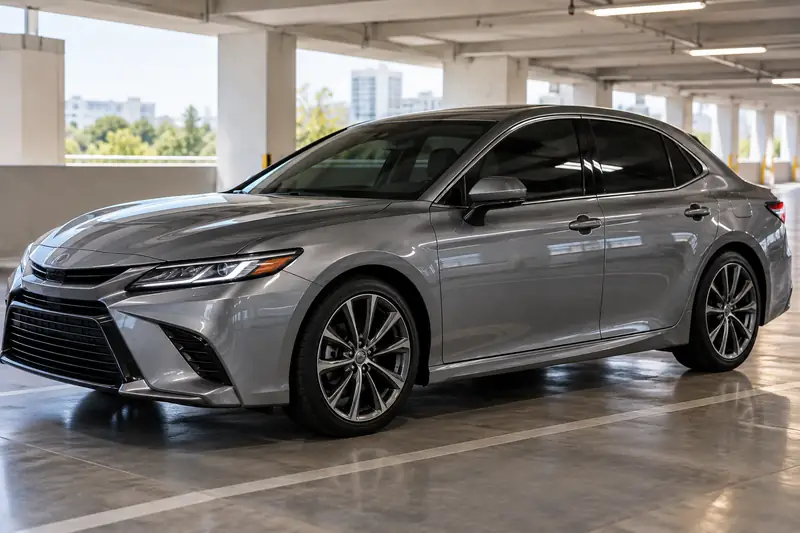
On a light-colored car, 20% windows create a strong contrast that reads as "fully tinted." On black or dark grey cars the windows blend into the body. A 20 percent VLT tint on the rear with a lighter shade on the front sides is a common combination.
20 tint all around
Some owners ask for 20% on every side window and the rear glass. Whether that is allowed depends on local front-side limits, which are often lighter than rear limits. Where the front sides must be lighter, a matched look can be achieved with a lighter film that has a similar neutral color tone.
35 percent tint
35% is clearly tinted from outside but you can still see into the car. It is a common balance of privacy, glare reduction and night visibility. It is also a shade people ask about for windshields; a 35 percent windshield tint is darker than most markets allow on that glass, so it is more often used on side windows.
What does 50 tint look like?
50 tint on windows looks lightly shaded, a bit like good sunglasses. From outside you can easily see occupants. Inside, glare drops and night visibility stays close to normal.
50 percent windshield tint
A 50 front windshield tint is darker than many owners expect, especially once factory glass is factored in. Where it is allowed, it reduces glare noticeably. Many installers steer customers toward a lighter film with strong IR rejection instead, so the cabin stays cool without making the windshield noticeably dark.
What does 70 tint look like on a car?
70 percent tint looks almost clear. Most people would not notice it unless they compare it with an untinted window. That is the point: 70 percent window tint is chosen for heat and UV control, not privacy.
How dark is 70 tint?
Very light. The combined VLT with factory glass is typically somewhere around the mid-50s to mid-60s, depending on the glass. A 70 windshield tint in a ceramic or other IR-rejecting construction is one of the most common ways to cut cabin heat without changing the look of the car. See our ceramic window tint guide for how these films reject heat.
Windshield tint: can you tint the front windshield?
Yes, the front windshield can be tinted, but how dark and how much of it depends on local rules. Installers usually offer two options.
Visor strip (sun strip)
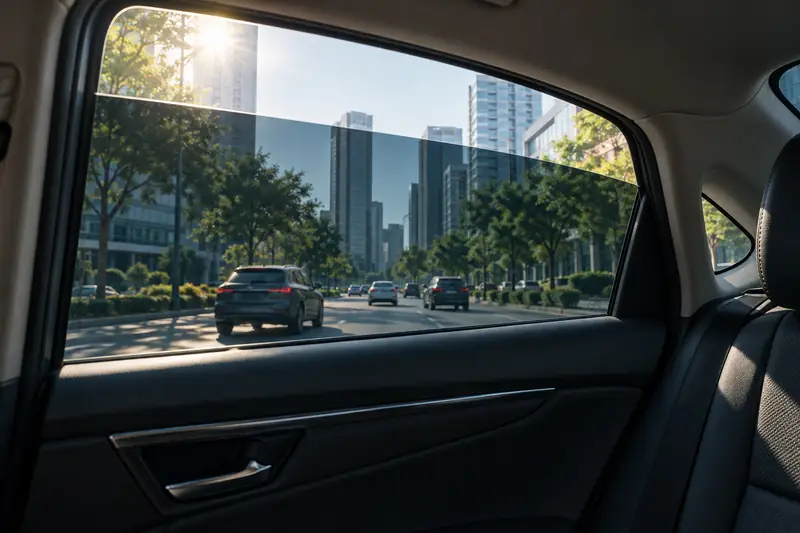
A visor strip is a band of film across the top of the windshield. It cuts glare from a low sun and is often darker than the rest of the glass. Many markets allow a strip above a certain line on the glass, often marked on the windshield itself, but the allowed depth and darkness vary.
Full front windshield tint
Full front windshield window tint covers the whole glass with a light film. The usual choices are 70% or lighter, sometimes 50% where permitted. Good windshield films are optically clear, with low haze and low distortion.
Non reflective windshield tint
Mirror-like and highly reflective films are restricted in many places and can cause glare for other drivers. For windshields, a non reflective windshield tint (dyed, carbon or ceramic) is the safe recommendation. Ceramic and other nano-ceramic films reject IR without metal layers, so they do not interfere with phone signals, toll tags or GPS.
Installation notes for windshields
The windshield is the hardest window to tint. The glass is large and curved, so film is heat-shrunk on the outside of the glass before it is installed on the inside. The dot-matrix border, rain sensors and camera housings need care. Leave sensor areas clear if the vehicle manufacturer recommends it. For a full walkthrough of the process, read how to tint car windows.
A tint film is not stone-chip protection. For chips and cracks, look at windshield protection film, a different product.
UV and IR rejection
- UV rejection protects skin and interiors. Quality films block the large majority of UV regardless of shade.
- IR rejection reduces heat. A light film with high IR rejection can keep a cabin cooler than a dark film without it.
- TSER (total solar energy rejected) combines visible, UV and IR performance. Compare TSER between films of the same VLT.
Film construction matters more than shade for heat. Dyed films are economical, carbon films add color stability, and ceramic films typically offer the highest IR rejection at a given VLT. Our ceramic vs carbon vs dyed tint comparison covers the differences.
Legal limits
Tint laws differ between countries, states and window positions, and sometimes by vehicle type. Most places treat the windshield and front side windows more strictly than the rear. Some also regulate reflectivity and film color. Always check the current regulations where the car is registered before recommending a shade, measure the finished VLT, and keep the film's VLT documentation for the customer.
Choosing shades for each window
For daily drivers, many installers recommend a lighter, high-IR film at the front for visibility and a darker shade at the rear for privacy.
| Window | Common choice | Why |
|---|---|---|
| Windshield | 70% or lighter IR film, or a visor strip | Heat and glare control without reducing visibility |
| Front sides | 35–50%, subject to local rules | Visibility, especially at night and when reversing |
| Rear sides | 15–20% | Privacy for passengers and cargo |
| Rear window | 15–20%, or lighter on privacy glass | Privacy while keeping rear-view usable |
| Sunroof | 5–20% | Glare and heat from above |
Buying tint film for your shop
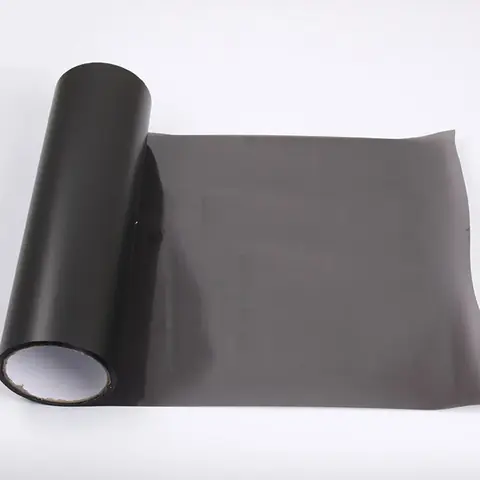
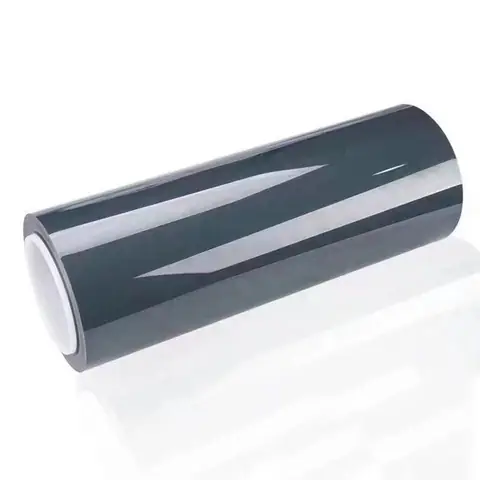
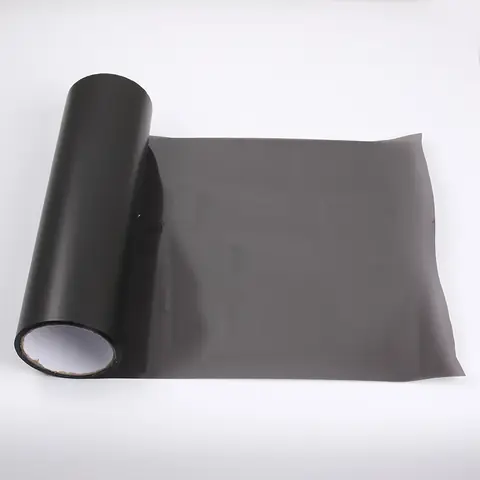
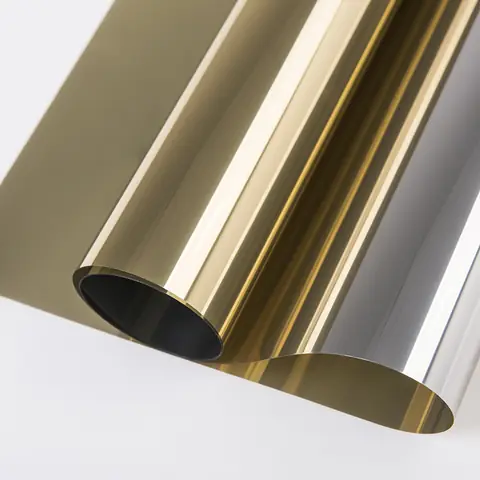
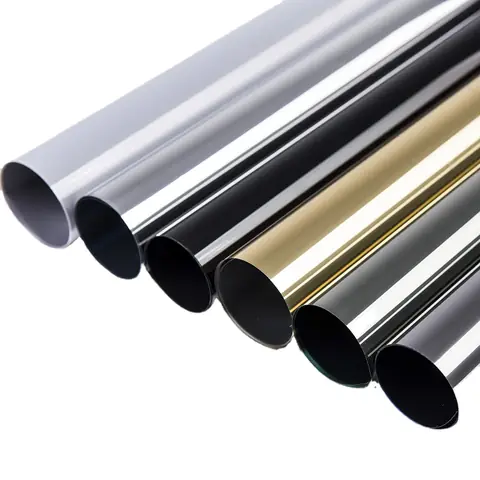
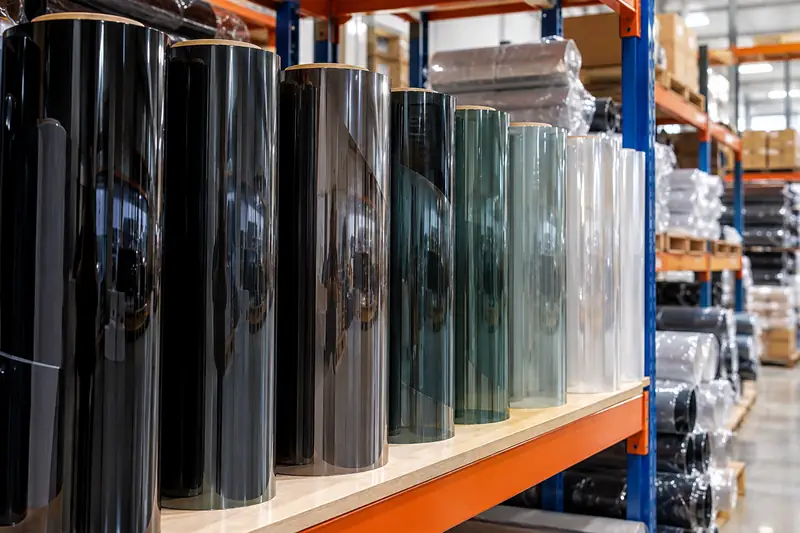
Mars Decorative Film supplies window and light tint film in standard 1.52 m (5 ft) wide rolls, with each roll batch-numbered so shades stay consistent across reorders. Explore our window and light tint films or request free samples to compare shades on real glass.
Frequently asked questions
What does tint percentage mean?
It is the VLT, the percentage of visible light the window lets through. A 20% tint lets about 20% of light through; a 70% tint lets about 70% through. The combined value with factory glass is always a bit lower than the film alone.
Can you tint the front windshield?
Yes. Most installers offer a top visor strip or a light, full-coverage film, often 70% or lighter. How dark the windshield may be, and how deep a strip can go, depends on local law, so check the rules before installing.
What does 20 percent tint look like?
It looks dark from outside. In daylight you can see the outline of people inside but not details, while the view from inside stays clear. At night it is noticeably darker than untinted glass.
What does 70 tint look like on a car?
It looks nearly clear and most people will not notice it. It is chosen for heat and UV rejection rather than privacy, which is why it is popular for windshields.
How dark is 50 tint?
50% is a light shade that cuts glare like sunglasses while keeping occupants visible. Combined with factory glass, the final reading is usually somewhat below 50%.
Is 5 percent tint illegal?
In many places 5% is not allowed on the windshield or front side windows, while rear windows may have looser rules. It varies by country and state, so check local regulations for each window position.
What is the most popular tint percentage?
Around 35% is a common balance of privacy and visibility where it is legal, with rear windows often darker at 15–20%. Windshields usually get 70% or a visor strip.