Signage & printable · 8 min read
Vinyl cutter and sign vinyl guide: machines, materials and use
How a vinyl cutter works, which cutting machine fits your shop, and which adhesive vinyl to use for signs, decals and outdoor graphics that last.
Short answer: A vinyl cutter is a computer-controlled plotter that drives a small blade through self-adhesive vinyl without cutting the liner, so letters and shapes can be weeded and transferred. Desktop machines suit hobby sheets; roll-fed plotters from about 60 cm to 1.6 m wide suit sign shops cutting permanent outdoor vinyl from rolls.
A vinyl cutter turns a vector file into letters, logos and shapes cut from self-adhesive film. It is the core machine of most sign shops, and the right pairing of cutter and vinyl material decides whether a decal peels in a season or lasts for years. This guide is for sign makers, wrap shops adding lettering, and serious makers moving from hobby sheets to rolls.
Key takeaways
- A vinyl cutter, or vinyl plotter, moves a small drag blade across the film to "kiss cut" the vinyl while leaving the liner intact.
- Desktop cutters typically handle sheets and narrow rolls of about 30 cm (12 in). Professional roll-fed plotters range from about 60 cm to 1.6 m wide.
- Permanent vinyl typically uses a strong acrylic adhesive and is waterproof once applied and bonded. Removable vinyl is designed to peel off cleanly later.
- Calendered vinyl suits flat signs and short-to-mid-term graphics. Cast vinyl suits curves, rivets and long outdoor life.
- Most vinyl signage work follows the same flow: cut, weed, apply transfer tape, install.
How does a vinyl cutter work?
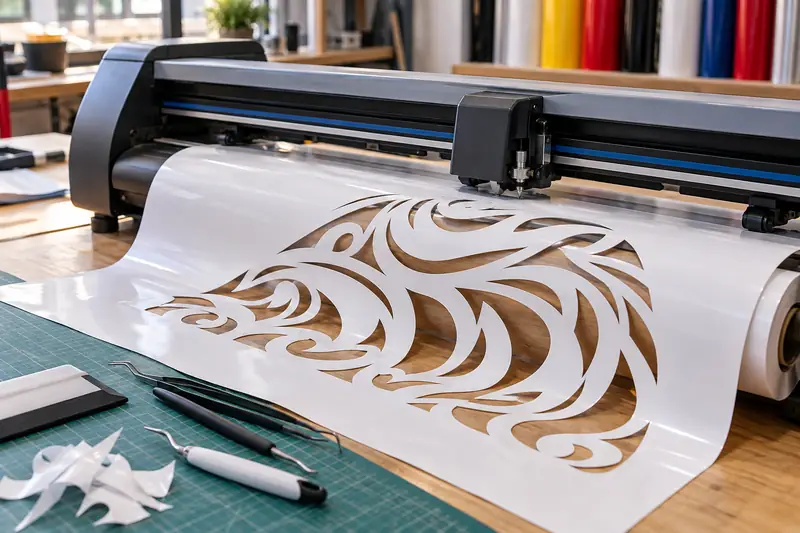
A vinyl cutting machine is a plotter with a blade instead of a pen. The vinyl, still on its liner, is fed between pinch rollers and grit rollers. They move the material back and forth on one axis while the blade carriage moves on the other. A swivel "drag knife" follows the path, and the blade offset lets it turn sharp corners cleanly.
Cutting depth is controlled by blade force and blade extension. The goal is a kiss cut: through the face film and adhesive, just marking the liner. Too deep and the liner splits during weeding. Too shallow and letters tear.
Types of vinyl cutters
| Type | Typical width | Best for | Limits |
|---|---|---|---|
| Desktop / hobby cutter | About 30 cm (12 in) | Small decals, sheets, short runs | Narrow; slower on long jobs; limited roll tracking |
| Roll-fed vinyl plotter | About 60–135 cm (24–54 in) | Sign shops, lettering, vehicle graphics | Needs floor space and setup |
| Wide roll-fed plotter | Up to about 1.6 m (64 in) | Full-width 1.52 m rolls, large graphics | Higher cost |
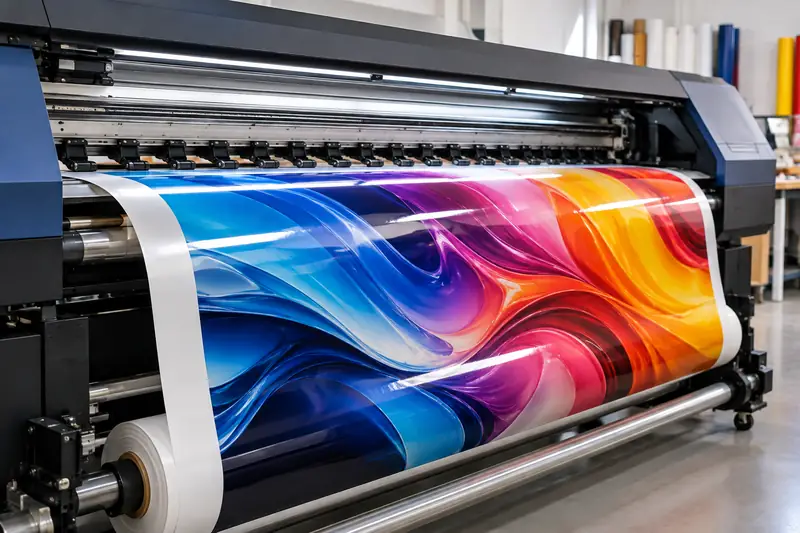
| Print-and-cut / contour cutter | Varies | Printed decals and stickers cut around the print | Needs optical registration marks |
For a professional shop, the main differences between cutters are tracking accuracy over long lengths, maximum blade force, optical sensors for contour cutting, and software support. The best vinyl cutting machine for you is the one that tracks straight over the longest job you sell, and that works with the design software you already use.
Which vinyl material should you cut?
Most cutting work uses self adhesive vinyl: a PVC face film, an adhesive, and a silicone-coated release liner. The main choices are adhesive type, film type and finish.
Permanent vs removable adhesive vinyl
- Permanent adhesive vinyl uses a strong acrylic adhesive that builds bond over a day or two. Use it for outdoor signs, vehicle lettering, mailboxes, boats and anything washed often.
- Removable vinyl has a lower-tack adhesive meant to peel off cleanly, within the time the data sheet states. Use it for window graphics, promotions, wall decals and short-term signage.
"Permanent" means durable, not impossible to remove. Most permanent vinyl can still come off later with heat and an adhesive remover.
Calendered vs cast vinyl
Calendered vinyl is made by pressing PVC through heated rollers. It is economical and stable on flat surfaces, and the standard for most vinyl signs, windows and flat panels. Cast vinyl is poured as a liquid and cured, which makes it thinner, more conformable and less prone to shrinking. It is the right call for vehicle graphics over curves, corrugations and rivets, and for long outdoor life. The same split drives car wraps; see our TPU vs PET vs PVC car wrap film comparison for the wrap side.
Specialty cutting vinyl
- Clear vinyl. Transparent film for frosted or glass effects, overlaminate patches and protective sheets. Clear vinyl roll stock is also used to protect printed graphics.
- Reflective vinyl. Glass-bead or microprismatic films that bounce light back to the source. They are used for safety markings, fleet lettering and house numbers. They are thicker, so they often need a 60° blade and more force.
- Metallic, chrome and effect films. Decorative accent lettering. Chrome and holographic face films can be stiff, so test cut settings first.
- Outdoor vinyl vs banner vinyl. "Outdoor vinyl" here means adhesive film for rigid surfaces. Banner vinyl is a different product: a heavier, often scrim-reinforced PVC material printed and hung, not plotted.
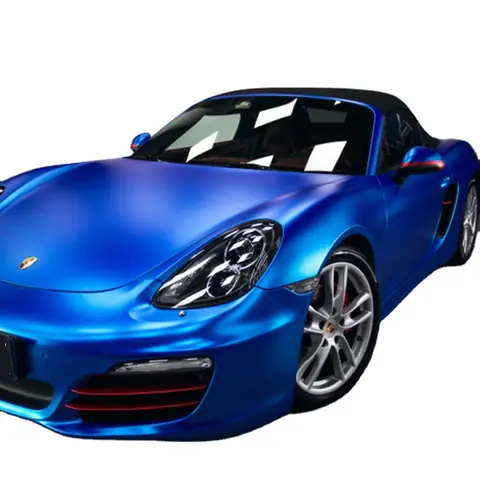
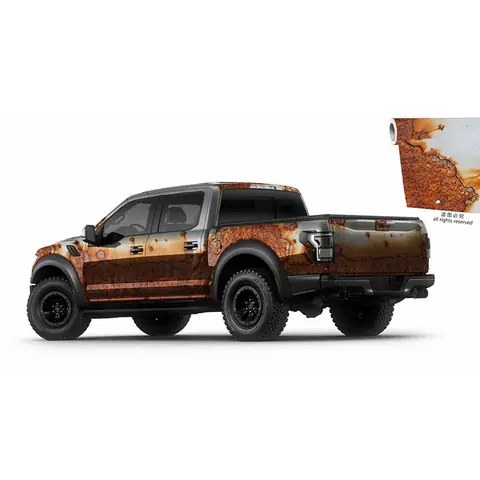
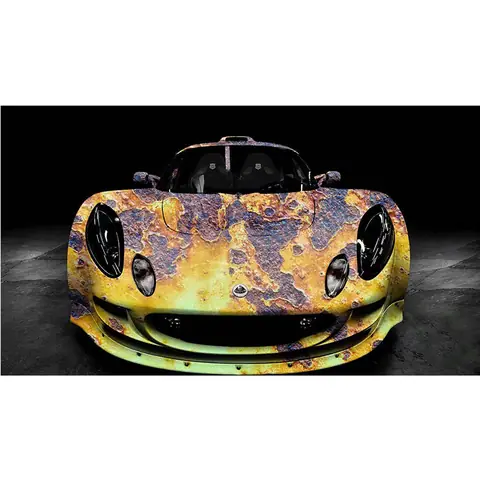
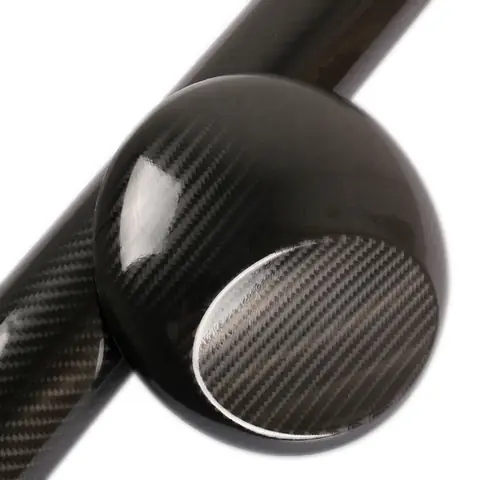
Our printable and cutting vinyl line covers solid colors and printable white films for sign work, and the printed and effect vinyl range adds chrome, carbon and patterned films for accents.
Vinyl sheets vs vinyl rolls
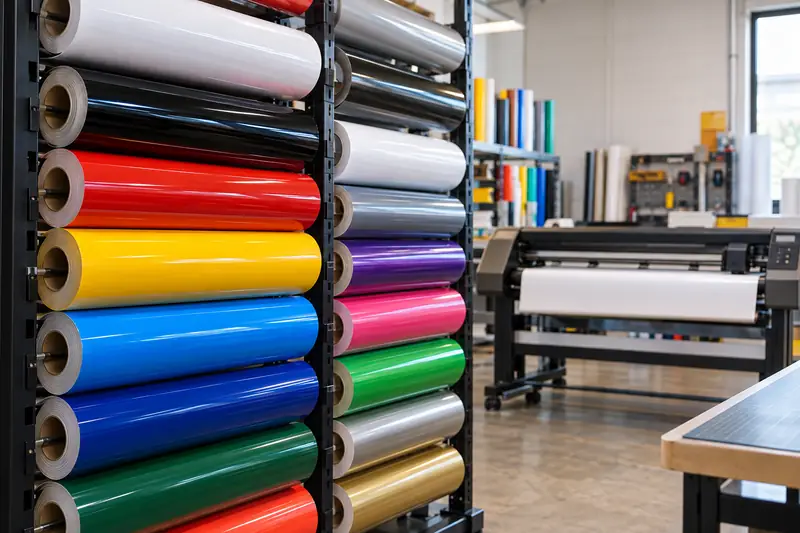
Vinyl sheets, often 30 × 30 cm (12 × 12 in), are convenient for desktop machines and small projects. They cost far more per square meter, and they limit how long a cut can be. Rolls are the choice for any business:
- Less waste, because you nest jobs along the length.
- Long lettering and stripes cut in one piece.
- Lower cost per square meter.
- Consistent color across a whole job from one batch.
Sign shops typically keep narrow rolls of 61 cm (24 in) for lettering in fast-moving colors, and full-width rolls for large graphics.
Is permanent vinyl waterproof?
Yes. Quality permanent vinyl is waterproof once applied correctly and the adhesive has had time to bond, typically 24–72 hours. The PVC face film does not absorb water, and the acrylic adhesive resists moisture. Durability depends on the grade (calendered or cast), sun exposure and how well the surface was cleaned. Edges are the weak point: lettering applied over dust, wax or a cold surface can lift and let water under. For outdoor jobs, follow the minimum application temperature on the data sheet.
How to apply permanent vinyl
These steps assume a cut and weeded design. The same flow applies to most vinyl signage.
- Clean the surface with isopropyl alcohol and a lint-free cloth. Remove wax, silicone and dust.
- Weed the design by removing excess vinyl around and inside the letters with a weeding hook.
- Apply transfer tape over the design and burnish it firmly with a squeegee. See our transfer tape guide for choosing the right tack.
- Position with hinges. For larger graphics, tape a center hinge, check level and spacing, then work one half at a time.
- Peel the liner back at a sharp angle, keeping the vinyl on the transfer tape.
- Squeegee from the center out with overlapping strokes to push out air.
- Remove the transfer tape slowly, folded back on itself at a low angle. If a letter lifts, lay it back down and burnish again.
- Let it bond. Avoid washing or heavy stress for a day or two while the adhesive builds strength.
For wet application on glass, use a light application fluid and squeegee it out thoroughly. Do not wet-apply films whose data sheet advises against it.
Cutting settings that save material
- Test cut every new roll. A small square-and-triangle test reveals the right force before you commit to a long job.
- Match the blade to the film. A 45° blade suits most standard vinyl; thicker reflective or specialty films often cut better with a 60° blade.
- Replace dull blades. Ragged edges and lifting corners in small text usually mean a worn tip.
- Mind the speed on small text. Slow down for fine detail and script fonts.
- Store rolls properly. Keep rolls horizontal or hanging, in their box, away from heat and humidity, so the liner stays flat and tracks straight.
Where to buy vinyl material
Hobbyists can buy vinyl sheets and small rolls from craft retailers. Sign shops and resellers usually buy rolls from distributors or directly from manufacturers, where cost per square meter drops and color consistency is easier to manage. When comparing suppliers, ask about:
- Adhesive type (permanent, removable, high-tack) and liner type.
- Face film type: calendered or cast, and its stated outdoor durability.
- Roll widths and lengths available.
- Batch numbering, so reorders match.
- Samples, so you can test cut and weed before buying.
Mars Decorative Film ships rolls from a minimum of one roll, with mixed colors welcome. Free A4 samples are available for qualified buyers who want to test cut settings first.
Buying cutting vinyl for your shop
If you stock sign or decal film, compare samples on your own plotter before choosing a line. Browse the printable and cutting vinyl line or request free samples. For bulk orders across several product lines, see our guide to buying bulk vinyl wrap rolls wholesale.
Frequently asked questions
What is the difference between a vinyl cutter and a vinyl plotter?
In everyday use, the two terms mean the same machine. "Plotter" comes from pen plotters that drew technical drawings; replacing the pen with a blade made it a vinyl cutter. Both cut shapes from self-adhesive vinyl on a liner.
Is permanent vinyl waterproof?
Yes. Once applied to a clean surface and given time to bond, permanent adhesive vinyl is waterproof and handles rain and washing. Lifting edges from poor surface prep are the most common cause of water getting underneath.
How do you apply permanent vinyl?
Clean the surface with isopropyl alcohol, then weed the design and cover it with transfer tape. Position it, peel the liner, and squeegee from the center out. Peel the transfer tape off slowly at a low angle, and let the adhesive bond for a day or two before washing.
Where can I buy vinyl material?
Craft stores sell sheets and small rolls for hobby use. Sign shops typically buy rolls from distributors or manufacturers. Buying direct lowers cost per square meter and keeps batches consistent across reorders.
What vinyl is best for outdoor signs?
Permanent calendered vinyl works well for flat outdoor signs with mid-term life. Cast vinyl is better for long outdoor exposure and for curved or riveted surfaces such as vehicles. Check each film's stated durability on its data sheet.
Can a vinyl cutter cut printed vinyl?
Yes, if the machine has contour cutting with an optical sensor. The printer adds registration marks around the design, the cutter reads them, and then it cuts around the printed shape. This is how most printed stickers and decals are made.