Signage & printable · 8 min read
Car decals: what vinyl to use and how custom decals are made
Car decals explained for sign shops and DIY makers — which vinyl to use, cut vs printed decals, window placement, how to make them and how to price them.
Short answer: For car decals, use an outdoor-grade adhesive vinyl rated for vehicles. Cut decals are made from solid-color cutting vinyl on a plotter; printed decals use printable vinyl, an eco-solvent, latex or UV print and a clear laminate. Cast or polymeric vinyl lasts longer and conforms better to curves than economy monomeric film.
Car decals look simple, but the material behind them decides whether a sticker survives five winters or peels after one summer. This guide is for sign shops, wrap shops and small decal businesses that make custom car decals and vinyl stickers, and for car owners who want to know what they are buying. It covers which vinyl to use, cut versus printed decals, window placement, the making process and how shops usually price the work.
Key takeaways
- Use outdoor, vehicle-rated adhesive vinyl for car decals; indoor craft vinyl and paper stickers fade and crack quickly outside.
- Cut decals use solid-color cutting vinyl and a plotter; printed decals use white printable vinyl, a solvent-type or UV printer and a clear laminate.
- Cast and polymeric calendered vinyl shrink less and handle curves better than economy monomeric film, which suits flat surfaces and short-term use.
- Rear windshield decals go on the outside of the glass, kept clear of the wiper path and defroster lines where possible.
- Most shops price decals from material area, design time and weeding or application time, plus a minimum order charge.
Cut decals vs printed vinyl stickers
There are two main ways to make custom vinyl decals, and they suit different designs.
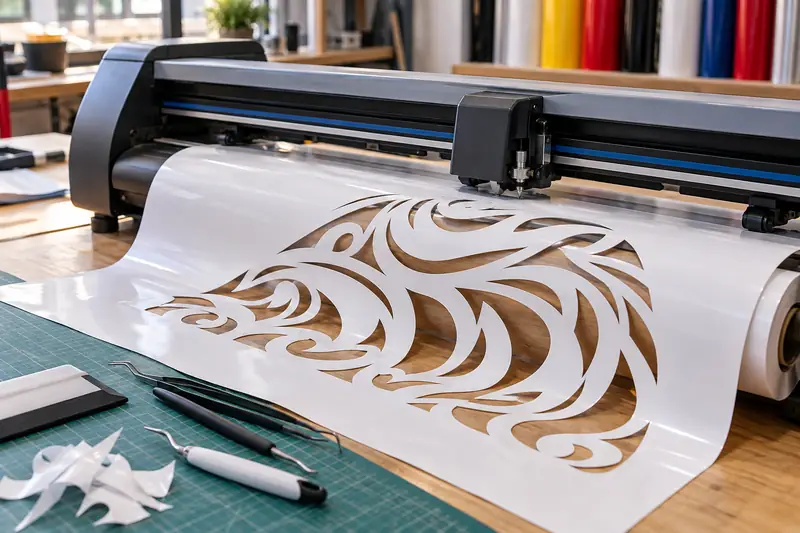
Cut vinyl decals are made from solid-color vinyl. A plotter cuts the outline, the waste is weeded away by hand, and transfer tape carries the letters or shapes to the car. Because the color is in the film itself, cut decals are very durable and need no printer. They work best for lettering, logos with a few flat colors, and stripes.
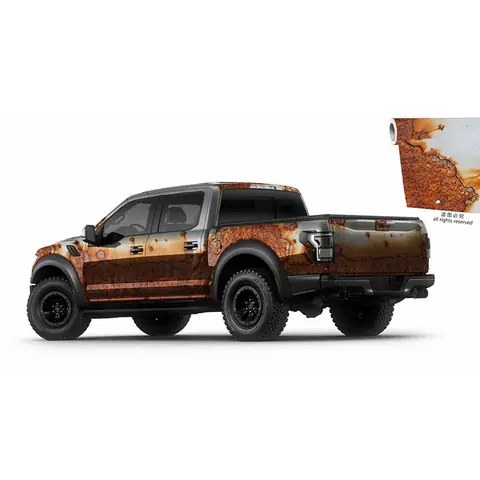
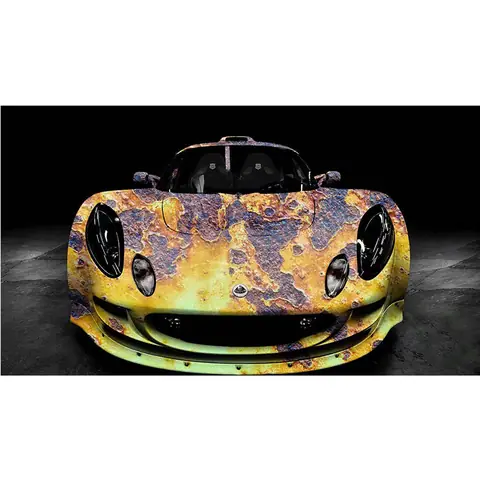
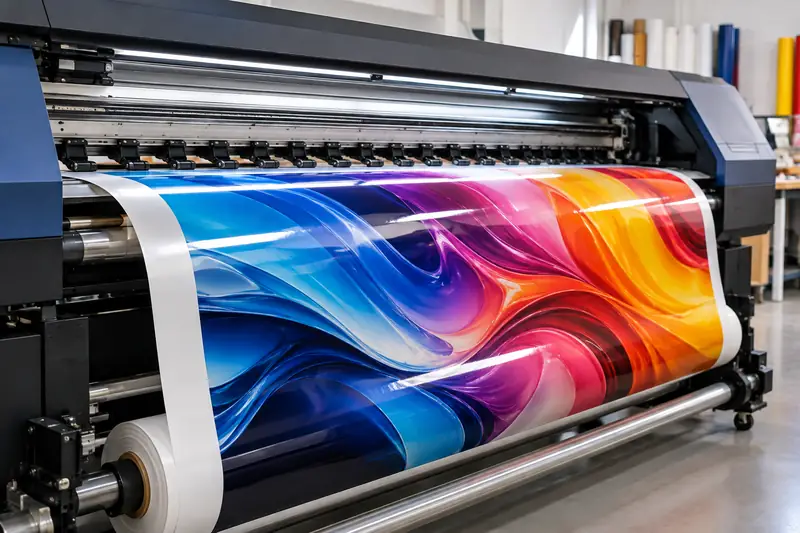
Printed decals start as white or clear printable vinyl. The design is printed, laminated with a clear overlaminate, then contour-cut around the shape or kiss-cut on a sheet. This is the route for photos, gradients and full-color logos.
| Cut vinyl decal | Printed vinyl decal | |
|---|---|---|
| Colors | One per layer of film | Unlimited, including gradients and photos |
| Equipment | Vinyl cutter (plotter), weeding tools, transfer tape | Printer, laminator, cutter or print-and-cut machine |
| Laminate needed | No | Yes, for outdoor durability and scratch resistance |
| Best for | Lettering, simple logos, stripes, window names | Full-color logos, stickers, vehicle graphics |
| Finish options | Gloss, matte, metallic, chrome, reflective | Gloss or matte laminate over the print |
| Typical weak spot | Fine detail is slow to weed | Edges can lift if the laminate is cut short |
Many shops do both: cut vinyl for car window decals and lettering, printed vinyl for full-color stickers and larger vehicle decals.
What vinyl to use for car decals
When someone asks what type of vinyl for car decals, the honest answer is "outdoor adhesive vinyl rated for vehicles," then a choice between grades.
Calendered vs cast vinyl
- Monomeric calendered vinyl is the economy grade. It is fine for flat windows, short promotions and indoor use, but it shrinks more over time and can crack or lift on curves.
- Polymeric calendered vinyl is the common middle choice for car decals. It shrinks less, lasts longer outdoors and handles gentle curves on doors and bumpers.
- Cast vinyl is the premium choice. It is thin, stable and conformable, so it suits large vinyl decals for cars that cross body lines, recesses and rivets.
For printable work, the same rule applies: pick a printable vinyl whose grade matches the surface, and pair it with a laminate of matching or better grade. Mixing a cast print film with a cheap calendered laminate brings back the shrinkage problem you were trying to avoid.
Adhesive and finish
Permanent adhesive is the usual choice for car decals that should stay for years. Removable adhesive suits event decals, dealer stickers and short campaigns. Air-release adhesive (tiny channels that let trapped air escape) makes larger decals far easier to apply bubble-free.
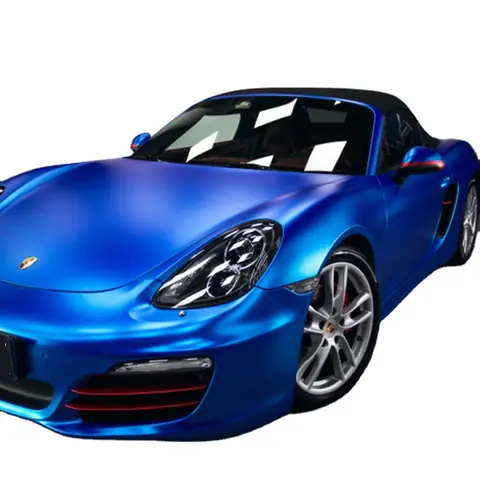
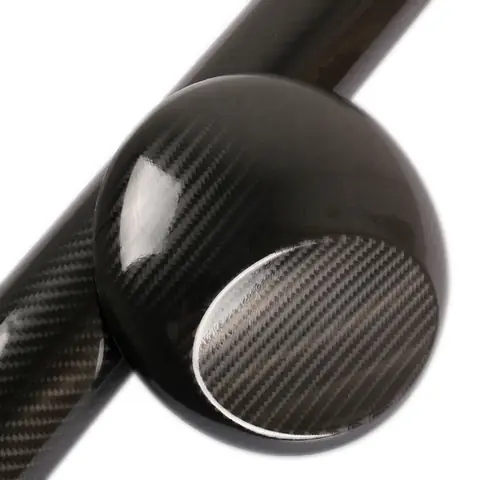
For finish, gloss is the default, matte reduces glare on windows, and metallic, chrome or color-shift films add effect. Our printed and effect vinyl range and printable and cutting vinyl cover both routes, and the guide to cutting vinyl and sign vinyl goes deeper on film grades.
How to make vinyl stickers and car decals
The steps below cover both cut and printed decals. Skip the print and laminate steps for single-color cut vinyl.
- Design in vector format. Use clean vector outlines for cutting. Keep text above a sensible minimum height, since very thin strokes are hard to weed and lift early on a car.
- Choose the film. Pick color, grade and adhesive based on the surface and how long the decal must last.
- Print (printed decals only). Print on printable vinyl with an eco-solvent, latex or UV printer. Let solvent inks outgas fully before laminating; follow the ink and film data sheets for timing.
- Laminate (printed decals only). Apply a clear gloss or matte overlaminate to protect against UV, scratches and car washes.
- Cut. Run the plotter or contour cutter. Do a test cut first to set blade depth so the cut goes through the vinyl but not the liner.
- Weed. Remove the excess vinyl around and inside the letters with a weeding hook.
- Apply transfer tape. Use transfer tape with the right tack for the film. Low tack suits most smooth vinyl; higher tack helps with textured or heavy films. See the transfer tape guide for details.
- Install. Clean the surface with isopropyl alcohol, position with masking tape hinges, squeegee from the center out, and peel the transfer tape back at a low angle.
Do you need a dedicated decal printer?
Not for cut vinyl. A vinyl cutter alone makes lettering and simple logos. For full-color vinyl stickers, a decal printer that handles solvent-type, latex or UV ink on vinyl is needed, since desktop inkjet inks on craft sticker paper are not built for outdoor vehicle use. Print-and-cut machines combine both jobs and suit small decal businesses.
Where to get vinyl stickers made
Car owners who do not want to make decals themselves usually go to a local sign shop, a wrap shop, or an online custom decal maker. A local shop can measure the car and install the decal; online services suit standard sizes and repeat orders. For businesses, buying film and producing in-house pays off once order volume is steady.
Car window decals and rear windshield decals
Window decals for vehicles are the most common job in many sign shops: business names, phone numbers, memorial decals and club logos.
- Placement. Put rear window decals on the outside of the glass. Avoid the wiper sweep where you can, and keep clear of areas that would block the driver's view. Rules on how much window can be covered vary by country and state, so check local regulations before covering large areas.
- Defroster lines. Decals on the outside of the glass do not affect the heating grid. Never scrape decals off the inside of a heated rear window.
- Full rear window graphics. For larger rear windshield decals that cover most of the glass, shops typically use perforated one-way window film so the driver can still see out. Check local rules on rear-window coverage before quoting.
- Visibility. White and light colors read best on tinted glass. Dark decals on dark tint almost disappear.
Custom car window decals in white cut vinyl are among the cheapest and longest-lasting decals you can make, because the film color does not depend on a print.
Vehicle decals on paint: durability and removal
Vinyl auto decals on paint behave like a small wrap. A quality vinyl decal on factory paint typically lasts several years outdoors; premium cast film lasts longer than economy calendered film, and horizontal surfaces such as hoods and roofs age faster than doors.
When it is time to remove them, warm the decal gently with a heat gun, peel at a low angle and clean any residue with a suitable adhesive remover. Paint that has been under a decal for years may look slightly different from the surrounding paint because the exposed paint has weathered. Our guide on car wrap removal covers the same process for larger graphics.
How much to charge for vinyl decals
There is no single price list, but most shops build decal pricing from the same parts:
| Cost element | What to include |
|---|---|
| Material | Vinyl, laminate, transfer tape and waste, usually priced by area |
| Design | Artwork setup or redraw time, often with a minimum fee |
| Production | Printing, laminating, cutting and weeding time |
| Installation | On-site or in-shop application time, if you install |
| Margin and minimum | A minimum order charge so small jobs stay worth doing |
As a rough guide, small single-color die-cut stickers often sell for a few dollars each, while custom lettering for a rear window commonly lands somewhere between about $30 and $150 depending on size, colors and installation. Larger multi-color vehicle decals and partial graphics go well beyond that. Prices vary widely by region, film grade and shop, so use your own material and labor costs as the base. Weeding time is the cost most new shops underestimate, especially on small, detailed text.
Buying decal film for your shop
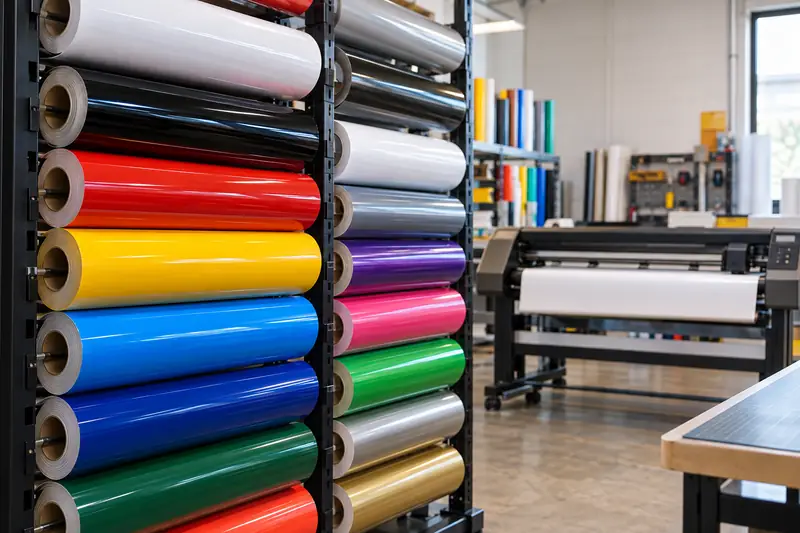
Decal businesses run on reliable film: consistent color from roll to roll, adhesive that behaves the same each time, and liners that cut cleanly. At Mars Decorative Film, every roll is batch-numbered so a repeat order for a client's logo color can be matched to the same batch where stock allows. Standard rolls are 1.52 m wide, MOQ is one roll and colors can be mixed. Request free film samples to test on your cutter and printer before you commit.
Frequently asked questions
What kind of vinyl for car decals is best?
An outdoor, vehicle-rated adhesive vinyl is the minimum. Polymeric calendered vinyl suits most window and door decals, while cast vinyl is better for decals that cross curves or need to last longest. Printed decals should always be laminated.
How do you make car decals at home?
You need a vinyl cutter, outdoor adhesive vinyl, a weeding tool and transfer tape. Design in vector format, cut, weed, apply transfer tape, then install on a clean surface. Full-color decals also need a printer suited to vinyl and a laminate.
Can I print vinyl stickers on a regular inkjet printer?
Desktop inkjet sticker sheets are made for indoor use and usually fade or smudge outdoors. For car decals, shops use eco-solvent, latex or UV printers on printable vinyl with a laminate on top.
Do car window decals go on the inside or outside?
Most vinyl window decals go on the outside of the glass, which is easier to install and keeps them off heated rear-window lines. Inside-glass decals need mirrored artwork and are less common.
How long do vinyl car decals last?
Quality outdoor vinyl decals typically last several years, with cast film outlasting economy calendered film. Sun exposure, climate and how the car is washed all affect life.
Will car decals damage paint?
A quality decal on factory paint normally removes cleanly with gentle heat. Resprayed or damaged paint can lift during removal, and the paint under the decal may look less weathered than the surrounding area.
Where can I print vinyl stickers in bulk?
Sign shops, print shops and online decal printers handle bulk runs. Businesses with steady volume often buy their own printer, cutter and film rolls to bring production in-house.