Vinyl wraps · 7 min read
Blue car wrap: midnight blue, satin blue and metallic blue in cars
Blue in cars explained: midnight blue, metallic, satin, matte and teal blue car wrap shades, wrap vs blue car paint, film types, cost, care and samples.
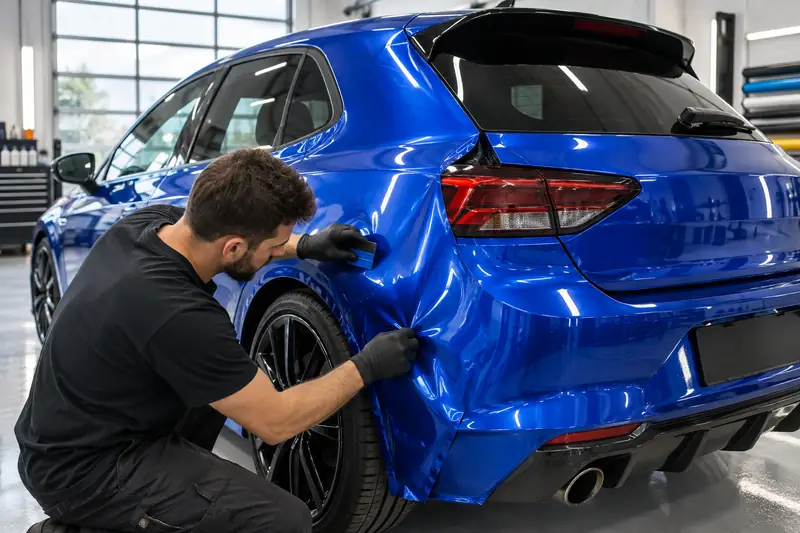
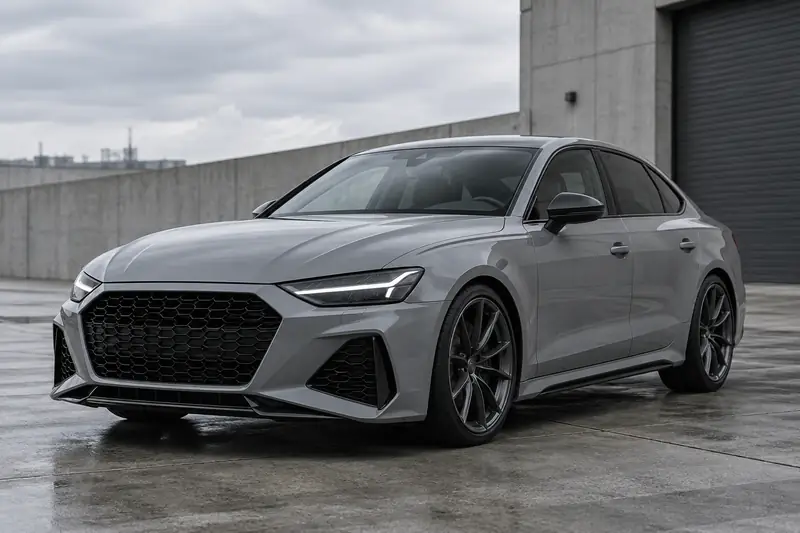
Short answer: Blue in cars ranges from pale sky and teal to royal, metallic and near-black midnight blue. A blue car wrap gives any of these looks in gloss, satin, matte, metallic, pearl, color-shift or chrome film, over the original paint and reversibly. A full blue wrap typically costs less than a quality respray, and blue is one of the safest bold colors for resale.
Blue in cars covers a wider range than any other color family: pale baby blue, teal, bright racing and royal blues, metallic mid blues and the deep, almost black midnight blue. A blue car wrap lets owners pick from that whole range without repainting, and lets shops offer finishes that paint rarely does. This guide is for car owners comparing blue vinyl wrap with blue car paint, and for wrap shops and distributors choosing which blues to stock. It covers the shade family, how each finish changes blue, which cars suit which shade, wrap vs paint, film types, care, cost and choosing from samples.
Key takeaways
- Blue is the safest bold color: it suits most body shapes and appeals to a wide range of buyers.
- Midnight blue is a near-black navy, often metallic or pearl, that shows blue only in direct light.
- Metallic blue adds sparkle and depth; satin blue softens reflections; matte blue looks flat and modern.
- A blue vinyl wrap gives the paint look reversibly, typically for less money and time than a quality respray.
- PET-liner gloss film gives the most paint-like blue; color PPF adds self-healing chip protection.
- Blues vary a lot between films, so compare physical samples outdoors before ordering a full car.
Why blue in cars stays popular
Blue sits between safe neutrals and loud colors. It reads as clean, confident and sporty, it ages well on most designs, and many factory lineups offer at least one blue. That makes a blue car wrap an easy choice for owners who want color without the risk of a trend shade.
For shops, vehicle wrap blue is also common in fleet branding, because blue logos are so widespread.
Blue car colors: the shade family
| Shade | How it looks | Typical finishes |
|---|---|---|
| Baby / sky blue | Light, pastel, soft | Gloss, satin, matte |
| Glacier / ice blue | Light, cool blue-grey | Gloss metallic, satin |
| Teal | Blue-green, vivid | Gloss, satin, metallic |
| Racing / royal blue | Bright, saturated mid blue | Gloss, gloss metallic |
| Metallic mid blue | Mid blue with visible flake | Gloss metallic, satin metallic |
| Storm / steel blue | Grey-leaning blue | Satin metallic, matte |
| Navy / dark blue | Deep blue, readable in shade | Gloss, satin, matte |
| Midnight blue | Near-black blue, often pearl | Gloss metallic, gloss pearl |
| Blue chrome | Mirror blue | Chrome, satin chrome |
Mars blues include Royal Blue, Tanzanite Blue, Glacier Blue, Storm Blue satin metallic and the Grey Blue Flip color-shift. If a customer leans toward grey-blue, show our grey car wrap guide too; for the purple side of dark blue, see the midnight purple wrap guide.
Midnight blue car colors
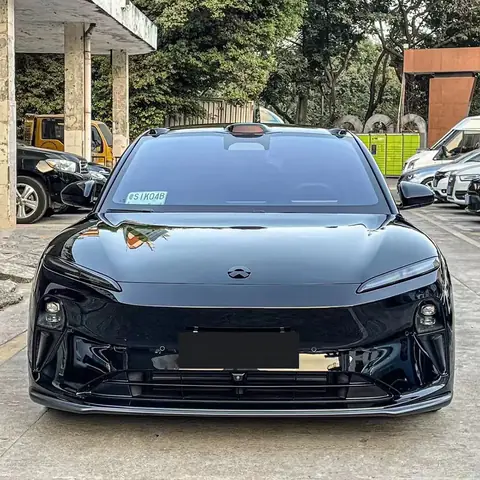
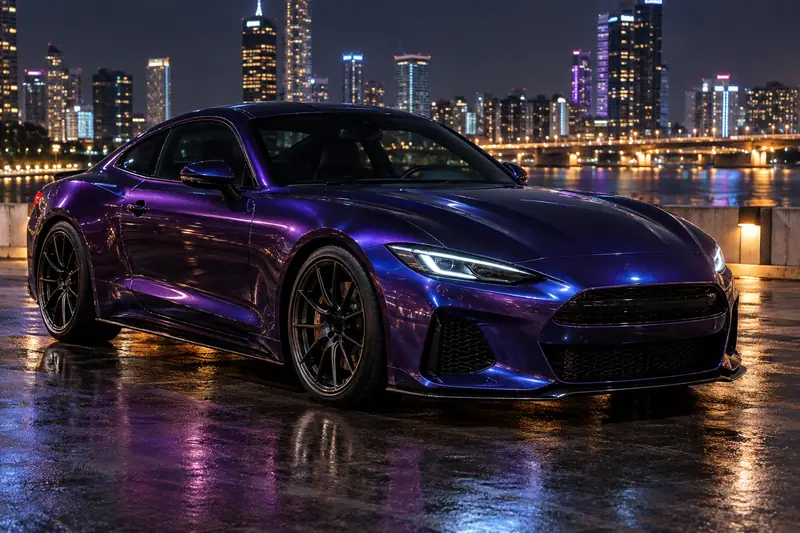
A midnight blue car looks almost black in shade and turns deep blue in sun. Midnight blue car paint colors usually include metallic or pearl, and "candy apple midnight blue" describes a custom paint style with a translucent blue over bright flake. Gloss metallic midnight blue wrap is the closest film version.
Teal
Teal sits between blue and green and is popular on compact cars, retro builds and EVs. Teal vinyl wrap in gloss is vivid; satin teal looks more modern.
How each finish changes blue
- Gloss. Clean and deep; looks like solid factory paint.
- Gloss metallic. Flake brightens highlights and darkens shadows. Metallic blue vinyl wrap is one of the most popular blue choices.
- Satin. A satin blue wrap has a soft sheen that shows body lines without mirror reflections. Satin dark blue is a favorite on SUVs and large sedans.
- Matte. A matte blue car wrap looks flat and chalky, especially in mid and light blues. Striking, but harder to clean.
- Pearl. Smooth glow with color tint, as in midnight blue pearl.
- Color-shift. Blue to purple, blue to green or grey to blue flips. See the color-shift chameleon wrap guide.
- Chrome. Blue chrome wrap is a mirror finish for show cars; harder to install and maintain. See the chrome vinyl wrap guide.
Our guide to gloss, satin, matte and chameleon finishes explains each surface in more depth.
Which cars suit which blue?
- Hot hatches and sports cars. Bright racing and royal blue in gloss, or metallic mid blue.
- SUVs and large sedans. Satin dark blue or navy looks premium and understated.
- Luxury cars. Gloss midnight blue metallic or pearl reads like expensive custom paint.
- EVs and compact cars. Glacier, sky blue or teal suit smooth, modern shapes.
- Trucks. Satin or matte steel blue with black trim gives a rugged look.
Pairing tips: black wheels make bright blue pop; bronze or gold wheels are a classic match for dark blue; white stripes give a motorsport look.
Blue car wrap vs blue car paint
A blue car wrap gives the look of blue car paint over the original finish and can be removed later. Paint is permanent and offers the deepest candy and pearl effects, but it costs more and takes longer.
| Blue vinyl wrap | Blue automotive paint (respray) | |
|---|---|---|
| Shade and finish choice | Very wide: gloss, satin, matte, metallic, chrome, color-shift | Wide in gloss; satin and matte are specialist |
| Reversible | Yes | No |
| Typical cost, full car | Roughly USD 2,500–5,500 (chrome and color-shift more) | Roughly USD 5,000–15,000+ for quality work |
| Time | Usually 2–5 days | Often 1–3 weeks |
| Resale | Original paint protected | Non-factory color can affect value |
People searching "blue automotive paint", "metallic blue auto paint" or "blue colors for cars paint" are often weighing these options. Our wrap vs paint comparison covers the long-term trade-offs.
PET-liner gloss, PVC or color PPF?
- PET-liner vinyl. PVC film on a smooth PET liner for a flat, glass-like gloss. Best for gloss and gloss metallic blues where you want a paint-like finish. See PET liner vinyl wrap.
- PVC vinyl. The standard color-change film, with the widest choice in satin, matte and metallic blues. See PVC vinyl wrap.
- Color PPF. Blue thermoplastic polyurethane (TPU) film with self-healing top coat and stone-chip protection. See color PPF.
Chrome and color-shift blues usually come from effect lines such as printed and effect vinyl.
Blue wrap cost, care and fade
A professional blue car wrap typically costs roughly USD 2,500–5,500 on a standard car. Chrome and color-shift blues usually cost more, often roughly USD 5,000–10,000 or more, and full body blue color PPF typically sits around USD 5,500–10,000 or more. Prices vary by market, vehicle and shop; see the car wrap cost guide.
Care and fade notes:
- Dark blues show swirls and water spots; dry with clean microfiber.
- Bright blues hold up better than reds and yellows, but saturated colors still age faster than neutrals in strong sun.
- Do not polish satin or matte blue.
- Hood and roof age fastest; shade parking helps.
How to choose a blue from samples
- Pick the shade group. Light, bright, metallic, dark or midnight.
- Pick the finish. Gloss, satin, matte or effect.
- Order several samples. Compare three or four blues side by side.
- View outdoors in sun and shade. Dark blues can look black indoors.
- Hold them against wheels and trim. Check how warm or cool the blue reads.
- Order from one batch. Get all film for the car from one batch; see how much vinyl to wrap a car.
For the full color picture, see our car wrap colors guide.
Stocking blue vinyl wrap for your shop
Blue is a core color for most shops: a gloss royal blue, a metallic mid blue, a satin dark blue and a midnight blue cover most requests. Mars Decorative Film makes blues in PET-liner, PVC and color PPF, on 1.52 m wide rolls with an MOQ of one roll and mixed colors allowed, and adds new colors roughly every three months. Rolls are batch-numbered for matching reorders. Trade buyers can request free samples and swatch books.
Frequently asked questions
What is the most popular blue for cars?
There is no single winner, but mid metallic blues, bright royal blues and dark navy or midnight blues are consistently popular. Dark blues suit larger cars and luxury models, while bright blues suit sports and compact cars.
What color is midnight blue on a car?
Midnight blue is a very dark navy, close to black, usually with metallic or pearl effect. It looks almost black in shade and deep blue in direct sun, which gives it a subtle, premium look.
Is a blue car wrap cheaper than blue car paint?
Usually yes. A professional blue wrap typically costs roughly USD 2,500–5,500 on a standard car, while a quality respray often costs more and is permanent. Prices vary by market, vehicle and shop.
Is matte blue or satin blue better?
Satin blue is easier to live with because it cleans more easily and hides minor marks. Matte blue looks flatter and more dramatic but shows oils and fingerprints and must never be polished.
What is the difference between teal and blue wraps?
Teal is a blue-green, so it looks greener in sun and bluer in shade. It suits compact cars, retro builds and EVs, while true blues have wider appeal on larger vehicles.
How long does a blue vinyl wrap last?
Quality blue films typically last several years outdoors. Blue usually holds color better than reds and yellows, but climate, parking and washing habits matter most. Check the rated outdoor life on the film's data sheet.