PPF · 6 min read
Color PPF buyer's guide: black PPF, tinted PPF and what to ask
Color PPF explained: black and gloss black PPF, tinted PPF, popular car PPF colors, typical prices, and what to ask a supplier before a stock order.
Short answer: Color PPF is a self-healing TPU paint protection film with color built in, typically about 7.5 mil thick. It changes the car's color and protects against stone chips. Black and gloss black PPF are the most requested shades; tinted PPF is translucent. Ask suppliers about top coat, batch numbering and samples.
Color PPF (paint protection film) has grown from a niche product into one of the fastest-moving lines for wrap shops. It promises two things at once: a new color and real protection. Not every color PPF film delivers both, so this guide covers what the film is, the most requested shades such as black and gloss black PPF, how tinted PPF differs, what drives price and what to ask a supplier before you stock it.
Key takeaways
- Color PPF is thermoplastic polyurethane (TPU) film with pigment or flake, installed wet like clear PPF and typically sold at about 7.5 mil thickness.
- It protects against stone chips, sand and light scratches, and quality films self-heal fine swirls with heat.
- Black and gloss black PPF are the most requested colors; they need careful prep because gloss black shows every flaw underneath.
- Tinted PPF is translucent: it darkens or deepens what is beneath it rather than covering it completely.
- Color PPF costs more than vinyl per meter and to install, but lasts longer and adds protection.
What is color PPF?
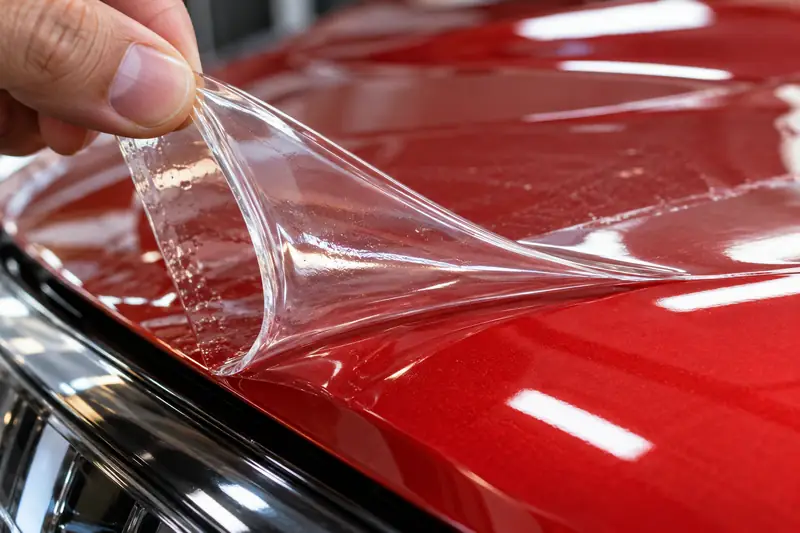
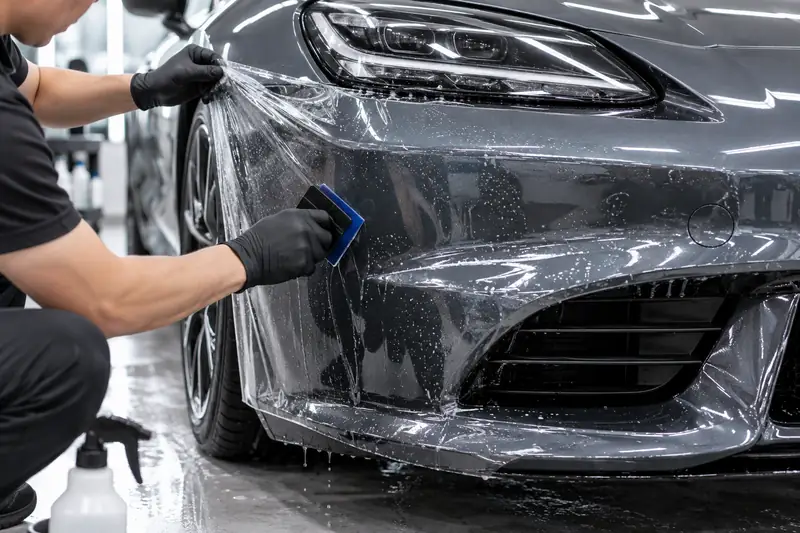
Color PPF is a TPU film with pigment or metallic flake in the film body or under the clear top coat. It is installed like clear PPF, wet with slip and tack solutions, and protects against stone chips, sand, bird droppings and light scratches. Where vinyl only changes the color, a colored PPF wrap changes the color and protects the paint. For background on the base material, see what paint protection film is.
Color PPF vs vinyl wrap vs clear PPF
| Color PPF | Vinyl wrap (PVC/PET) | Clear PPF | |
|---|---|---|---|
| Material | TPU | PVC face film | TPU |
| Changes color | Yes | Yes | No |
| Stone-chip protection | High | Low | High |
| Self-healing | Yes, with heat | No (some premium lines partially) | Yes, with heat |
| Install method | Wet | Dry | Wet |
| Typical roll | 1.52 × 15 m | 1.52 × 17–18 m | 1.52 × 15 m |
| Relative cost | Highest | Lowest | High |
For a deeper comparison, read PPF vs vinyl wrap.
Black PPF and gloss black PPF
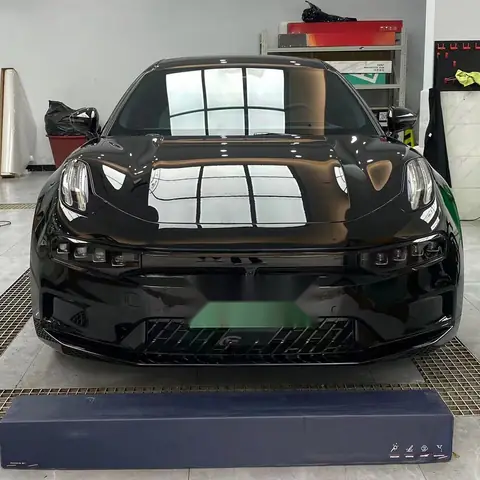
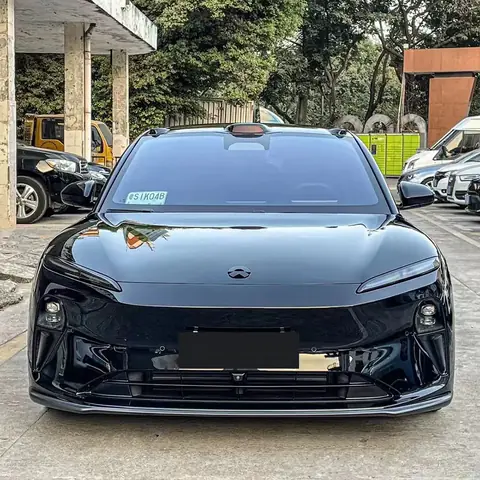
Black is the single most requested color for color PPF film, and gloss black PPF is the most common version of it.
Why choose gloss black PPF?
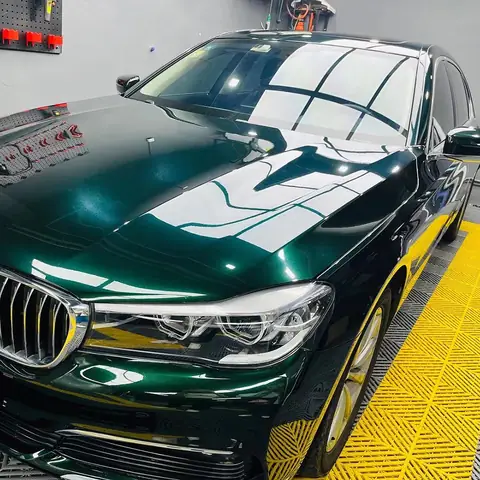
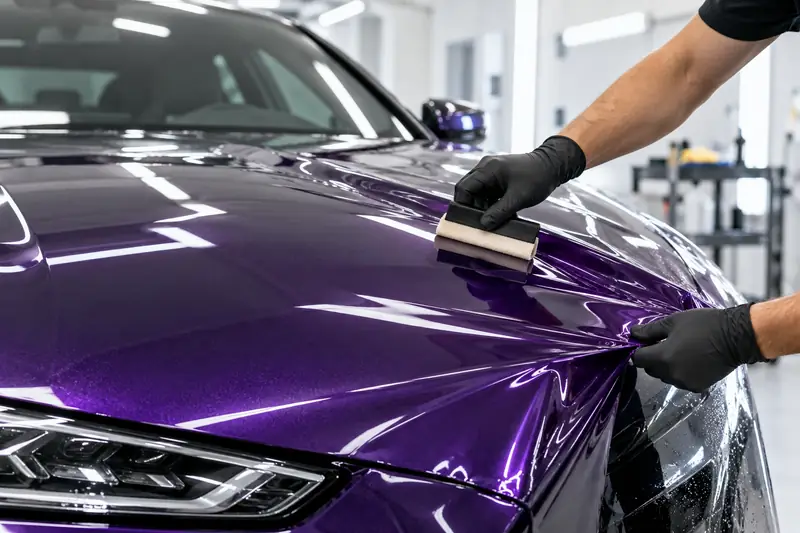
A gloss black PPF wrap gives the deep "piano black" look that many owners want, with protection that vinyl cannot offer. It is popular for full color changes, roofs, mirror caps, and chrome delete on window trims and grilles. Because the top coat self-heals light swirls, a black PPF film can stay glossy longer than black paint, which is notorious for showing wash marks.
What to watch for with black PPF
- Surface prep: gloss black shows every speck of dust, scratch and paint defect beneath it. Decontaminate and, where needed, polish the paint first.
- Orange peel: compare samples side by side under strong light. A smooth, low-texture surface is the main quality difference between black PPF films.
- Edges: dark films make lifted edges and stretch marks more visible, so careful trimming and edge wrapping matter.
Satin and matte black PPF
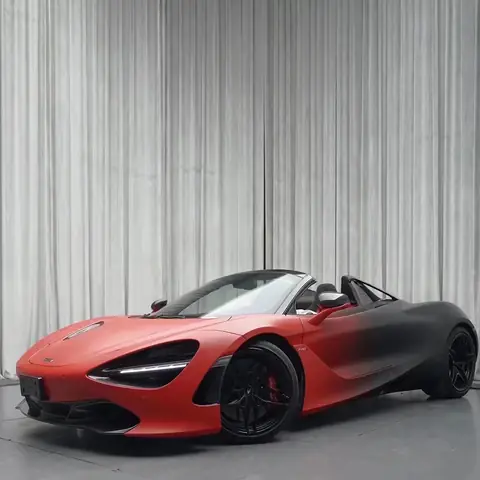
Satin black and matte black PPF give a stealth look while keeping protection. They hide minor imperfections better than gloss. Our matte and satin PPF guide covers care and installation differences.
Tinted PPF film
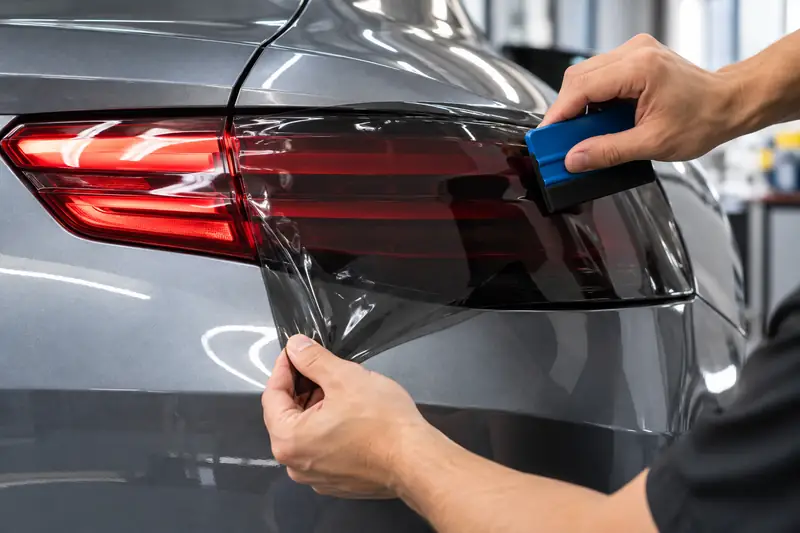
Tinted PPF is a translucent film, usually smoke or dark grey, rather than an opaque color.
- On lights: the most common use is smoking headlights and taillights. Rules on lamp tint vary by country and state, and some markets restrict it heavily, so check local law.
- On paint and trims: a light tint over existing paint can deepen the color or darken chrome and carbon parts while keeping texture visible.
- On carbon fiber: tinted PPF over real carbon parts can darken the weave without hiding it.
Because tinted film lets the substrate show through, any defect underneath remains visible.
Car PPF colors: what sells
Pure PPF colors (solid, non-metallic shades) and metallic or effect colors both have a market. A practical first range for a shop or distributor often includes:
| Color group | Examples | Typical buyer |
|---|---|---|
| Blacks | Gloss black, satin black, matte black | Full color change, chrome delete, roofs |
| Solid greys | Flat light greys, cement greys | Sports cars, SUVs |
| Whites | Gloss white, pearl white | Premium sedans, EVs |
| Metallics | Deep purples, blues, liquid silvers | Statement builds |
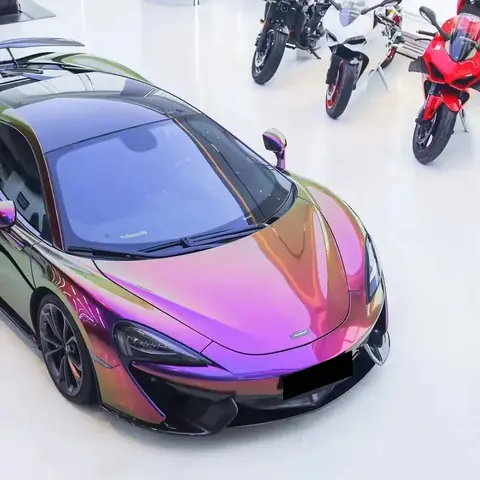
| Effects | Color-shift shades | Show cars |
| Tinted | Smoke, dark tint | Lights, trims, carbon parts |
There is no single best color PPF for every shop. The best choice is the film that matches your customers' cars, installs reliably for your team and stays consistent from batch to batch.
The specifications that matter
Thickness
Most color PPF is sold at around 7.5 mil (about 190 µm). Thicker film protects better but is harder to stretch into recesses; thinner film conforms easily but offers less impact resistance. Ask whether the stated thickness includes adhesive and liner.
Top coat
The clear top coat carries the self-healing and stain-resistance performance. Ask whether it is self-healing at room temperature or needs heat, and whether it is hydrophobic.
Color consistency
For distributors this is the critical point. Ask how the supplier controls color between batches and whether each roll carries a batch number so a shop can match a repair panel months later.
Adhesive
Look for a pressure-sensitive adhesive that allows repositioning during the wet install and removes cleanly from factory paint within the film's rated life.
Color PPF price
Color PPF price depends on the film, the vehicle and the shop. In most markets:
- Material: a roll of color PPF costs significantly more than a roll of PVC or PET liner vinyl, because TPU film and its top coat are more expensive to produce.
- Installation: wet installation is slower than dry vinyl wrapping, and full-body color PPF jobs often take several days.
- Installed price: a full-car color PPF job typically costs well above a vinyl color change, often several thousand USD or more, depending on region, vehicle size and coverage.
For a detailed breakdown, see our PPF cost guide.
Questions to ask before a stock order
- What is the film thickness with and without adhesive?
- Is the top coat self-healing, and at what temperature?
- What warranty applies and what does it cover (yellowing, cracking, adhesive failure)?
- Are rolls batch-numbered, and how long are batches kept in stock?
- Can you send free A4 samples of the colors we plan to stock?
- Can you supply our own packaging and liner print?
Choosing colors for a first order
Start with colors that sell across vehicle types: gloss black, solid flat greys, deep metallic purples and blues, liquid silvers and one or two color-shift shades. Add a tinted smoke film if your shop does lights and trims. At Mars Decorative Film, every color PPF roll is 1.52 × 15 m and batch-numbered, and orders start from one roll with mixed colors. Browse our color PPF range and request free samples to test under your own shop lighting.
Frequently asked questions
What is color PPF?
Color PPF is a TPU paint protection film with color built in. It changes the look of the car like a vinyl wrap while protecting the paint from stone chips and light scratches.
Is black PPF better than black vinyl?
For protection and durability, usually yes: black PPF is thicker, self-healing and resists stone chips. Black vinyl is cheaper and easier to install, so it suits short-term color changes.
Does gloss black PPF show scratches?
It shows defects more than lighter colors, but the self-healing top coat removes many fine swirls when warmed by sun or warm water. Deeper scratches through the top coat will not heal.
What is tinted PPF used for?
Mostly for smoking headlights and taillights, and for darkening trims or carbon parts while keeping them visible. Lamp tint rules vary by market, so check local law first.
Does color PPF need a ceramic coating?
No, but a coating rated for PPF can make washing easier. Wait until the film has cured, typically about a week, or as the film's data sheet advises.
Can color PPF be removed?
Yes. Within the rated life it can usually be removed with heat without damaging sound factory paint.
Is color PPF worth the extra cost over vinyl?
If the customer values chip protection and self-healing, yes. For a short-term color change, vinyl is more economical.