PPF · 9 min read
What is paint protection film (PPF) and how does it work?
Paint protection film explained: what PPF means, what it protects against, whether it damages paint, how to remove it and where shops buy rolls.
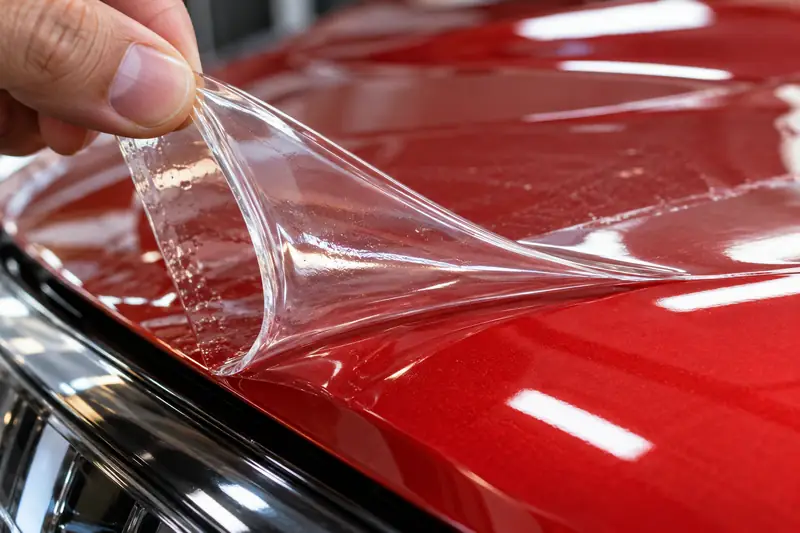
Short answer: Paint protection film (PPF) is a clear or colored thermoplastic polyurethane film, typically 6.5 to 10 mil thick, applied over a car's paint to absorb stone chips, light scratches, bug acids and road grime. Quality TPU films have a self-healing top coat and peel off cleanly from sound factory paint when removed correctly.
Paint protection film is the clear (or colored) urethane layer that sits between a car's paint and everything the road throws at it. This guide explains what PPF means, what the film is made of, what it does and does not protect against, and how it is installed and removed. It is written for car owners researching their first PPF job and for wrap and detailing shops deciding which film to stock.
Key takeaways
- PPF stands for paint protection film: a thermoplastic polyurethane (TPU) film, typically 6.5–10 mil (about 165–250 µm) thick, with a pressure-sensitive adhesive.
- Its main job is impact protection against stone chips, sand, light scratches, bird droppings and bug residue. Vinyl wrap and ceramic coatings cannot do that job.
- Good TPU films have a self-healing top coat: light swirl marks disappear with heat from the sun, warm water or a heat gun.
- PPF does not ruin factory paint when it is good film on sound paint, removed with gentle heat. Respray, single-stage or already-failing paint can lift.
- Clear PPF keeps the original color; color PPF changes the color and protects in one layer.
- Standard rolls are 1.52 m (5 ft) wide and 15 m long. Installers either plot pre-cut kits or work bulk film by hand.
What does PPF mean in cars?
On a car, PPF means paint protection film. You will also hear "clear bra" or "car bra". The term goes back to the leather or vinyl covers people once strapped over the nose of a car. Today a clear bra car simply has transparent film on the high-impact areas. A "PPF wrap" or "PPF car wrap" usually means the film covers every painted panel, like a vinyl wrap would.
The film is built in layers. From the top down:
- Top coat. An elastomeric clear coat, usually gloss or matte, that resists stains and can self-heal light scratches.
- TPU body. The thick, stretchy polyurethane layer that absorbs impacts.
- Adhesive. An acrylic pressure-sensitive adhesive made to bond firmly and still release cleanly later.
- Release liner. The backing peeled off during installation.
Some older and economy protection films were made from PVC, and many economy films still use cheaper blends like TPH. For the differences, see our TPU vs TPH vs PVC PPF comparison.
What does paint protection film do?
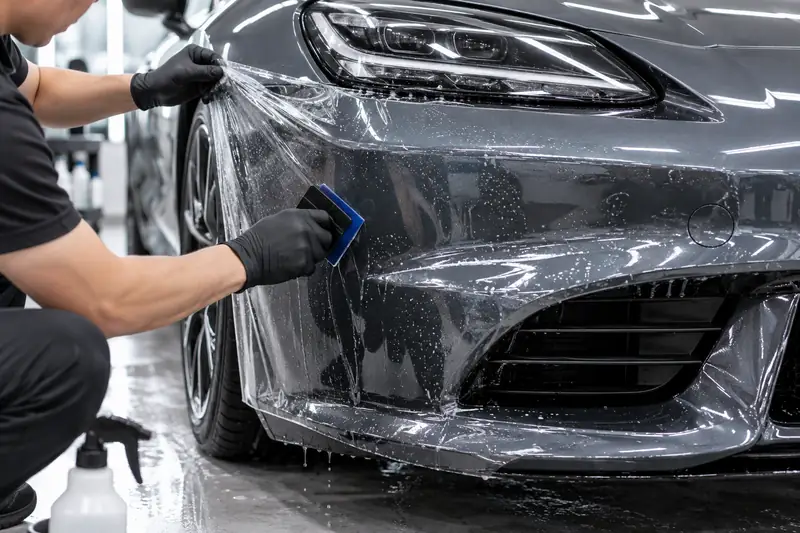
PPF is a sacrificial layer. Small stones, grit and debris hit the film instead of the clear coat. The TPU flexes and spreads the energy, so a hit that would chip paint usually leaves the film intact or with only a light mark. Other things it handles well:
- Light scratches and swirls from washing, keys brushing past, or bags on the trunk lid. With a self-healing top coat these often fade with heat.
- Chemical etching from bird droppings, bug splatter and tree sap. These are less likely to etch the paint, especially when cleaned off promptly.
- UV fade on the paint underneath, because the film shields it.
- Door edge and door cup wear, from rings and fingernails around handles.
It will not stop a deep gouge, a large rock at highway speed or collision damage. Very hard impacts can still dent the panel under intact film.
Does paint protection film work?
Yes, for what it is designed to do. A front-end PPF job on a highway commuter car usually shows its value within the first year. The bumper and hood leading edge collect chips that would otherwise need touch-up. The film itself wears instead of the paint. Once it is worn, it can be peeled and replaced, while the paint stays original.
Clear vs color PPF: which car protection film fits?
| Clear PPF | Color PPF | Vinyl wrap (for comparison) | |
|---|---|---|---|
| Material | TPU | TPU with pigment layer | PVC (cast or calendered) |
| Typical thickness | 6.5–10 mil | 6.5–8.5 mil typical | 3–6 mil |
| Changes color | No (gloss or matte finish only) | Yes | Yes |
| Stone-chip protection | High | High | Low |
| Self-healing | Yes, on quality TPU | Yes, on quality TPU | No |
| Install method | Wet (slip and tack solutions) | Wet | Mostly dry, air-release |
| Relative cost | High | Highest | Lower |
Clear paint protection film is the classic choice for new cars, leased cars and anyone who loves the factory color. Color PPF suits owners who want a color change but also want real protection for resale. Our color PPF buyer's guide covers the finishes and stock decisions in detail. Owners who want a matte look over gloss paint can use matte or satin PPF, which changes the sheen without changing the color.
Common coverage packages
- Partial front: bumper, first part of the hood and fenders, mirrors.
- Full front: whole bumper, full hood, full fenders, mirrors, often headlights.
- Track pack: full front plus rocker panels and the area behind the rear wheels.
- Full body: every painted panel.
Prices for a professional install vary widely by region, vehicle and shop. In most US markets, a full front roughly falls in the low-to-mid thousands of USD and a full body in the mid-to-high thousands. Our PPF cost guide breaks this down.
Does PPF ruin paint or damage it?
Paint protection film does not damage healthy factory paint when the film is a quality TPU product and it is removed correctly. The adhesive is designed for clean release. Problems tend to come from four places:
- Respray or poor-quality paint. Aftermarket paint that was not fully cured, or that has weak adhesion to the primer, can lift when film is peeled.
- Old, cracked or yellowed film. Economy PVC-based film that has baked in the sun for years can turn brittle and leave adhesive behind.
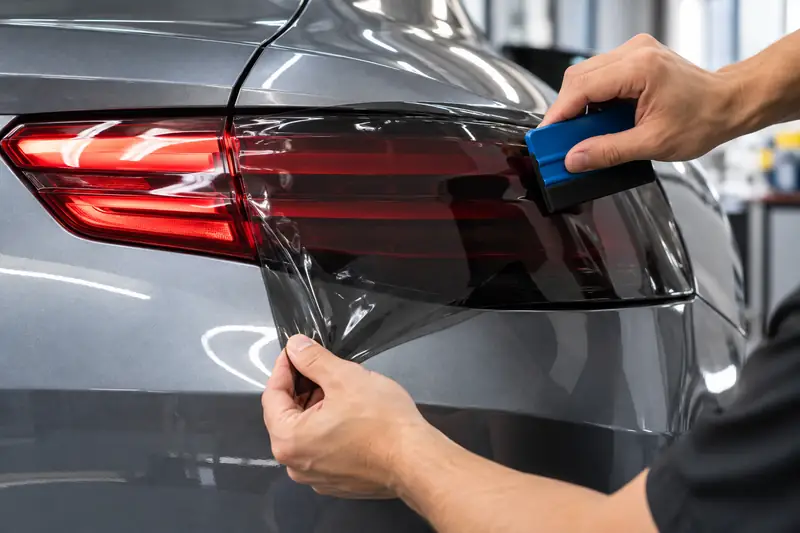
- Cutting on the car. Installers who trim film with a blade on the panel can score the clear coat. Many shops use pre-cut kits from a plotter, or knifeless tape, to avoid that.
- Aggressive removal. Pulling cold film at a steep angle puts high stress on the paint.
Ask the installer what film is being used, whether it is pre-cut, and how the paint will be checked before install. Freshly painted panels usually need to cure before film goes on; follow the paint supplier's advice.
Paint protection film vs ceramic coating
Ceramic paint protection is a liquid coating that bonds to the clear coat and makes it glossy, slick and easy to clean. It is only a few microns thick, so it adds no meaningful chip protection. PPF is roughly a hundred times thicker and is there for physical impacts. Many owners combine the two: film on high-impact areas, then a coating over film and paint for easier washing. Our PPF vs ceramic coating guide compares cost and care.
How to remove PPF from a car
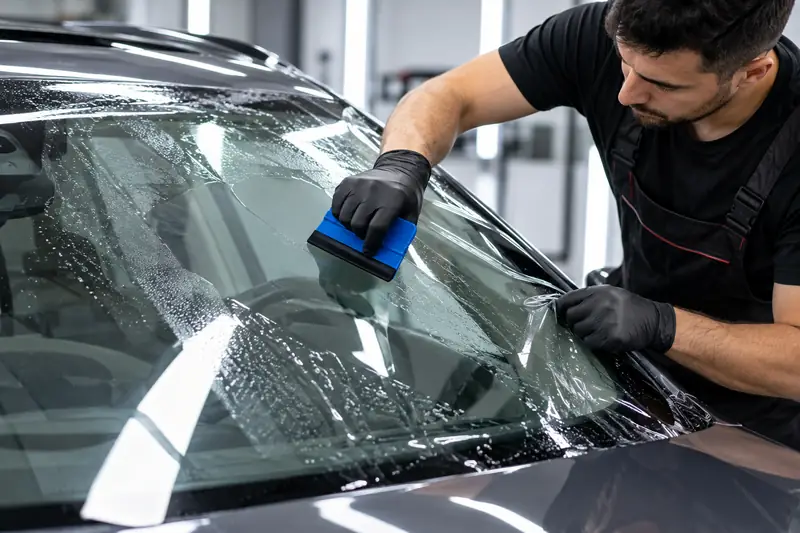
Removing paint protection film from a car is straightforward with patience and heat. The same steps work for removing old PPF and most protective film from car panels.
- Wash and dry the car so grit is not dragged across the paint.
- Warm a section with a heat gun on low, a steamer, or strong sun. The film should feel warm to the hand, not hot. Keep the heat moving.
- Lift a corner with a plastic razor or your fingernail, never a metal blade on paint.
- Peel slowly and low, pulling the film back over itself at a shallow angle, close to 180 degrees. Keep reheating the area just ahead of the peel line.
- Remove adhesive residue with a dedicated adhesive remover that is safe for automotive paint and a microfiber towel. Test it on a hidden area first.
- Wash, inspect and protect the paint with a polish, sealant or new film as needed.
How to remove cracked PPF
Cracked or yellowed film usually tears into small pieces instead of peeling in sheets. Use more heat and slower pulls. Steam helps soften both film and adhesive. Expect more adhesive residue and budget extra time. Shops often charge by the hour for this. For large or very old jobs, a professional removal is worth it, since chasing small fragments with a blade is how paint gets scratched. The same approach works for vinyl; see our car wrap removal guide.
Choosing the best PPF film
"Best" depends on the job, but quality film tends to share these traits:
- TPU base, not PVC, for clarity, flexibility and resistance to yellowing.
- Self-healing top coat that recovers light scratches with heat.
- Low orange peel so gloss paint still looks like paint under the film.
- Clean-release adhesive with enough tack for edges and wraps.
- Consistent thickness and batch tracking, so a repair panel matches the original.
On popular EVs like the Tesla Model 3 or Model Y, PPF is a common choice for owners who want to keep the factory paint chip-free. Shops often wrap the full front or the whole car soon after delivery. Ask for samples and do a test panel before committing to a film for a whole season's work. At Mars Decorative Film, every PPF roll is batch-numbered and inspected roll by roll before release, so installers can match a later repair to the same batch.
Where to buy PPF film
Car owners usually buy PPF installed, from a detailing or wrap shop. Pre-cut DIY kits exist for headlights and door cups, but full panels need trained hands, the right solutions and a dust-free bay. Shops and distributors buy bulk rolls, typically 1.52 × 15 m, from distributors or directly from manufacturers.
Buying PPF for your shop
If you install or distribute protection film, compare samples side by side for clarity, stretch and adhesive tack before you commit. Browse our clear TPU PPF range and color PPF line. Qualified buyers can request free samples; orders start at one roll.
Frequently asked questions
What does PPF stand for?
PPF stands for paint protection film. It is a clear or colored polyurethane film applied over a vehicle's paint to protect it from chips, scratches and stains. People also call it clear bra or car bra.
What does PPF mean in cars?
In the car world, PPF always refers to paint protection film. A car "with PPF" has film on some or all painted panels. Common examples are the bumper, hood and mirrors, or the full body.
Does PPF ruin paint?
Quality TPU film does not ruin healthy factory paint and is designed to release cleanly. Risks come from weak respray paint, very old degraded film, on-car cutting, or pulling the film off cold and fast. Removing it slowly with gentle heat protects the clear coat.
How long does paint protection film last?
Quality TPU films typically last several years, often 5–10, depending on climate, sun exposure, care and film grade. Check the specific film's warranty terms. Our guide to how long PPF lasts covers the factors in detail.
How do you remove old PPF from a car?
Warm the film with a heat gun, steamer or sun, lift a corner with a plastic tool, and peel slowly at a low angle. Then clean off leftover adhesive with a paint-safe remover. Cracked film needs more heat and patience because it tears.
Is PPF the same as a vinyl wrap?
No. PPF is a thick TPU film made for impact protection and is installed wet. Vinyl wrap is a thinner PVC film made mainly for color change and is usually installed dry. Color PPF combines a color change with PPF-level protection.
Can you put ceramic coating on PPF?
Yes. Many installers apply a coating made for film over PPF to make washing easier and add stain resistance. The coating adds slickness, and the film still provides the impact protection.