PPF · 7 min read
Ceramic coating vs PPF: differences, cost and which is better
Ceramic coating vs PPF compared: how each protects paint, cost, lifespan, and whether you can ceramic coat paint protection film or a vinyl wrap.
Short answer: PPF is a thick, self-healing TPU film that physically absorbs stone chips and scratches. A ceramic coating is a thin liquid layer that bonds to the surface to add gloss, water beading and easier cleaning, but offers little impact protection. They are not the same, and many owners combine them: PPF on impact areas, coating on top.
Ceramic coating vs PPF is one of the most common questions detailers and film installers hear, and the honest answer is that they do different jobs. Paint protection film is a physical shield; a ceramic coating is a hard, slick surface treatment. This guide explains the difference between PPF and ceramic coating, what each costs, when to combine them, and whether you can ceramic coat a vinyl wrap or PPF. It is written for shops that sell both services and for owners comparing quotes.
Key takeaways
- PPF is a thick thermoplastic polyurethane (TPU) film, typically around 6.5–10 mil, that absorbs stone chips and light impacts; many grades self-heal light scratches with heat.
- A ceramic coating is a thin liquid layer, far thinner than film, that adds gloss, chemical resistance and easier washing, but does not stop rock chips.
- PPF usually costs several times more than a ceramic coating for the same area, because of film cost and labor.
- You can do both: a coating over PPF is a common premium package, as long as the coating is suitable for film and the film has been allowed to settle.
- Vinyl wraps can also be coated, with matte or satin-safe coatings on non-gloss finishes.
What is the difference between PPF and ceramic coating?
The simplest way to explain it to a customer: PPF is armor, ceramic coating is a raincoat.
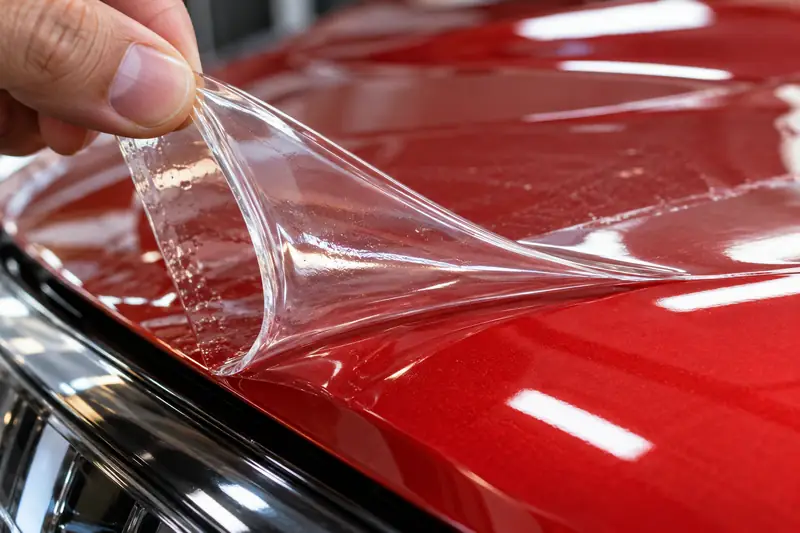
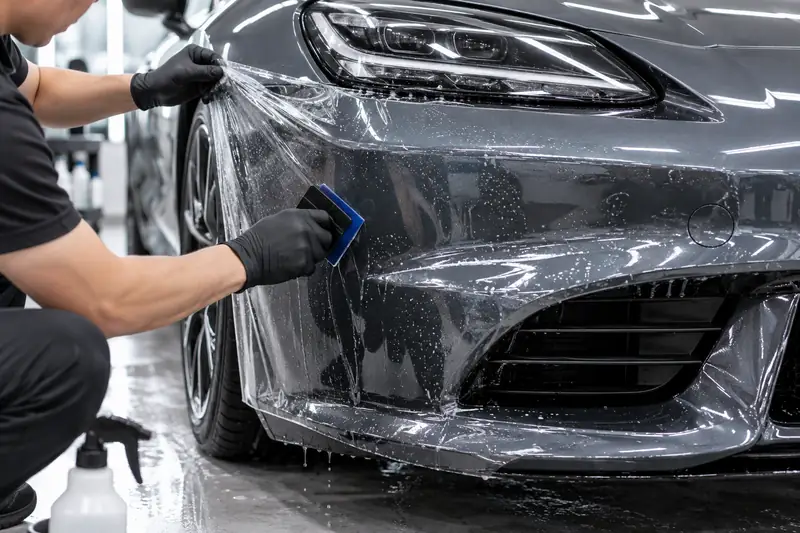
Paint protection film is a clear or colored TPU film installed wet over the paint. Its thickness and elasticity let it absorb small impacts from stones and grit that would otherwise chip the clear coat. Quality films have a top coat that self-heals light swirls and scratches when warmed by sun or warm water. If the film is damaged, the panel's film can be replaced, leaving the paint underneath intact. Our guide to what paint protection film is covers the material in detail.
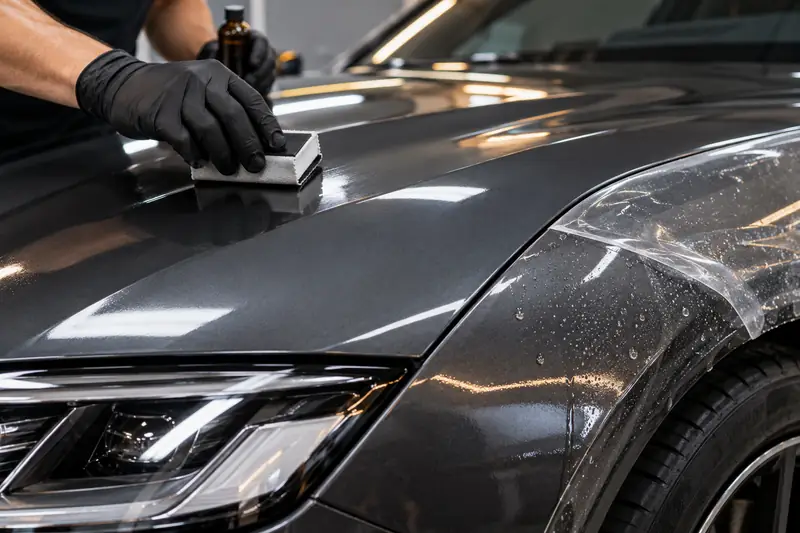
A ceramic coating is a liquid, typically based on silica or similar chemistry, applied by hand, leveled and cured. It forms a thin, hard, glossy layer that repels water and dirt, resists bird droppings and road chemicals for longer than wax, and makes washing faster. It adds very little thickness, so it cannot absorb a stone hitting the paint at highway speed.
Ceramic coating vs paint protection film at a glance
| PPF (TPU film) | Ceramic coating | |
|---|---|---|
| What it is | Thick polyurethane film | Thin liquid-applied layer |
| Typical thickness | Roughly 6.5–10 mil (165–250 µm) | A tiny fraction of that |
| Stone-chip protection | High | Very low |
| Scratch resistance | Self-heals light scratches on most grades | Helps against light wash marring only |
| Gloss and hydrophobic effect | Good; many films have a hydrophobic top coat | Excellent |
| Changes color or finish | Yes, with color PPF or matte PPF | No, enhances existing finish |
| Removable | Yes, with heat | Wears off or is polished off |
| Typical lifespan | Often several years, depending on grade | Often one to several years, depending on product and care |
| Relative cost | High | Lower |
Ceramic coating vs PPF cost
Pricing varies a lot by region, vehicle, paint condition and shop. As a rough guide in many US markets:
| Service | Typical installed price (USD) |
|---|---|
| Ceramic coating, full car (including paint correction) | Roughly $500–$2,000 |
| Partial front PPF (bumper, partial hood and fenders, mirrors) | Roughly $900–$2,000 |
| Full front PPF (full hood, fenders, bumper, mirrors) | Roughly $1,500–$3,000 |
| Full-body clear PPF | Roughly $4,000–$8,000 or more |
| Full-body color PPF | Often similar to or above full clear PPF |
| PPF plus coating package | Film price plus a coating add-on |
Paint correction before either service can add significantly to the cost, since both film and coating lock in whatever the paint looks like underneath. For a detailed breakdown, see our PPF cost guide.
Ceramic coating or PPF: which is better for your car?
Neither is better in every case. The right choice depends on how the car is used:
- Daily driver on highways or gravel roads: PPF on the front end at least. Stone chips are the main threat, and only film stops them.
- Garage-kept weekend car: a ceramic coating may be enough, with PPF on the front if the owner wants to avoid chips on drives.
- New car with perfect paint: full or front PPF keeps the factory finish for resale; a coating on top makes it easy to maintain.
- Older car with tired paint: paint correction plus a ceramic coating is often better value than film.
- Owner wants a new color and protection: color PPF does both in one layer. See our color PPF buyer's guide.
Is PPF and ceramic coating the same?
No. They are sometimes sold together and both are called "protection," but PPF is a film and ceramic coating is a liquid treatment. A coating cannot do the job of film against impacts, and film alone does not give the same slick, easy-clean surface that a coating adds on top.
Can you do both PPF and ceramic coating?
Yes, and it is one of the most popular packages in detailing. The usual order is film first, coating second:
- Wash, decontaminate and correct the paint.
- Install PPF on the chosen panels.
- Allow the film to settle and dry out as the film maker recommends, often a matter of days, so moisture under the film can escape.
- Coat the film and any unfilmed paint with a coating that is suitable for PPF.
- Advise the owner on washing and coating maintenance.
Coating the paint before installing film is not recommended, because the slick coating can reduce the film adhesive's grip.
Can you ceramic coat paint protection film?
Yes. Many coatings are formulated specifically for PPF and other films. They add gloss and water beading and make the film easier to clean. Check that the coating is compatible with TPU film, follow the film maker's guidance on timing, and avoid aggressive polishing of the film surface. On matte PPF, use a matte-safe coating so the finish does not turn glossy.
Can you ceramic coat a vinyl wrap?
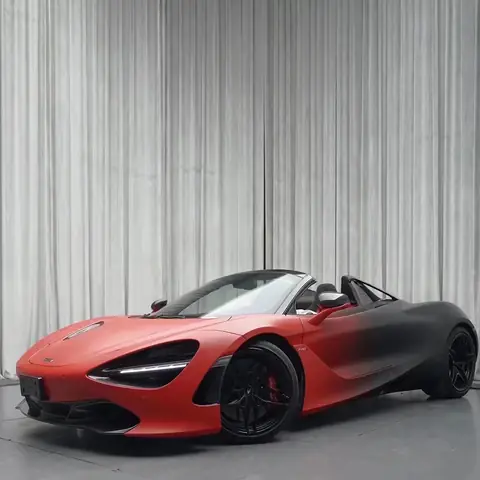
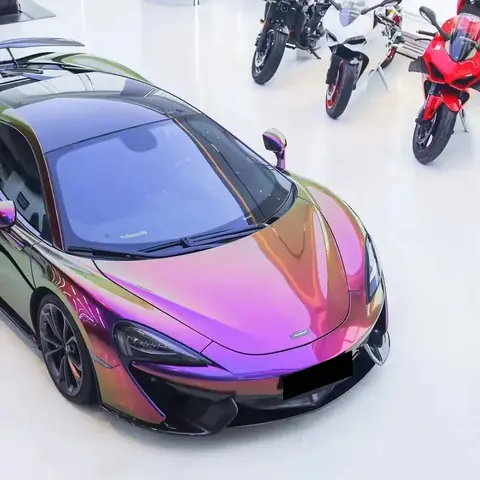
Yes. Ceramic coating for vinyl wrap is common, especially on matte, satin and color shift films that are harder to keep clean. A good coating helps the wrap shed dirt, bird droppings and water spots and can make hand washing quicker.
- Wait until the wrap has settled and edges are fully post-heated.
- Use a coating marked as safe for vinyl, and for matte or satin wraps choose one that will not add gloss.
- Never polish or compound a vinyl wrap before coating; most wraps cannot be corrected the way paint can.
- Apply thin layers and remove any high spots promptly; mistakes are hard to fix on vinyl.
Vinyl wrap vs ceramic coating
A wrap changes the car's color and covers the paint with a thin film that resists light scuffs. A coating does not change color. If the goal is protection from chips, neither is a substitute for PPF. If the goal is a new look, a wrap or color PPF does the job, and a coating can be added on top.
Ceramic coating on window tint
Ceramic window tint and ceramic coating are different products. Window tint is installed on the inside of the glass, and coatings are usually not applied to it. Glass coatings applied to the outside of windows improve water beading and visibility in rain, and they do not affect tint on the inside. Do not apply ceramic coating to fresh tint or use aggressive cleaners on the film.
Buying PPF for a detailing or film shop
Shops that offer coatings often add film as the next step up. A practical starting stock is a clear gloss PPF, a matte PPF and a small range of popular color PPF shades. Mars Decorative Film supplies clear TPU PPF in standard 1.52 × 15 m rolls, and qualified buyers can request free samples to test coating compatibility on the film before offering a combined package.
Frequently asked questions
What is better, ceramic coating or PPF?
PPF is better for physical protection against stone chips and scratches; a ceramic coating is better for gloss, water beading and easy cleaning. For a daily driver, PPF on the front plus a coating everywhere usually gives the best overall result.
Is PPF and ceramic coating the same?
No. PPF is a thick polyurethane film installed over the paint, while ceramic coating is a thin liquid layer that cures on the surface. They complement each other but do not replace each other.
Can you ceramic coat paint protection film?
Yes. Use a coating that is compatible with TPU film, apply it after the film has settled, and use a matte-safe product on matte PPF. Coating the film makes it easier to wash and adds a slick, hydrophobic finish.
Can you ceramic coat a vinyl wrap?
Yes. Choose a coating that is marked safe for vinyl, wait until the wrap has settled, and use a non-gloss coating on matte or satin wraps. Do not polish the wrap first.
Can you do both PPF and ceramic coating?
Yes. Install the PPF first, let it settle, then coat the film and the remaining paint. This order keeps the film adhesive bonded directly to clean paint.
Does ceramic coating prevent rock chips?
No. A ceramic coating is far too thin to absorb a stone strike. It may help against very light wash marring, but rock chip protection requires PPF.
How long does PPF last compared with a ceramic coating?
Quality PPF typically lasts several years depending on grade, climate and care, while ceramic coatings range from about one year to several years depending on the product and maintenance. Check the specific product's rating and care instructions.