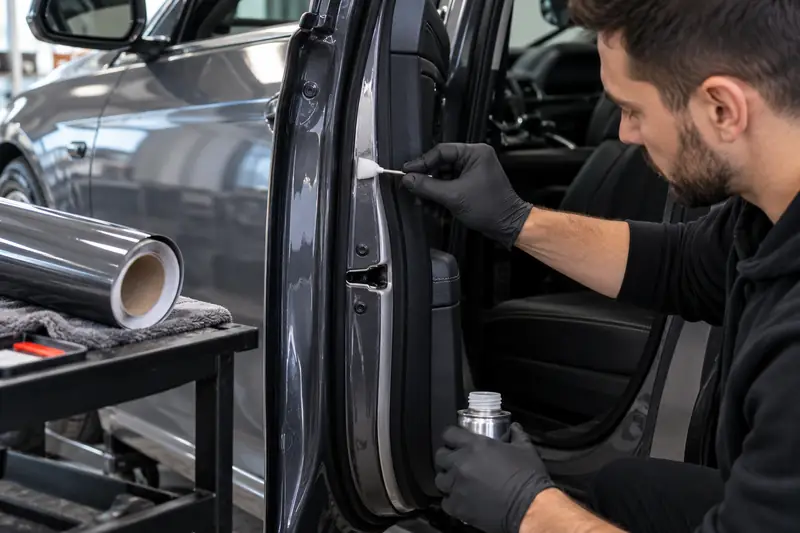
Tools & installation · 8 min read
Adhesive remover for cars: what to use on paint, glass and vinyl wrap
Adhesive remover for cars compared: citrus, solvent, alcohol and eraser wheels, which is safe on paint, glass, plastic and vinyl, plus how to use them safely.
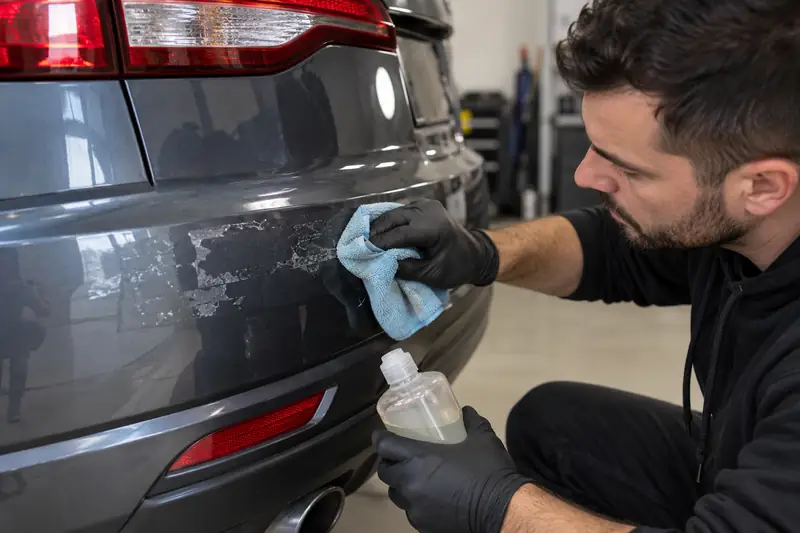
Short answer: An adhesive remover is a solvent product that softens and dissolves glue so it wipes off without scraping. For cars, citrus-based and labeled automotive solvent removers are the usual choice on cured paint, isopropyl alcohol suits light residue and glass, and an eraser wheel handles large decal areas. Always test first, ventilate, and avoid acetone on paint and plastic.
An adhesive remover is a liquid, gel or spray that softens and dissolves glue so it can be wiped away instead of scraped. On vehicles, the right adhesive remover depends on where the glue is: cured paint, glass, textured plastic, a vinyl wrap or the inside of a tinted window each tolerate different chemicals. This guide compares the main types of auto adhesive remover, explains which is safe on which surface, and covers safety basics such as ventilation, test spots and protecting the clear coat. It is written for detailers, wrap and tint shops, and owners doing their own prep.
Key takeaways
- Adhesive removers fall into a few families: alcohols, citrus (d-limonene) solvents, petroleum-distillate solvents, strong ketones such as acetone, and mechanical tools such as eraser wheels.
- On cured automotive paint, use a product labeled safe for clear coat, or isopropyl alcohol; avoid acetone and lacquer thinner.
- Glass tolerates almost every remover, but tint film, defroster lines and coatings do not.
- Plastics and vinyl wraps are the most sensitive; test every product on a hidden area first.
- Most solvent removers are flammable and give off vapors, so work in a ventilated space, wear chemical-resistant gloves and keep heat sources away.
Types of adhesive remover compared
Not every adhesive glue remover works the same way. Some dissolve the adhesive, some swell it so it lets go, and some simply lift it with friction.
| Type | How it works | Strength | Best for | Watch out for |
|---|---|---|---|---|
| Isopropyl alcohol (IPA) | Dissolves fresh acrylic adhesive | Low to medium | Light residue, glass, final wipe before film | Weak on old rubber glue |
| Citrus (d-limonene) remover | Swells and softens adhesive | Medium to high | Sticker and decal glue on paint and glass | Oily film; must be washed off |
| Petroleum-distillate solvent remover | Dissolves adhesive and tar | High | Heavy, aged glue, tar, emblem tape | Flammable vapors; test on plastic |
| Automotive adhesive remover (labeled paint-safe) | Blended solvents tuned for clear coat | Medium to high | Badge, trim tape and decal glue on paint | Follow dwell time on label |
| Acetone and lacquer thinner | Aggressive ketone and blended solvents | Very high | Bare glass or metal only | Damages clear coat, plastic and wrap |
| Rubber eraser wheel | Friction rolls glue off | High, no chemicals | Pinstripes, large decal and wrap glue areas | Heat from friction can burn paint |
| Steam | Heat softens adhesive | Medium | Tint glue on glass, large glue areas | Hot surface; slow on thick glue |
The best adhesive remover for cars is usually the mildest one that does the job on that surface. Stronger is not better if it damages what lies underneath.
Is adhesive remover safe on car paint?
Labeled automotive adhesive removers and isopropyl alcohol are generally safe on fully cured factory paint when used as directed and washed off afterward. Problems come from strong solvents, long dwell times, and fresh paint.
- Cured factory paint usually tolerates citrus and paint-safe solvent removers for the dwell time on the label.
- Fresh resprays may not be fully cured for weeks or months. Ask the body shop before using any solvent.
- Single-stage or older paint without a clear coat can transfer color to the towel; stop if you see pigment.
- Matte and satin paint can turn glossy if rubbed hard. Dab and lift rather than scrub.
After removing glue from paint, wash with car shampoo to strip solvent film, then apply wax or sealant, because most removers also strip protection.
How to remove adhesive from a car safely
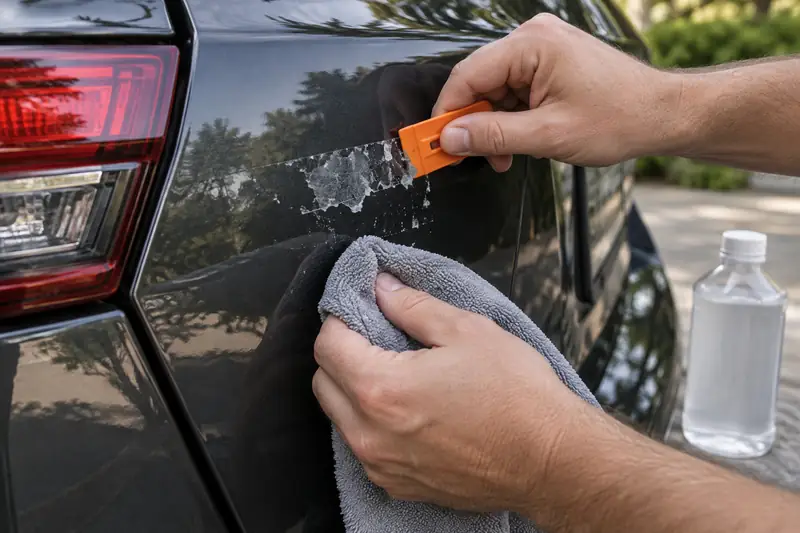
This method suits leftover decal glue, emblem tape and dealer sticker residue on painted panels.
- Ventilate and protect yourself. Work outdoors or with doors open, wear nitrile or other chemical-resistant gloves, and keep heat guns and sparks away from solvent vapors.
- Wash and dry the panel. Dirt under a towel causes scratches.
- Do a test spot. Apply the remover to a hidden area of the same surface, wait the label's dwell time, wipe, and check for softening, dulling or color change.
- Warm the glue. A hair dryer or a heat gun on low softens adhesive so less chemical is needed. Let the surface cool to warm before applying flammable solvents.
- Scrape the bulk. Use a plastic razor blade at a shallow angle.
- Apply remover and wait. Spray or wipe it on, let it dwell (commonly 30 seconds to a few minutes), and do not let it dry out.
- Wipe in one direction. Use a clean microfiber face for each pass so glue is lifted, not spread.
- Wash, dry and protect. Shampoo the area, dry it and apply a wax or sealant.
For small labels and fresh residue, our step-by-step guide on how to remove sticker residue covers rubbing alcohol, heat and plastic razors in more detail.
Remove adhesive from glass
Glass is the most forgiving surface. To remove adhesive from glass on the outside of a car, almost any remover works, followed by glass cleaner. A metal razor blade at a low angle on wet, flat exterior glass is also acceptable.
Inside the car, take more care:
- Rear windows have defroster lines and sometimes antenna traces that a blade or harsh scrubbing can break.
- Windows with tint film should be cleaned only with tint-safe, ammonia-free cleaners and a soft towel.
- Windshields may carry coatings or sensor areas that should not be scraped.
Window tint adhesive remover
When old tint peels, its adhesive often stays on the glass as a cloudy, sticky layer. Window film adhesive remover products, soapy water, steam and a plastic or metal blade (only where safe) all play a part. Many tinters soak the glue with soapy water or a solvent remover, cover it with plastic so it does not dry, then scrape. Our guide on how to remove window tint walks through the full process, including the rear defroster.
Remove adhesive from plastic, metal and other materials
Plastic is where adhesive removers cause the most damage. To remove adhesive from plastic trim and bumpers, start with isopropyl alcohol and only move to citrus or solvent removers after a test spot. Acetone can melt or craze many plastics within seconds.
For other materials you may meet on or around a vehicle:
- Bare metal such as exhaust tips or tools tolerates strong solvents, including acetone, as long as no paint or plastic is nearby.
- Fabric and carpet react unpredictably; blot with a small amount of alcohol or citrus remover, then clean with upholstery shampoo.
- Wood trim and other wood usually has a lacquer finish; use mild citrus remover or a little oil, test first, and avoid soaking.
- Rubber seals can swell with petroleum solvents, so wipe quickly and rinse.
Will acetone remove adhesive?
Yes, acetone removes many adhesives very quickly, but it is a poor choice on most car surfaces. It can soften or dull automotive clear coat, melt many plastics, and damage vinyl wrap and tint film. Reserve it for bare glass, bare metal or tool cleaning, with good ventilation and no ignition sources, because acetone is highly flammable.
Vinyl adhesive remover and wrap removal solvent
When a wrap or decal comes off, it can leave adhesive behind, especially on older or sun-baked film. A vinyl adhesive remover, sometimes sold as vinyl wrap removal solvent or vinyl decal remover, is usually a citrus or solvent blend designed to lift wrap glue from paint.
Shops typically:
- Peel film warm and slowly so most adhesive leaves with the vinyl.
- Use an eraser wheel on large areas of residue, at low speed.
- Finish with a paint-safe adhesive remover and an IPA wipe.
The full process, including heat, peel angles and what to do with brittle film, is in our guide on how to remove a car wrap safely. To clean spots on a wrap that is staying on the car, use only mild products; see car wrap care.
Choosing an adhesive remover: quick guide
| Situation | First choice | Step up to |
|---|---|---|
| Fresh sticker residue on paint | Isopropyl alcohol 70–90% | Citrus or paint-safe automotive remover |
| Old decal or emblem tape on paint | Heat, plastic blade, paint-safe remover | Eraser wheel at low speed |
| Tint glue on glass | Soapy water, steam and a blade | Window tint adhesive remover |
| Residue on textured plastic trim | Alcohol and a soft brush | Tested citrus remover |
| Glue left after wrap removal | Warm peel, then remover | Eraser wheel on large areas |
| Bare metal parts | Solvent remover | Acetone, with ventilation |
Prep before new film
After glue is removed, the surface still carries solvent film and oils that stop new vinyl, PPF or tint from bonding. Wash, then wipe with an isopropyl alcohol solution just before installing. Some shops also use a primer on edges and recesses; our guide to adhesion promoter for vinyl wrap explains when that helps.
Sourcing film and tools for your shop
Mars Decorative Film does not make adhesive removers, solvents or cleaning chemicals, so buy those from a chemical supplier and follow their safety data sheets. What we do supply is the film and installation hardware that comes after prep: wrap tools such as squeegees, knives and tapes, window tint film and PVC vinyl wrap, with an MOQ of one roll and mixed colors per order. Shops can request free samples to test adhesion on their own prepared panels.
Frequently asked questions
How do you remove adhesive from a car?
Warm the glue gently, scrape the bulk off with a plastic razor, then apply a paint-safe adhesive remover or isopropyl alcohol and wipe in one direction. Wash and dry the area and re-apply wax or sealant, because removers strip protection.
What is the best adhesive remover for cars?
There is no single best product for every surface. For cured paint, a citrus-based or labeled paint-safe automotive remover works on most glue, while isopropyl alcohol handles light residue and glass. Large decal areas are often fastest with a rubber eraser wheel.
Will acetone remove adhesive from a car?
Acetone dissolves most adhesives, but it can soften clear coat, melt plastic and damage wrap or tint film. Use it only on bare glass or bare metal with good ventilation. On paint, choose a remover labeled safe for automotive finishes.
How do you remove adhesive glue from plastic?
Start with warm soapy water, then isopropyl alcohol on a microfiber towel. If the glue remains, test a citrus remover on a hidden area before using it more widely. Avoid acetone and lacquer thinner, which can melt or craze plastic.
How do you remove adhesive from metal?
Bare metal tolerates strong solvents, so a solvent remover or acetone will usually lift adhesive quickly. Keep the chemical off nearby paint, plastic and rubber, ventilate the area, and wipe the metal clean and dry afterward.
How do you remove adhesive from car glass?
On exterior glass, soften the glue with alcohol or a remover and lift it with a razor blade held flat on wet glass. Inside, especially on rear windows with defroster lines or tinted glass, use only a plastic blade, a soft towel and a tint-safe remover.