Window tint · 7 min read
35% tint on a car: how dark it looks and whether it suits you
35 window tint explained: how 35% tint looks on a car before and after, day vs night, 30 vs 35 vs 40, 35 vs 20 and 50, windshield use and ceramic options.
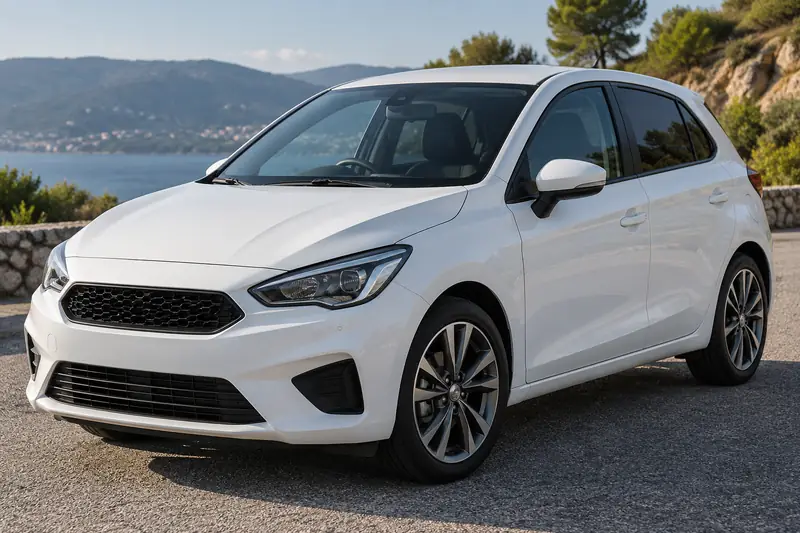
Short answer: 35 window tint lets about 35% of visible light through. On a car it gives a clearly tinted, medium-dark look: you can still see people inside at close range, glare drops noticeably, and night visibility stays good. It is the most popular all-around shade for first-time tint and is often chosen for front side windows where local rules allow.
35 window tint is film with a visible light transmission (VLT) of about 35%, so it blocks roughly 65% of visible light. It is the middle of the automotive tint range and, for many shops, the single most common shade on the board. This guide is for owners asking "will 35% suit my car?" and for installers who need a clear way to explain it. It covers what 35% tint looks like on a car before and after, how dark it is from inside and at night, 30 vs 35 vs 40, 35 vs 20 and 50, whether 35 belongs on a windshield, and when ceramic 35 film is worth paying for.
Key takeaways
- 35% tint has a VLT of about 35%, which reads as "medium" tint: obviously darker than factory glass but not private.
- From outside in daylight you can usually see the driver and passengers through 35% tint, especially from the front or side at close range.
- From inside, 35% tint feels like light-to-medium sunglasses and stays comfortable to drive with at night.
- 30% and 40% look very similar to 35% on most cars; 20% is clearly darker and 50% clearly lighter.
- 35% is far darker than most rules allow on a full windshield; windshields usually get a sun strip or a very light clear film instead.
- Ceramic 35% film adds strong infrared heat rejection without making the glass any darker.
What is 35 tint and what does 35% mean?
35 tint means window film that transmits about 35% of visible light. VLT (visible light transmission) is the percentage of visible light that passes through, so a higher number is lighter. 35% sits between dark shades (5–20%) and light shades (50–70%), as shown on our tint percentage chart.
The number describes the film itself. After installation on clear factory glass, a meter typically reads a few points lower, often in the low 30s. That is why a car near a legal limit may need a slightly lighter film than the number suggests.
What does 35 tint look like on a car?
On a car, 35% tint gives a clean, finished look. The glass reads as tinted from any distance, reflections are richer, and the interior becomes darker and less detailed, yet you can still see who is driving. Most people describe it as "classy" or "factory-plus" rather than "blacked out".
How dark 35 looks varies with:
- Light direction. With the sun behind the viewer, 35% looks fairly see-through. With the sun behind the car, it looks darker.
- Interior color. A black interior makes 35% tint look darker from outside; a beige or grey interior makes it look lighter.
- Paint color. On white, silver and light grey cars the tinted glass stands out more; on black cars 35% can look subtle.
35 window tint before and after
Before tint, factory side glass usually transmits roughly 70–90% of light, and the interior is easy to see. After 35% tint, the interior detail fades, dashboards and seats become dark shapes, and glare on sunny days drops. Drivers often notice less squinting and a cooler feel on their arms when the film is a ceramic type.
How dark is 35 tint from inside and at night?
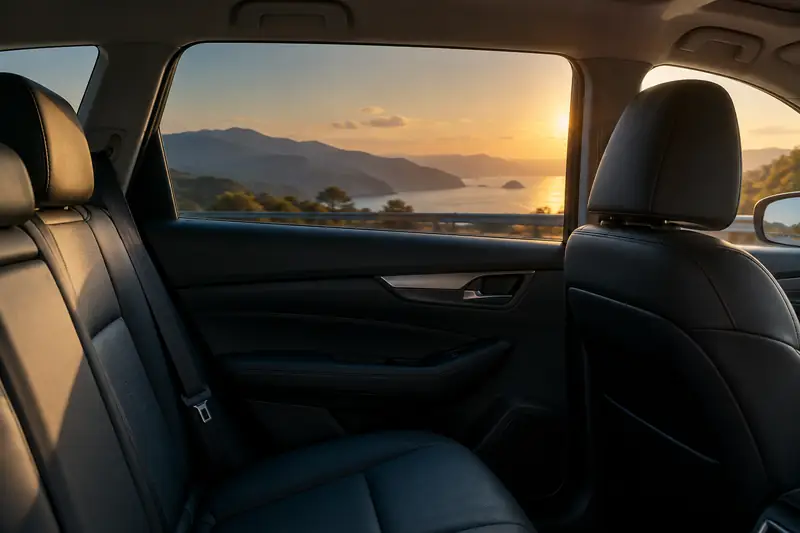
From inside, 35 tint feels like light-to-medium sunglasses. Colors remain natural, mirrors are easy to read, and you stop noticing the film within a day or two.
At night, 35% is the darkest shade most drivers describe as "no real problem". Lit streets, signs and other cars look normal, and unlit areas are only modestly dimmer than with clear glass. That is why 35% is commonly recommended on front side windows, where the driver looks for pedestrians and checks mirrors, even when the rear windows are darker.
30 vs 35 vs 40 tint: how much difference do 5 points make?
Very little at a glance. On the same car, 30%, 35% and 40% tint look similar from 5 meters away. The difference shows in side-by-side comparisons, at night from inside, and on a meter.
- 30 percent tint is a touch darker and more private. What does 30 tint look like on a car? Medium-dark, with faces less visible than at 35%. It suits owners who want slightly more privacy without stepping down to 20%.
- 35 percent tint is the middle ground most shops recommend first.
- 40 percent tint is slightly lighter and helps if the factory glass already reads low or local limits are close to 35%.
Not every shop stocks all three. Many keep 35% and add 30% or 40% only on request.
35 tint vs 20 and 35 vs 50: neighboring shades compared
Against 20%, 35% is roughly 75% more light, and the difference is obvious. Against 50%, 35% is darker but both stay comfortable at night.
| Shade | Approx. VLT | Look from outside | Night view from inside | Typical choice for |
|---|---|---|---|---|
| 20% | ~20% | Dark charcoal | Fair | Rear windows, darker style |
| 30% | ~30% | Medium-dark | Good | All around, a bit more privacy |
| 35% | ~35% | Medium | Good | Front doors, first-time tint |
| 40% | ~40% | Medium-light | Very good | Near-limit fronts |
| 50% | ~50% | Light | Very good | Heat control with a light look |
35 percent tint vs 20
Choose 20% if privacy and a darker style matter more than night visibility; see the 20% tint guide. Choose 35% if you want a tinted look you can drive with comfortably at night and that fits more front-window limits. A common split is 20% rear and 35% front.
35 vs 50 tint
Choose 50% if you mainly want heat and UV control without an obviously dark look; see the 50% tint guide. Choose 35% if you want people to notice the tint. With ceramic film, both shades can reject a similar share of infrared heat, so the decision is mostly about appearance.
Can you put 35 tint on a windshield?
35% across the full windshield is darker than most road rules allow and is not recommended for night driving. Most places limit the windshield to a strip at the top, above the AS-1 line or a set distance from the top edge, and some allow a very light, nearly clear film on the rest.
Searches for "35 windshield tint" usually mean one of two things:
- A top sun strip in a darker shade, which is common and often legal within the allowed band. See the windshield sun strip guide.
- A full windshield film, where owners are usually better served by a light ceramic film around 70% VLT, covered in the 70% tint guide.
Check current windshield rules with your local DMV or transport authority. The window tint laws guide explains how the windshield, front, rear and AS-1 rules are usually structured.
Ceramic 35 tint vs carbon and dyed: what changes?
At 35%, ceramic film is where the extra cost makes the most visible difference in comfort. A dyed 35% film controls glare but lets much of the infrared heat through. A ceramic 35% film looks the same darkness yet blocks far more infrared, so the cabin heats up more slowly and sun on your arm feels milder.
- Dyed 35%: lowest price, good glare control, modest heat rejection, may fade over years.
- Carbon 35%: stable charcoal color, better heat rejection than dyed, matte appearance.
- Ceramic 35%: best heat rejection at this shade, high clarity, no signal interference.
If someone wants a 35 auto tint for comfort rather than looks, ceramic is usually the better buy. Compare types in ceramic vs carbon vs dyed tint and see real-world effects in heat rejection window tint.
Stocking 35% tint for your shop
Because 35% is the default recommendation for many customers, it is usually the fastest-moving roll in a tint shop. Shops often carry it in at least two grades, plus 30% or 40% for customers near a legal limit.
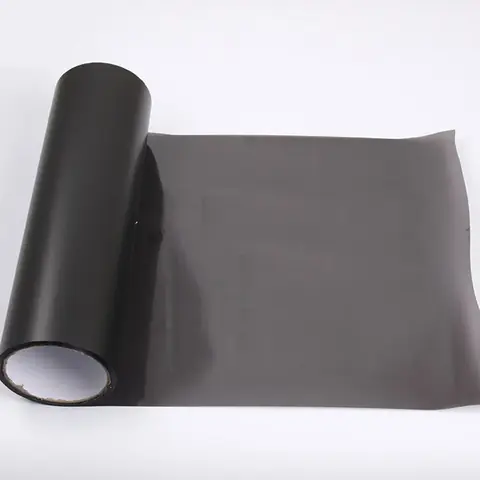
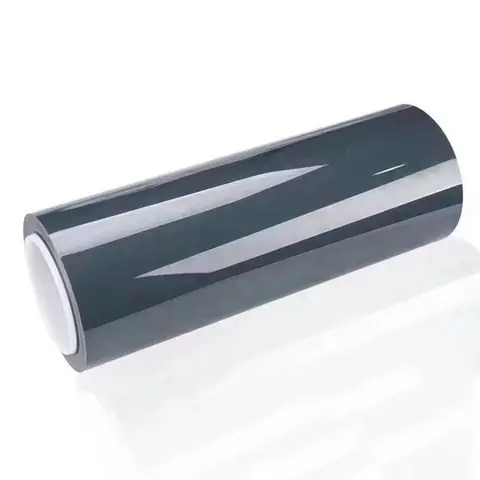
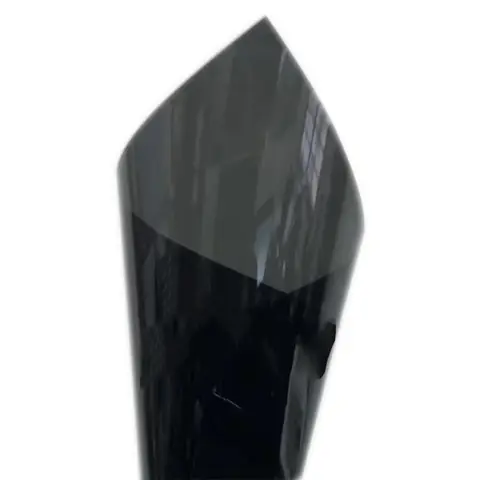
Mars Decorative Film manufactures window tint film in standard VLT shades and grades, with an MOQ of one roll and mixed shades in a single order. That lets a shop add 35% ceramic and a lighter 40% without overstocking either. Shops can request free samples to compare tone and clarity, or use our OEM and private label service to sell film under their own brand.
Frequently asked questions
What does 35 tint look like?
35 tint looks medium-dark. From outside you can usually see the driver and passengers in daylight, especially up close, but interior details fade. It looks clearly tinted on any paint color without the blacked-out effect of 5% or 20%.
How dark is 35 window tint?
35 window tint blocks about 65% of visible light. From inside it feels like light-to-medium sunglasses and remains easy to see through at night. It is lighter than 20% and darker than 50%.
How dark is 30 tint?
30% tint blocks about 70% of visible light, so it is slightly darker than 35%. On most cars the difference from 35% is subtle from outside but noticeable side by side and at night from inside.
What does 40 tint look like?
40% tint looks like a lighter version of 35%. The glass is clearly tinted, but you can see the interior more easily. Owners choose it when they want a modest tinted look or when factory glass is already slightly dark.
Is 35 tint dark enough for privacy?
Not for full privacy. 35% makes it harder to see interior details and items left on seats, but people can still see occupants in daylight. For real privacy, most owners pick 20% or darker on the rear windows.
Is 35 ceramic window tint worth it?
Yes if you want comfort. Ceramic 35% film blocks much more infrared heat than dyed 35% film while looking the same darkness, and it keeps its color longer. It costs more, so it makes most sense in sunny climates or for long commutes.