Window tint · 7 min read
50% window tint: light tint for heat control without the dark look
50 windshield tint and 50% window tint explained: how 50 tint looks before and after, 50 vs 70 windshield tint, night driving, ceramic 50 film and legality.
Short answer: 50 windshield tint is film that lets about 50% of visible light through, giving a light, smoky tint that cuts glare and, in ceramic versions, blocks a large share of infrared heat. On side windows it looks subtle. On a windshield it is noticeably dark at night, and many places do not allow it, so most full-windshield films are closer to 70% VLT.
50 windshield tint and 50% window tint describe film with a visible light transmission (VLT) of about 50%: half the visible light passes through and half is blocked. It is the shade for people who want cooler, less glary glass but do not want a dark-tinted look. This guide is for owners weighing light tint and for installers who get asked about tinting front windshields. It covers what 50% tint looks like on side windows and windshields, how it behaves at night, 50 vs 70 percent windshield tint, 45 and 55 shades, ceramic 50 film, legality and whether it is worth it.
Key takeaways
- 50% tint has a VLT of about 50%, so it looks light and smoky rather than dark.
- On side windows, 50 tint on windows is subtle: the interior stays clearly visible from outside.
- On a full windshield, 50% is darker than many drivers expect at night, and many places do not allow it.
- 70% film is the more common choice for a full windshield; 50% is more common on side windows.
- Most of the heat benefit of light tint comes from ceramic or other infrared-blocking layers, not from darkness.
- 50% is a good fit for drivers who want glare and heat control, need good night vision, or live where dark tint is restricted.
What does 50 tint look like?
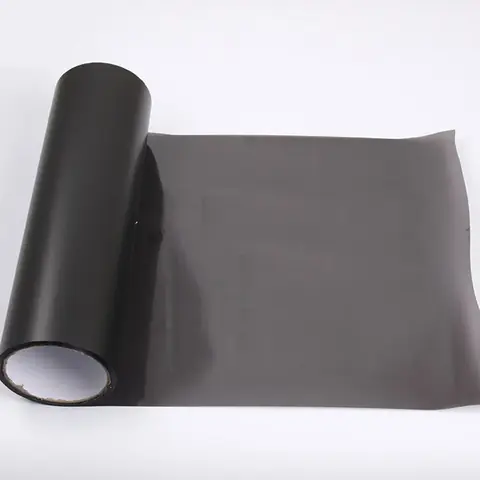
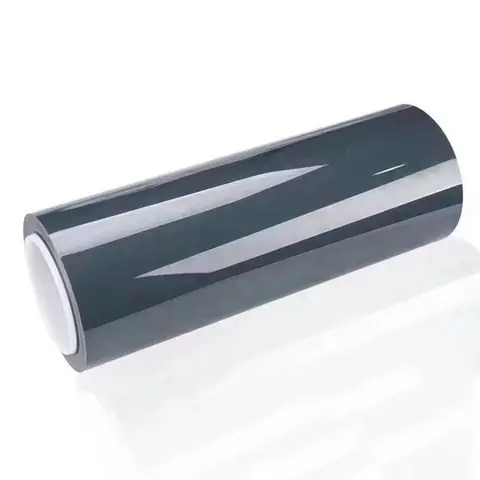
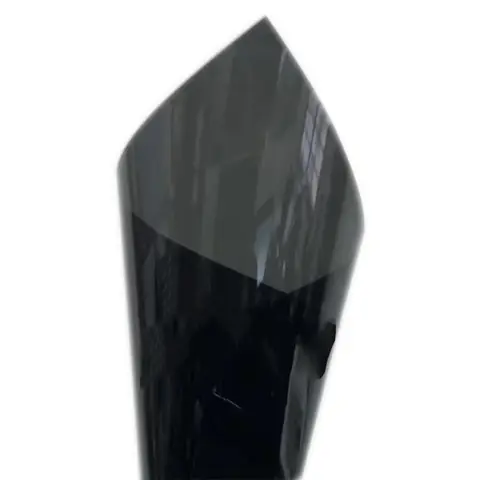
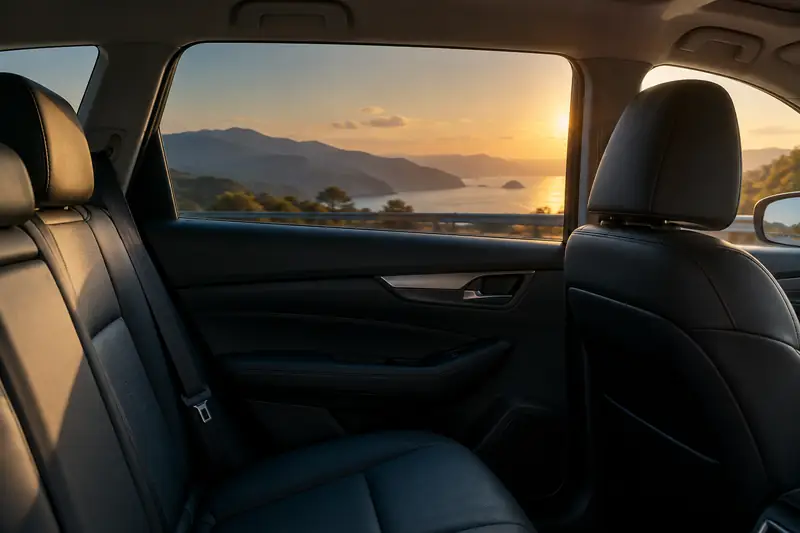
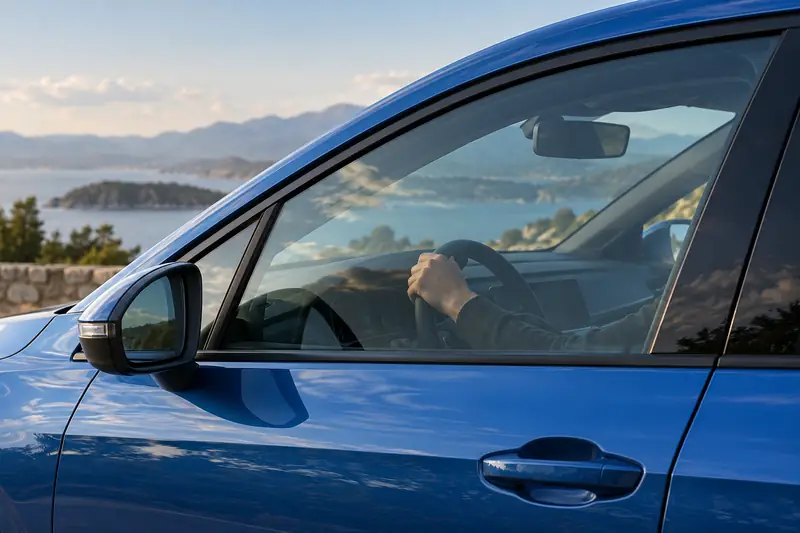
50% tint looks like lightly smoked glass. From outside, you can see occupants, the dashboard and seats clearly, but the glass takes on a soft grey tone and reflections look a little richer. Many people describe it as "factory glass, but better".
50 window tint before and after
Before tint, clear side glass typically transmits about 70–90% of visible light. After 50% film, the view into the car is only modestly reduced, while the glass looks more uniform and less washed out. The bigger change is felt inside: less squinting on bright days and, with a ceramic film, less heat on your skin through the side glass.
On a car with factory privacy glass in the rear, 50% on the front doors usually will not match the rear. Owners wanting a matched look tend to choose 20–35% on the fronts instead; see the 35% tint guide.
How dark is 50 tint from inside and at night?
From inside, 50% tint is mild. It feels like light sunglasses during the day and is easy to forget about. Colors and mirror views stay natural.
At night, 50 window tint at night is comfortable on side windows for most drivers. On the windshield it is a different story: you look through the windshield constantly, at a steep angle, often at oncoming headlights, and halving the light makes unlit pedestrians and road markings harder to see. A 50 windshield tint at night is the most common regret customers report with light film, which is why shops usually steer full-windshield customers to 70% or lighter.
50 vs 70 percent windshield tint
For a full front windshield, 70% is the more common and safer choice; 50% is darker and more noticeable. The main reasons owners tint the windshield at all are heat and glare, and a good ceramic 70% film can provide much of that without a visible darkening.
| 50% windshield film | 70% windshield film | |
|---|---|---|
| Visible light through | ~50% | ~70% |
| Look from outside | Lightly smoked | Close to clear |
| Night driving | Noticeably dimmer | Close to untinted |
| Glare reduction | Strong | Moderate |
| Heat rejection (ceramic) | High | High, slightly lower |
| Legality | Not allowed in many places | Allowed in more places, still varies |
Total VLT is what counts. Windshields are laminated glass and already transmit less than 100% of light, typically in the 70–90% range depending on the glass and any factory shade band. Put 70% film on that glass and the reading may land in the 50s or 60s; put 50% film on it and you may land in the high 30s or 40s. Our VLT guide explains how film and glass combine.
If you want a full windshield film, start with the 70% tint guide. If you mainly want to cut sun at the top of the glass, a windshield sun strip is often the simpler answer.
50 tint all around vs mixed shades
50 tint all around means the same 50% film on every side window and the back glass. It looks even and light and keeps visibility high, which suits drivers in areas with strict tint rules, older drivers, rideshare drivers who want passengers to feel comfortable, and owners of classic cars who want heat control without changing the look.
Common combinations include:
- 50% all around plus a top windshield strip, for a light, consistent look.
- 35% fronts with 20% rears, for a tinted look with privacy where it matters.
- 50% fronts with darker rears, when the front limit is strict and the rear limit is looser.
- Factory privacy rear glass with 50% or 70% ceramic on the fronts for heat only.
45, 50 and 55 percent tint
45% and 55% are less common shades that some shops offer to land close to a legal limit after accounting for the glass. 45 percent tint looks slightly darker than 50%; 55 window tint looks slightly lighter. On a car, the difference between 45, 50 and 55 is hard to see from outside and shows mainly on a meter.
If you are near a limit, ask the installer to meter your glass first and choose the film that keeps the total reading on the right side of the rule.
Ceramic 50 tint vs dyed 50%
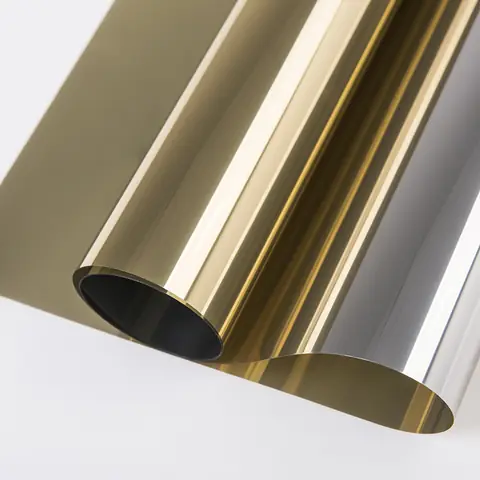
At light shades, film type matters more than at any other point. A dyed 50% film does little more than cut some glare, because darkness is its main tool and 50% is not very dark. A ceramic 50% film uses non-metallic nano ceramic particles to block a large share of infrared (IR) light, the invisible part of sunlight that you feel as heat.
- Dyed 50%: inexpensive, light glare control, modest heat rejection.
- Carbon 50%: stable color, moderate heat rejection.
- Ceramic 50%: strong IR rejection with a light look; no interference with phones, GPS or toll tags.
For a 50 percent tint film, ceramic is usually the reason to do it at all. Read ceramic window tint explained and heat rejection window tint for how heat rejection numbers like TSER and IR rejection compare.
Is 50% tint legal on side windows and the windshield?
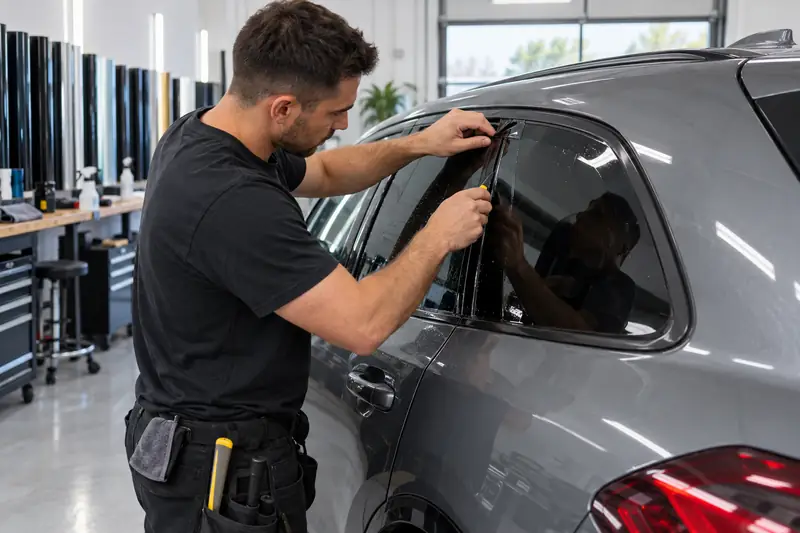
It depends on location and window position. On side windows, 50% is lighter than many front-side limits, so it is often within the rules where darker shades are not, but some places require even lighter front glass. On the windshield, many places allow tint only above the AS-1 line or within a top band, and a full 50% windshield film is outside the rules in many jurisdictions.
Check the current limits for each window with your local DMV or transport authority, and remember that limits usually apply to the total reading of glass plus film. The window tint laws guide explains how these rules are structured.
Is 50 tint worth it?
50 tint is worth it if you want heat and glare control, need good night visibility, or live where darker tint is restricted, and if you choose a ceramic or other IR-blocking film. It is less worth it if you want privacy or a dark look, since 50% does not provide either. A dyed 50% film on its own gives limited benefit for the cost of installation.
Stocking light tint for your shop
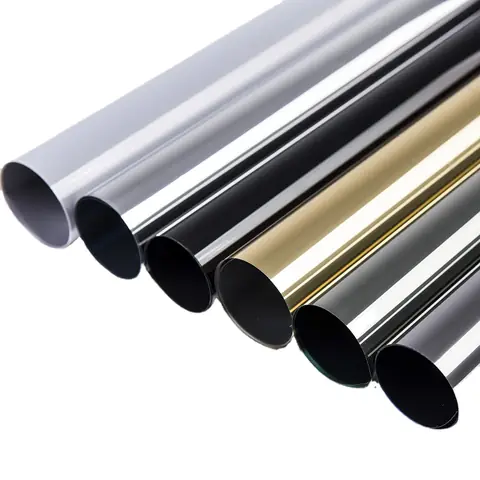
Light shades sell steadily to customers who want comfort rather than looks, and they are the main upsell path to ceramic film. Most shops stock 50% and 70% ceramic alongside darker shades and keep a roll wide enough for full windshields.
Mars Decorative Film makes window tint film across standard VLT shades, including light shades, with an MOQ of one roll and mixed shades in one order. In-stock film ships in about three business days. Shops can request free samples to check clarity and color tone on their own glass before stocking, and the best window tint for cars guide is a useful reference for counter conversations.
Frequently asked questions
What does 50 percent tint look like?
50 percent tint looks like lightly smoked glass. From outside you can clearly see people and the interior, but the glass has a soft grey tone. Most people find it subtle and close to a factory look.
How dark is 50 tint?
50 tint blocks about half of visible light. From inside it feels like light sunglasses and is easy to see through at night on side windows. It is noticeably lighter than 35% and darker than 70%.
Is 50 tint worth it?
It is worth it if you choose a ceramic or IR-blocking film and want heat and glare control without a dark look. If your goal is privacy or a blacked-out style, 50% will not deliver it. A dyed 50% film offers limited heat benefit.
Is 50 or 70 better for a windshield?
For most drivers, 70% is the better full-windshield choice because it keeps night visibility close to untinted glass and is allowed in more places. 50% blocks more glare but is darker at night and restricted in many jurisdictions. Check local rules before choosing either.
Can you drive at night with 50 windshield tint?
Many people do, but visibility is noticeably reduced, especially on unlit roads and in rain. Unlit pedestrians and road markings are harder to see than through clear glass. That is why installers often recommend 70% or lighter for full windshields.
Does 50 ceramic tint reduce heat?
Yes. A ceramic 50% film blocks a large share of infrared heat while staying light, so cabins warm up more slowly and sun on your skin feels milder. A dyed 50% film rejects much less heat because it relies on darkness alone.