Window tint · 8 min read
Windshield tint strip: sun strip size, color, legality and install
Windshield tint strip guide: what a sun strip is, typical size and the AS-1 line, shade and color choices, legality caveats and how to install one.
Short answer: A windshield tint strip, or sun strip, is a band of tint film across the top of the windshield that cuts glare from low sun and overhead light. It usually runs from the top edge down to the AS-1 line or a set distance, often around 4 to 6 inches, and is commonly 5% to 35% VLT in charcoal, black or blue tones.
A windshield tint strip is a band of window film applied across the top of the front windshield to block glare from low sun, streetlights and bright sky. It goes by many names: sun strip, visor strip, eyebrow, front strip tint or windscreen tint strip. This guide is for drivers thinking about a sun strip and for tint shops that install them every day. It covers what a windshield sun strip does, how wide it is, where the AS-1 line sits, which shades and colors work, top and bottom strips, the legal caveats, typical prices and a step-by-step installation method.
Key takeaways
- A windshield tint strip is a horizontal band of tint film across the top of the windshield, acting like a permanent sun visor.
- Most strips stop at the AS-1 line or a set distance from the top edge, commonly somewhere around 4–6 in (10–15 cm).
- Popular shades run from 5% to 35% VLT; 5% and 15% give the strongest glare cut, 35% looks more subtle.
- Charcoal and black are most common; blue, green and brown window tint are also used for strips.
- Strips are usually installed on the outside of the glass to shape the film, then applied on the inside.
- Rules on strip width and darkness vary by location, so check local rules before installing.
What is a windshield sun strip?
A windshield sun strip is a narrow piece of tint film on the top portion of the windshield. It reduces glare when the sun is low in the sky or high and bright, and it blocks some heat and UV over the driver's head. Unlike a fold-down sun visor, it is always in place and does not block the view straight ahead.
Sun strips are common on cars, pickup trucks and vans. Truck visor tint is popular because a tall windshield lets more sky glare in at the top. Some owners also like the look: a dark visor strip tint gives the windshield a finished, framed line that matches tinted side windows.
How wide should a windshield tint strip be?
Most windshield tint strips run from the top edge of the glass down to the AS-1 line or to a fixed distance from the top, often in the region of 4–6 in (10–15 cm), depending on the vehicle and local rules. On tall truck and van windshields, strips are sometimes deeper.
What is the AS-1 line?
The AS-1 line is a small marking printed near the top corners of many windshields, often with the letters "AS-1" or "AS1". It indicates the boundary above which tint or shading is generally allowed under the glazing standards many jurisdictions reference. Many tint rules say a strip may not extend below the AS-1 line, while others use a measurement from the top edge instead. If your windshield has no visible AS-1 marking, ask a shop how they measure it locally.
| Strip choice | Typical depth | Typical shade | Notes |
|---|---|---|---|
| Classic sun strip | To the AS-1 line | 5–20% | Strong glare cut, clean look |
| Narrow strip | 3–4 in (8–10 cm) | 5–35% | For low-mounted mirrors or strict areas |
| Deep truck strip | 5–7 in (13–18 cm) | 15–35% | Tall windshields; check limits |
| Light full film plus strip | Strip to AS-1, rest of glass light film | Strip 5–20%, glass ~70% | Glare at top, heat control on the whole glass |
Before cutting, check that the strip will not cover the rear-view mirror base area too heavily or block cameras and sensors mounted behind the windshield. Many modern cars have lane-keeping or rain sensors in a black frit area near the mirror; the strip should stop at or trim around that area.
Which shade and color is best for a sun strip?
For glare, darker is more effective: 5% and 15% strips block the most light and are the most common. 20% and 35% strips look subtler and are chosen where rules are strict or the owner prefers a lighter band.
Color options:
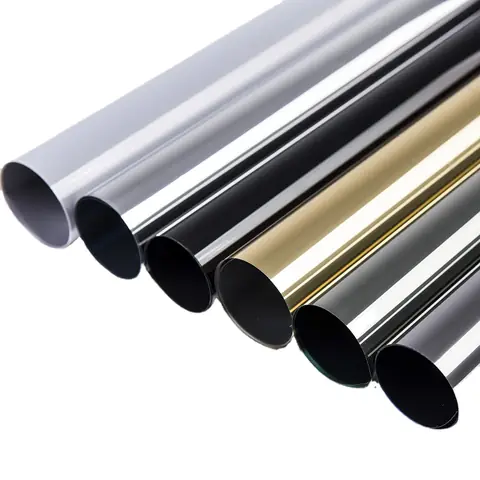
- Charcoal or black. The default. Neutral, matches most side tint, and looks clean.
- Blue or green. A classic look on older cars and trucks; some factory windshields already have a blue or green shade band.
- Brown window tint. Brown car window tint and light brown window tint give a warmer tone that some drivers find easier on the eyes. Brown auto window tint is less common today but still requested for classic and vintage builds.
- Graduated films. Some strips fade from dark at the top to lighter at the bottom so there is no hard edge.
For how VLT shades compare, see window tint percentages explained. For heat control on the rest of the windshield, a clear ceramic film like the one in the 70% tint guide is the usual partner to a dark strip.
Windshield tint strip top and bottom
A windshield tint strip top and bottom means a strip at the top for glare plus a narrow strip along the bottom edge. The bottom windshield tint strip is mainly cosmetic, covering the dot-matrix frit, or helps reduce reflections of the dashboard in the glass on some cars.
Bottom strips are less common and are more often outside the rules, because the lower part of the windshield is in the driver's main field of view. If you want one, keep it very narrow and confirm it is allowed where you drive.
Is a front windshield tint strip legal?
In many places a front windshield tint strip is allowed within limits, but the details vary. Rules may set the maximum depth (AS-1 line or a number of inches from the top), whether the strip may be any shade or must meet a minimum VLT, and whether reflective or mirror film is allowed. A few places restrict any non-transparent material on the windshield.
General guidance:
- Keep the strip above the AS-1 line or within the stated distance from the top.
- Avoid mirrored or highly reflective film on the windshield.
- Keep the strip clear of the driver's direct line of sight and any windshield-mounted sensors.
- Check current rules with your local DMV or transport authority; they change.
Our window tint laws guide explains how windshield, AS-1 and side-window rules are typically structured.
How to install a windshield tint strip
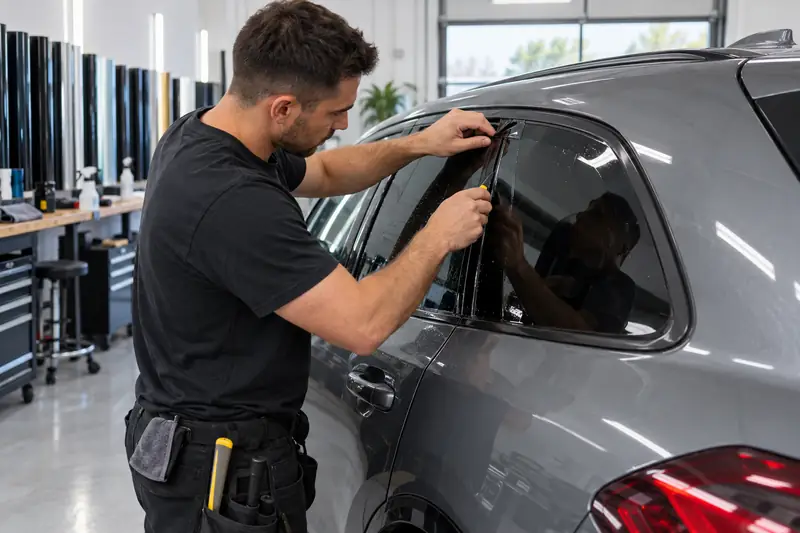
Installing a windshield sun strip is one of the easier tint jobs, but windshields are curved in two directions, so the film needs heat shrinking. Shops typically follow these steps:
- Clean the glass inside and out. Scrape the inside top area with a clean blade, then wash with slip solution and wipe dry. Any dust trapped under the strip will show.
- Measure and mark. Find the AS-1 line or measure down from the top edge, and mark the bottom line on the outside with tape or a marker on tape.
- Cut a blank. Cut a piece of film slightly wider and deeper than the strip area.
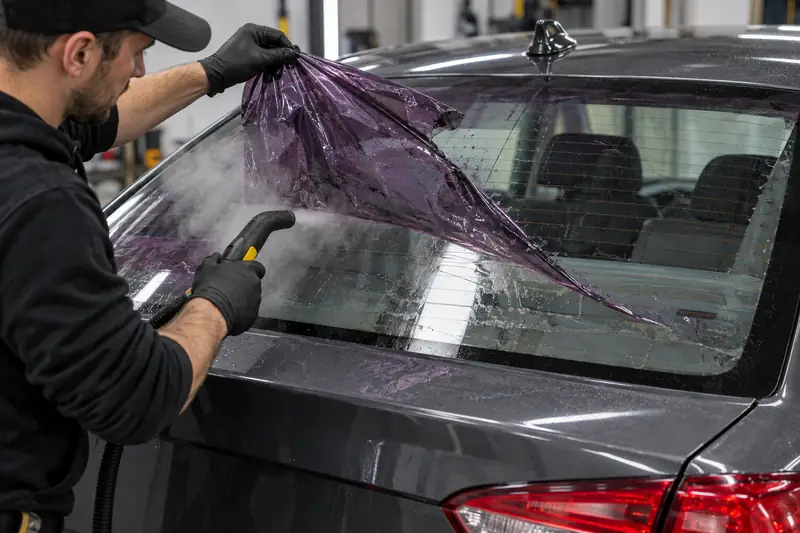
- Shape on the outside. Spray the outside glass, lay the film liner side out, and heat shrink the "fingers" that form at the top edge until the film lies flat to the curve.
- Trim to size. Cut the bottom line straight along your marks and trim the top edge to sit just inside the visible edge of the glass or the frit.
- Apply on the inside. Peel the liner while spraying the adhesive, transfer the film inside, and position it from the top down.
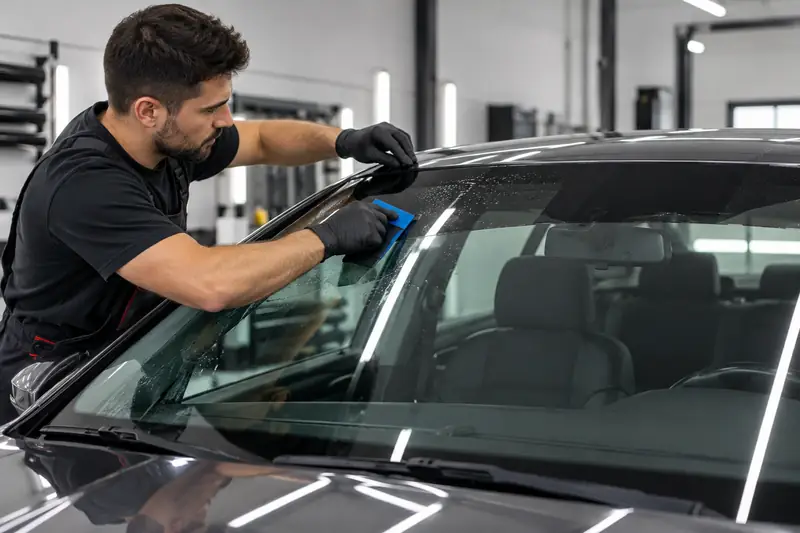
- Squeegee and finish. Squeegee water out from the center toward the edges, wrap a hard card around the bottom edge, and wipe the edges dry.
For tools and technique in more depth, see how to tint car windows and window tint tools. Expect the film to look a little hazy for a few days while moisture dries, as covered in window tint aftercare.
Front windshield tint strip price
A professionally installed sun strip is usually one of the least expensive tint services. In many markets, a front windshield tint strip price falls roughly in the USD 30–100 range, and more for ceramic film, larger trucks or a strip combined with a full windshield film. Prices vary by market, vehicle and shop. The full picture is in how much it costs to tint car windows.
Supplying sun strip film for your shop
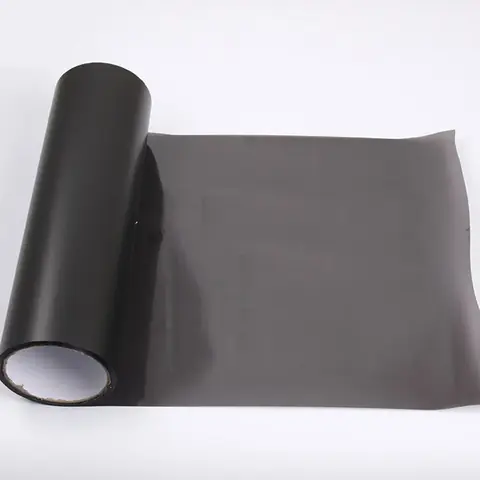
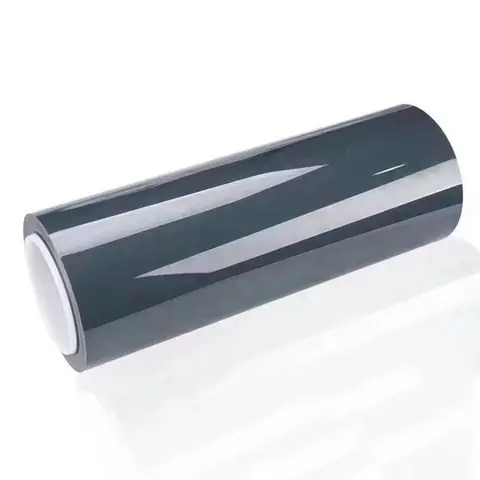
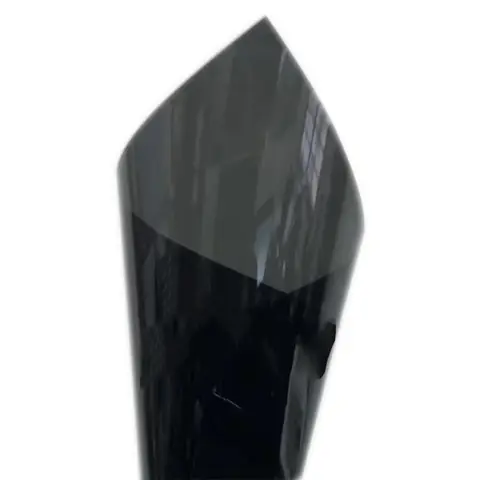
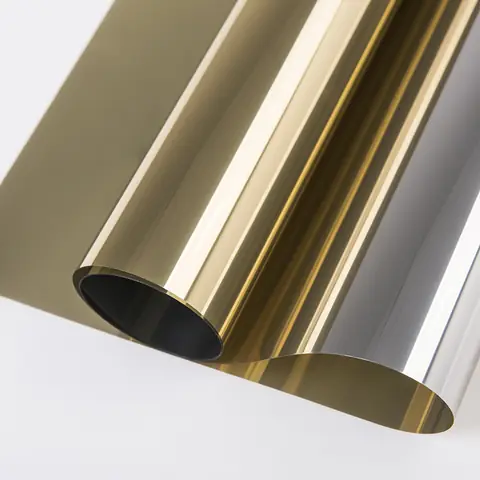
Shops use offcuts from side-window rolls for many strips, but a dedicated roll in the most requested strip shades saves time and keeps color consistent. Dark charcoal shades move fastest, with some demand for blue, green or brown in classic-car markets.
Mars Decorative Film makes window tint film in a range of shades, with an MOQ of one roll and mixed shades in one order, and supplies installation tools such as squeegees and knives. Shops can request free samples to test shrink behavior on a curved windshield before stocking.
Frequently asked questions
What is a sun strip on a windshield?
A sun strip is a band of tint film across the top of the windshield that cuts glare from the sun and bright sky. It works like a permanent sun visor that does not block the view ahead. It is also called a visor strip, windshield strip or eyebrow.
How wide is a windshield tint strip?
Most strips run from the top edge down to the AS-1 line or a set distance, often around 4 to 6 inches. Tall truck and van windshields may have deeper strips. The allowed depth depends on local rules, so check before cutting.
What tint percentage is best for a sun strip?
5% and 15% give the strongest glare reduction and are the most common. 20% and 35% look lighter and more subtle. Choose based on how much glare you deal with and what your local rules allow.
Can you put a tint strip on the bottom of the windshield?
Some owners add a narrow bottom strip for looks or to hide the frit, but it is less common and more likely to be outside the rules because the lower windshield is in the main field of view. Keep it narrow and check local rules first.
Is brown window tint good for a windshield strip?
Brown tint works well for a sun strip if you like a warmer tone, and some drivers find it easier on the eyes. It is less common than charcoal or black today but suits classic and vintage cars. Glare reduction depends on the VLT, not the color.
Should a sun strip go inside or outside the glass?
The finished strip goes on the inside of the windshield, where it is protected from wipers and weather. Installers shape the film on the outside first using heat, then transfer it inside for the final application.