Window tint · 9 min read
Window tint laws explained: legal limits, medical exemptions and tickets
Window tint percentage laws explained: how legal tint limits work per window, the AS-1 line, reflective tint, medical exemptions, tickets and VLT meters.
Short answer: Window tint percentage laws set the minimum visible light transmission (VLT) allowed on each window, usually with separate limits for the windshield, front side windows, rear side windows and back glass. Most also limit windshield tint to a strip above the AS-1 line, restrict reflective film and allow medical exemptions. Limits differ by state and country and change, so check local rules.
Window tint percentage laws are the rules that decide how dark car window film can be and where it can go. Almost every state, province and country has some form of tint law, and while the numbers differ, the structure is surprisingly similar from place to place. This guide is for drivers who want to understand legal tint before they buy and for tint shops that explain the rules to customers. It covers how tint laws are structured window by window, the AS-1 line, reflective and colored film, medical exemptions, tickets, how officers measure tint, tinted lights and why tint is restricted at all. It deliberately does not list any jurisdiction's current numbers, because they change; always confirm with your local DMV or transport authority.
Key takeaways
- Tint laws are written in VLT (visible light transmission): the minimum percentage of light that must pass through the window, glass and film together.
- Most laws set different limits for the windshield, front side windows, rear side windows and back glass, with the front sides usually the strictest.
- Windshield tint is commonly limited to a top strip above the AS-1 line or a set number of inches from the top.
- Many laws also cap reflectivity, ban certain colors and require labels or certificates on legal film.
- Medical exemptions exist in many places but require specific paperwork and still have limits.
- Officers usually check tint with a handheld VLT meter, and penalties range from a correction notice to fines.
How window tint percentage laws are structured
Tint laws are built around VLT, the percentage of visible light that passes through the window. A rule that says "no less than X% VLT" means the window, measured with the film installed, must let at least that much light through. Lower VLT is darker, so a limit is a floor, not a ceiling. If VLT is new to you, read window tint percentages explained first.
Most tint laws break the car into four zones:
| Window position | How rules are typically written | General pattern |
|---|---|---|
| Windshield | Tint only above the AS-1 line or within a set distance from the top; some allow a light film on the rest | Strictest; full dark windshield tint rarely allowed |
| Front side windows | Minimum VLT for driver and front passenger windows | Usually the strictest side-window limit |
| Rear side windows | Minimum VLT, sometimes "any darkness" | Often more lenient than the fronts |
| Back glass | Minimum VLT, often tied to having two side mirrors | Often similar to the rear sides |
On top of these, many laws add rules about reflectivity, color, labeling and different treatment for vehicle types. Some places treat SUVs, vans and trucks differently from sedans for the rear windows, and some exempt limousines or certain commercial vehicles.
Total VLT vs film VLT
Most laws measure the finished window, not the film. Factory glass already absorbs some light, and many SUVs and pickups have factory privacy glass in the rear. A film that is legal by its box label can make a window illegal once it is on the glass. This is why reputable shops meter the window after installing, especially near a limit.
The AS-1 line and windshield tint
The AS-1 line is a marking near the top corners of many windshields that shows where the glazing standard allows shading. Many tint laws allow a non-reflective strip above this line, while others use a measurement, such as a number of inches from the top. If there is no AS-1 mark, the measured distance usually applies.
Is it legal to tint your windshield below the AS-1 line? In many places, not with dark film. Some jurisdictions allow a clear or very light film on the full windshield, usually with a high minimum VLT, and some allow it only with a medical exemption. Dark full-windshield tint is rarely permitted for road use. For a closer look at strips, see the windshield sun strip guide; for near-clear windshield film, see the 70% tint guide.
What percent of tint is illegal? Dark shades and common questions
There is no single illegal percentage; it depends on the window and the location. As a general pattern:
- Is 5 tint legal? 5% is far darker than most front side window limits. It is sometimes allowed on rear windows, depending on location. See the 5% tint guide.
- Is 15 or 20 percent tint legal? These are commonly allowed on rear windows in more places than on the fronts, but many front limits are lighter than 20%. See the 20% tint guide.
- 35% and lighter fit more front-side limits, but not all, and factory glass can tip a window under a limit. See the 35% tint guide.
What is the darkest tint you can get legally? On front side windows, the darkest legal tint is whatever your local minimum VLT is, measured on the finished window. On rear windows it may be much darker, or unrestricted, in some places. A shop can meter your glass and recommend the darkest film that stays compliant.
Is reflective, mirror or chrome tint legal?
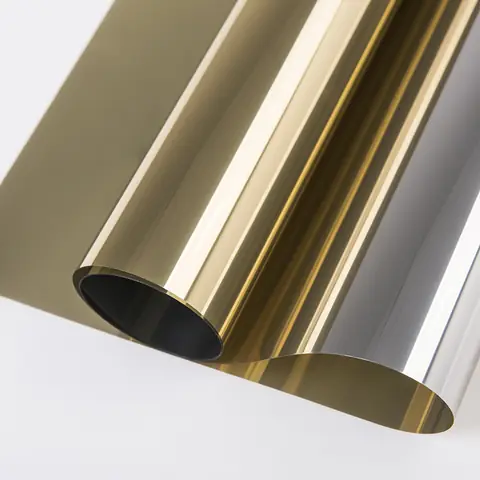
Reflective, mirror and chrome tint are restricted in many places. Laws often set a maximum reflectivity, sometimes written as "no more reflective than a standard window" or as a percentage, and some ban mirrored film on the front windows completely. Highly reflective film can dazzle other drivers and make the car hard to see into.
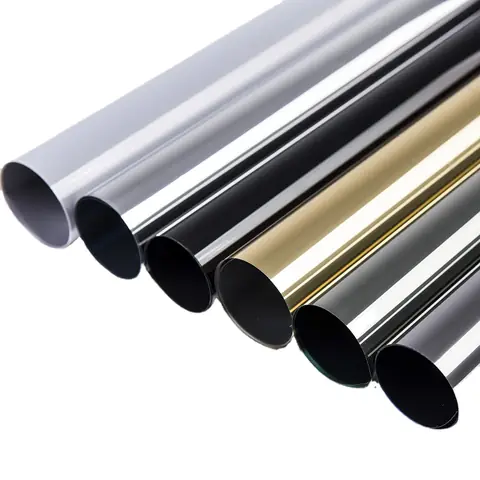
Color is also regulated in some jurisdictions. Red, amber and sometimes blue film can be restricted because those colors are associated with signals and emergency lights. Neutral charcoal, black and ceramic films are the safest choices for compliance. The film type explainer ceramic vs carbon vs dyed tint shows which constructions are non-reflective.
Medical exemptions for window tint
Many jurisdictions offer medical exemptions for people with conditions that make them sensitive to light or UV, such as certain skin, eye or autoimmune conditions. An exemption typically allows darker tint than standard limits, sometimes on the windshield too.
The process usually looks like this:
- A doctor or optometrist completes a form or letter stating the medical need.
- The driver applies to the DMV or relevant authority, which may issue a permit, certificate or sticker.
- The permit often names a specific vehicle, a minimum VLT and an expiry date.
- The driver keeps the permit in the car and shows it if stopped.
Exemptions do not mean any darkness is allowed, and they rarely transfer automatically to a new car. Check the exact process with your local authority.
Can you get pulled over for tint? Tickets and enforcement
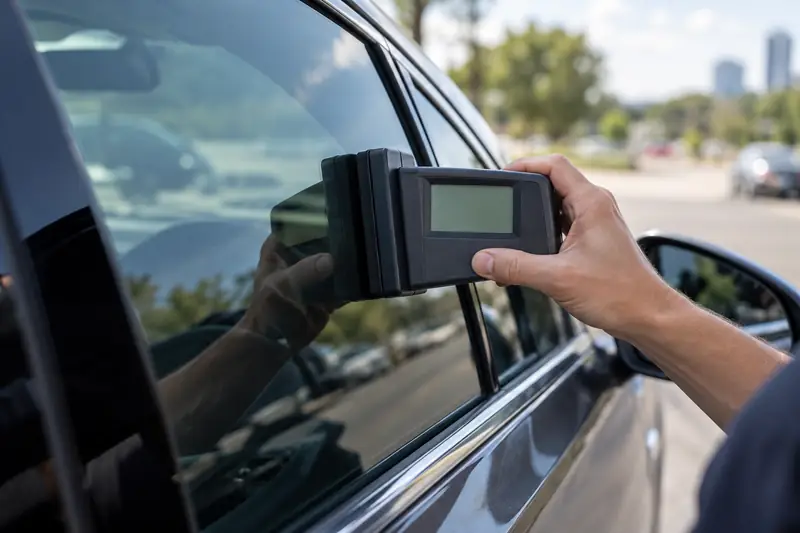
Yes. In many places, tint that looks too dark is a valid reason for a traffic stop. Officers commonly use a handheld tint meter to check VLT, and some inspections test tint as part of annual safety checks.
Penalties vary widely. Common outcomes include:
- A correction notice (sometimes called a fix-it ticket), where you remove the film and show proof by a deadline.
- A fine, which can increase for repeat offenses.
- Failing a vehicle safety inspection until the film is removed.
- In some places, additional penalties for windshield or reflective violations.
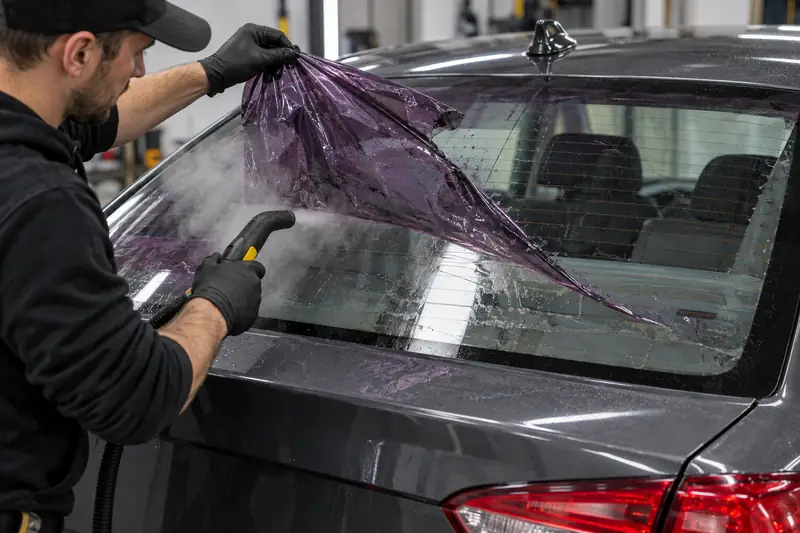
Removing illegal film is a job for a tint shop; see how to remove window tint for what removal involves and costs.
How VLT meters work
A tint meter has a light source on one side of the glass and a sensor on the other. Some clamp over the window edge; two-part meters place one piece inside and one outside. The meter shines visible light through the glass, measures how much arrives, and displays the percentage. Readings depend on clean glass, correct placement and calibration, and they measure total VLT, including the factory glass. Many shops own a meter so they can check a customer's windows before and after installation.
Why is tint illegal? The reasons behind tint laws
Tint laws exist mainly for safety. Very dark front windows reduce the driver's view at night and in bad weather, and make it harder to see pedestrians, cyclists and other drivers' eye contact at junctions. Law enforcement also points to officer safety during traffic stops, since dark tint hides what is happening inside the car. Reflective film can dazzle other road users. These concerns explain why rules are usually strictest on the windshield and front side windows.
Are tinted tail lights, brake lights and headlights illegal?
Light tint is often covered by separate vehicle lighting rules. Many places require headlights, tail lights and brake lights to emit a certain color and brightness and to be visible from a set distance. Smoked film can reduce output enough to break those rules, and tinted headlights in particular reduce how far you can see at night.
Some places tolerate light smoke on tail lamps; others prohibit any covering on lights. Our headlight and tail light film guide covers the options and the trade-offs. Check local lighting rules before tinting any lamp.
Advice for tint shops on legal tint
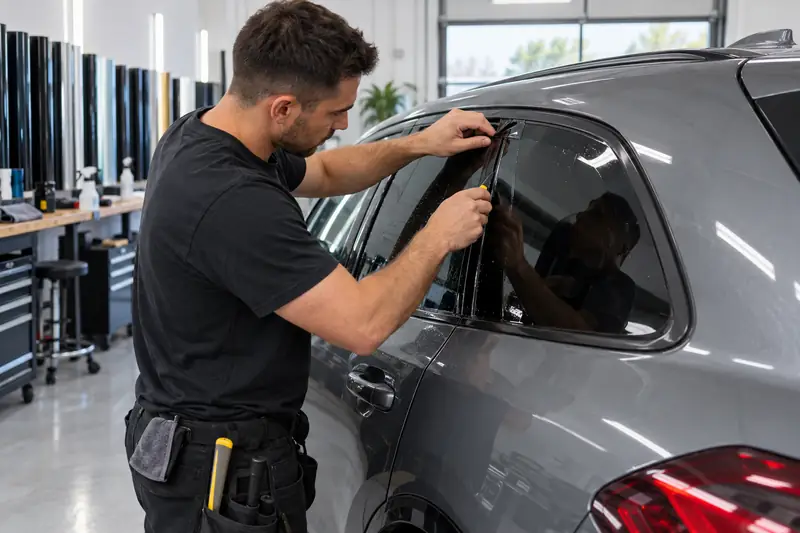
Shops are often the first place customers learn about tint laws, and in some places the installer can also be held responsible for illegal installs or must issue a compliance certificate. Practical steps include keeping current local rules posted at the counter, metering every car before and after, stocking a range of shades so you can match each window position, and keeping spec sheets on file.
Mars Decorative Film makes window tint film across standard VLT shades, from dark rear-window films to light windshield films, with an MOQ of one roll and mixed shades in a single order. Shops can request free samples to meter each shade on their own glass.
Frequently asked questions
Is 5 percent tint legal?
5 percent tint is darker than most front side window limits, so it is usually not legal on the front doors. Some places allow it on rear side windows and the back glass, sometimes only with two side mirrors. Check your local DMV or transport authority for current rules.
Is it illegal to tint your front windshield?
Full dark windshield tint is illegal in many places. Most laws allow a strip at the top above the AS-1 line or within a set distance, and some allow a light, nearly clear film on the whole windshield. Medical exemptions may allow more.
Is 20 percent tint legal?
It depends on the window and the location. 20% is commonly allowed on rear windows in many places, but many front side window limits are lighter than 20%. Remember that factory glass lowers the final reading.
Is mirror or chrome tint legal?
Mirror and chrome tint are restricted in many places because of glare to other drivers. Laws often cap reflectivity or ban mirrored film on front windows. Non-reflective charcoal or ceramic film is the safer choice.
Can you get pulled over for tint?
Yes. In many places, visibly dark tint is a valid reason for a traffic stop, and officers can measure it with a handheld meter. Outcomes range from a correction notice to fines.
Are tinted tail lights illegal?
Tinted tail lights and brake lights are illegal in many places if they reduce light output or change the color below what lighting rules require. Some places tolerate light smoke while others ban any covering. Check local vehicle lighting rules.
What is the darkest tint you can get legally?
The darkest legal tint depends on the window. On the front side windows it is your local minimum VLT measured on the finished window, while rear windows may allow much darker film in some places. A tint shop can meter your glass and recommend a compliant shade.