Window tint · 8 min read
Best window tint for cars: how to pick film type, shade and quality
How to choose the best window tint for your car: which film fits your goals, how to read spec sheets, what quality tint looks like and how to judge brands.
Short answer: The best window tint for most cars is a ceramic film in the darkest shade your local law allows, chosen by its measured TSER (total solar energy rejected), not by darkness alone. Carbon film is a strong mid-budget choice, dyed film suits tight budgets, and quality depends as much on the installer and warranty as on the film.
The best window tint is the film that matches what you actually want from your car windows: less heat, more privacy, less glare, or simply a cleaner look, within the legal limits where you drive. There is no single "best" roll for every car. This guide is for car owners comparing quotes and for tint shops deciding what to stock. It shows how to rank your priorities, which film type fits each one, how to read a spec sheet, what separates quality window tint from cheap film, and how to judge brands without relying on marketing.
Key takeaways
- Choose film type first (dyed, carbon, ceramic), then shade (VLT), then installer; the installer affects the result as much as the film.
- Ceramic film is the best type of window tint for heat control because it rejects infrared without needing to be dark.
- Carbon tint is good value: it does not fade to purple, blocks more heat than dyed film and costs less than ceramic.
- Compare films by TSER (total solar energy rejected), not by "IR rejection" headlines or darkness.
- Quality window tint has a clear spec sheet, consistent color, an adhesive that stays clear and a written warranty against fading, bubbling and peeling.
- The darkest legal shade is not always the best choice; night visibility and windshield rules matter too.
What type of window tint is best for cars?
For most drivers, nano ceramic film is the best type of window tint, carbon film is the best value, and dyed film is the budget option. The differences come from what is inside the film, which decides how it handles heat and how long the color lasts.
We compare the three constructions in detail in ceramic vs carbon vs dyed tint, so here is the short version for choosing:
| Film type | Best for | Heat control | Color stability | Typical price level |
|---|---|---|---|---|
| Dyed | Budget privacy and looks | Low to moderate | Can fade or turn purple over years | Lowest |
| Carbon | Value, matte black look | Moderate | Stable, no purple fade | Mid |
| Nano ceramic | Heat rejection, clear signals | High, even in light shades | Very stable | Highest |
| Ceramic IR (high-IR grades) | Hot climates, light legal shades | Highest | Very stable | Premium |
If you want to understand how ceramic particles work and what "nano ceramic" means, read our ceramic window tint guide.
How to choose the best window tint for your car in 5 steps
The fastest way to the right film is to decide your priorities before you look at brands or prices.
- Rank what you want. Heat, privacy, glare, looks or UV protection. Put them in order; it decides the film type.
- Check your local limits. Allowed VLT (visible light transmission, the share of visible light that passes through) differs by country, state and window position. Our window tint laws guide explains how limits work; confirm current rules with your local DMV or transport authority.
- Pick the film type. Heat as top priority points to ceramic. Privacy on a budget points to carbon or dyed. Mixed priorities usually land on carbon or an entry ceramic.
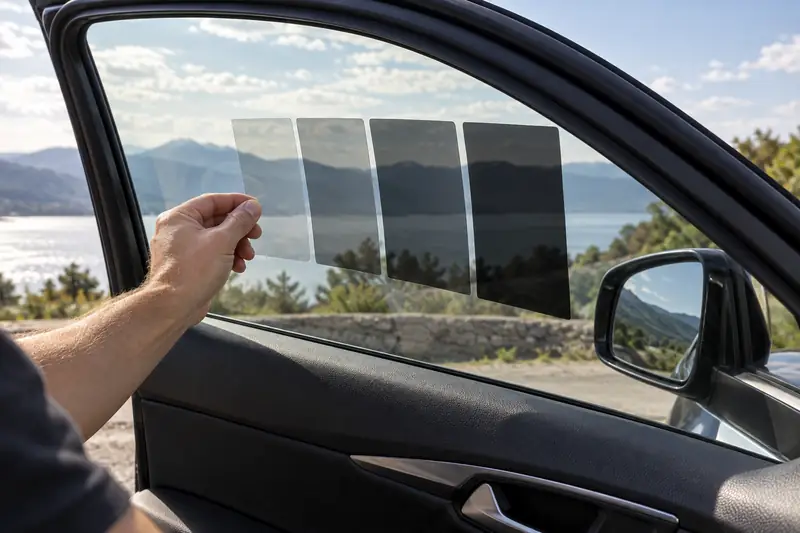
- Pick the shade by window. Many owners run a lighter shade on the front doors and a darker one on the rear. The VLT guide shows how 5%, 20%, 35%, 50% and 70% compare.
- Pick the installer and warranty. Ask what film line they use, request the spec sheet and read what the warranty covers and for how long.
Recommended car tint by priority
The recommended car tint depends on the goal. These pairings are common starting points; adjust for your local rules.
| Main priority | Recommended film | Typical shade choice | Why |
|---|---|---|---|
| Keep the cabin cool | Nano ceramic or ceramic IR | Legal front, 20–35% rear | Rejects infrared without needing a dark shade |
| Daytime privacy | Carbon or ceramic | 5–20% rear where allowed | Dark rear glass hides cabin and cargo |
| Night driving visibility | Ceramic | 35–50% front | Clearer optics, lighter shade keeps mirrors usable |
| Lowest cost | Dyed or entry carbon | Any legal shade | Gets the look and some UV protection for less |
| Windshield heat | Clear or near-clear ceramic | 70% or lighter, where legal | Cuts heat without darkening the view |
| Phones, GPS, toll tags | Carbon or ceramic | Any | Non-metal films do not interfere with signals |
For the windshield specifically, many places only allow a top strip or a very light film. The best tint for windshield use is usually a clear ceramic; see 70% windshield tint and the windshield sun strip guide.
Best window film for nighttime privacy
People often want rear privacy at night, but tint works by light levels. At night, when the cabin lights are on and outside is dark, anyone outside can see in through any shade. Darker shades such as 5% tint and 20% help most during the day. For night privacy, keep interior lights off or add a dark rear shade where legal.
Is carbon tint good? Is ceramic tint good?
Yes, both are good films when made and installed well. Carbon window tint is good for drivers who want a stable matte-black look and moderate heat reduction at a fair price. Carbon particles absorb light and some infrared, and they do not break down the way dyes can, so carbon film usually keeps its color for its full life.
Ceramic tint is good when heat is the main concern. Nano ceramic particles reflect and absorb infrared while letting more visible light through, so a 50% ceramic can feel cooler than a 20% dyed film. Ceramic also keeps optics clear and does not affect phone or GPS signals.
The trade-off is cost. Ceramic usually costs noticeably more than carbon at the same shop. If your climate is mild and you mostly want privacy, carbon may be the better buy. In hot, sunny regions, ceramic often pays off in comfort.
How to read a window tint spec sheet
A spec sheet is the most honest way to compare films. Look for these values, all measured on standard glass:
- VLT: how much visible light passes. Lower VLT means darker.
- TSER (total solar energy rejected): the share of total sun energy blocked. This is the best single number for heat.
- IRR (infrared rejection): often quoted at a narrow wavelength band, which makes it look higher than it is in real driving.
- UV rejection: quality automotive films typically block about 99% of UV.
- Visible light reflectance: how mirror-like the film looks from outside. Some regions limit reflectance.
- Thickness: usually around 1.5–2 mil (roughly 38–50 µm) for automotive tint.
Two films with the same VLT can have very different TSER. Our heat rejection window tint guide explains why darkness alone does not predict heat, and how to compare TSER fairly.
What does quality window tint look like?
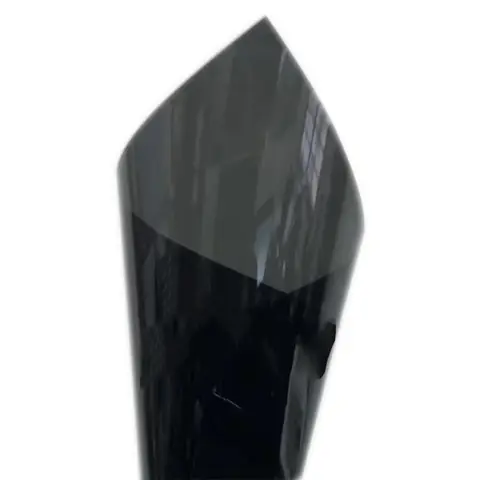
High quality window film looks even and clear, and it stays that way. You can judge quality window tint by checking a few things before and after install:
- Optical clarity. No haze, waviness or distortion when you look through it at an angle.
- Even color across the roll. Batch-to-batch consistency matters when a shop replaces one window years later.
- Clean adhesive. The adhesive should stay clear and not yellow or bubble with age.
- Scratch-resistant coating. Inside windows get rubbed by seat belts, rings and cleaning cloths.
- Neutral appearance. Charcoal or neutral black films do not shift to purple or brown.
- A written warranty. Good films come with coverage against fading, bubbling, peeling and adhesive failure. Read whether it covers labor too.
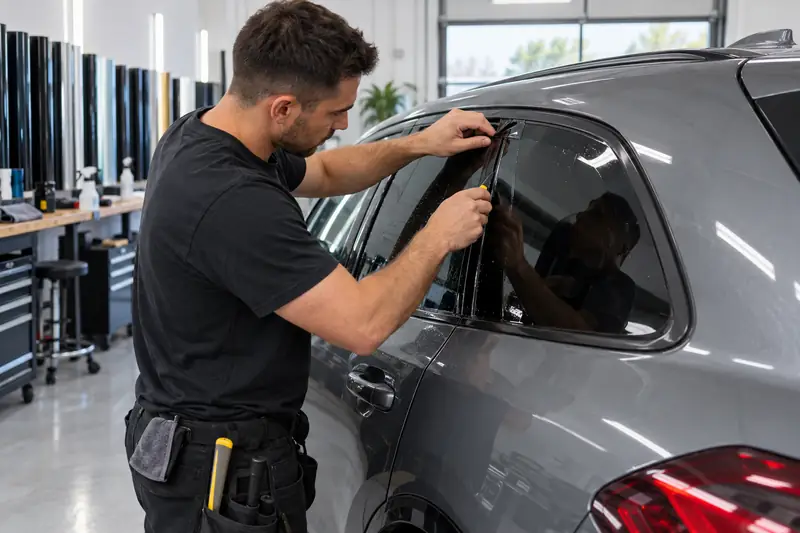
Quality tint is also a workmanship result. Clean edges, no dust under the film and tight gaps at the top edge show a skilled installer. Our car window tint guide covers what to expect from the process.
How to judge window tint brands
Searches for top car tint brands, the best window tint brand or ceramic tint brands show that buyers want a shortcut. A brand name helps only if you know what is behind it. Many films on the market are made by a smaller number of factories and sold under different labels, so the label alone tells you little.
Instead of ranking brands, ask the shop or supplier:
- What film line and construction is it? Dyed, carbon, ceramic or a hybrid.
- Can I see the spec sheet? Look for VLT, TSER, UV and reflectance on one page.
- What does the warranty cover, and who backs it? Shop warranty, film warranty, or both.
- Is the film traceable? Batch numbers on the box and roll show the maker controls quality.
- How long has the shop used it? Installers who have seen a film age for years are a good source of truth.
A good automotive tint brand is consistent, documented and backed. That applies to established labels and to private-label films sold by local distributors.
Stocking tint film for your shop
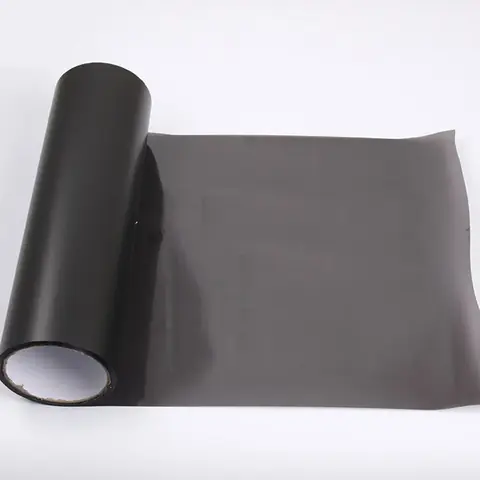
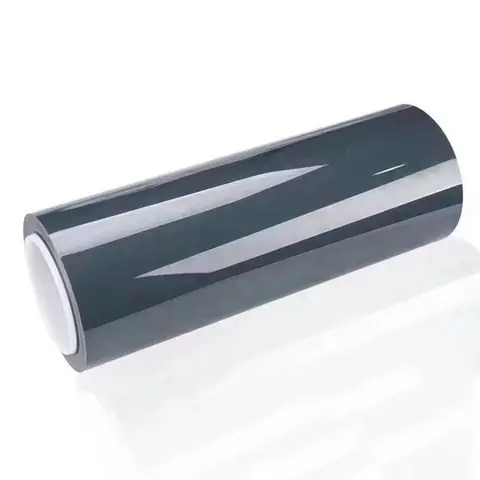
If you run a tint shop or distribution business, the best automotive window film for your customers is usually a small range: one dyed or carbon line for budget jobs and one ceramic line for heat-focused jobs, each in a few common shades. Mars Decorative Film makes window and light tint film in standard 1.52 m wide rolls, with an MOQ of one roll and mixed shades allowed in one order. Shops can request free A4 samples to test clarity and shrink behavior, and distributors can sell under their own label through our OEM and private label program. The tint rolls wholesale guide covers buying in volume.
Frequently asked questions
What is a good window tint?
A good window tint has clear optics, a stable color, an adhesive that stays clear, about 99% UV rejection and a written warranty. For most drivers that means a carbon or ceramic film installed by an experienced shop, in a shade that meets local rules.
What type of window tint is best for cars?
Nano ceramic is the best type of window tint for heat control and clarity, carbon is the best value, and dyed film is the lowest-cost option. The right choice depends on your climate, budget and how dark you want the windows to be.
Is carbon window tint good?
Yes. Carbon film keeps its color, has a matte look, rejects more heat than dyed film and does not interfere with electronics. It rejects less infrared than ceramic, so in very hot climates ceramic usually feels cooler.
Is nano ceramic tint good?
Yes, nano ceramic tint is one of the best performing film types. It rejects a large share of infrared heat while staying clear, works well in lighter legal shades and does not block phone or GPS signals. Its main drawback is a higher price.
What is the best tint for a windshield?
Where a full windshield film is allowed, a clear or very light ceramic film is the usual choice, because it cuts heat without darkening your view. Many places only allow a strip at the top, so check your local DMV or transport authority before installing.
What is the best PPF film?
The best PPF is usually a clear TPU film with a self-healing top coat, good clarity and a strong warranty. Paint protection film is a different product from window tint; see our guide on what paint protection film is to compare options.