Signage & printable · 6 min read
Adhesive vinyl guide: self-adhesive vinyl rolls, vinyl sheets and how to choose
Vinyl sheets vs rolls explained: how to choose self-adhesive vinyl by face film, adhesive and liner, plus contact paper vs sign vinyl and common uses.
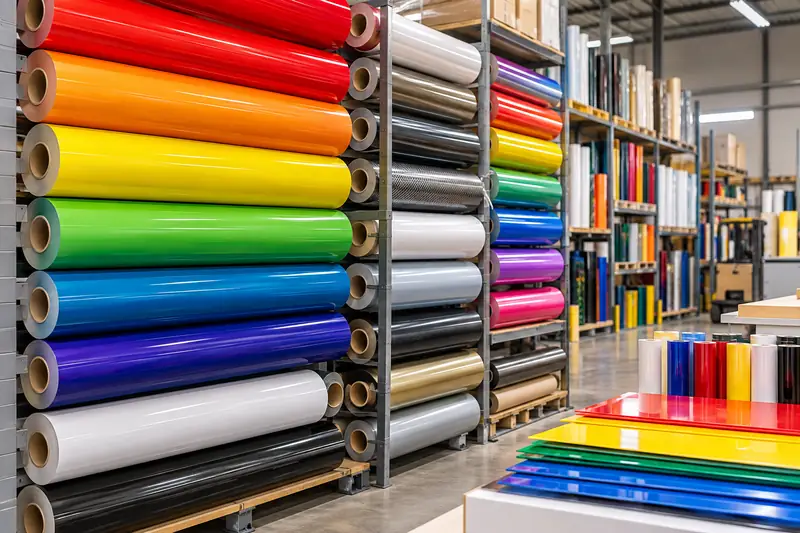
Short answer: Self-adhesive vinyl comes as rolls for production and as vinyl sheets for small runs and desktop cutters. Choose it by three layers: the face film (calendered or cast, color, finish, thickness), the adhesive (permanent or removable, clear or grey, air-release or not) and the liner (paper or PET, suited to your printer or cutter).
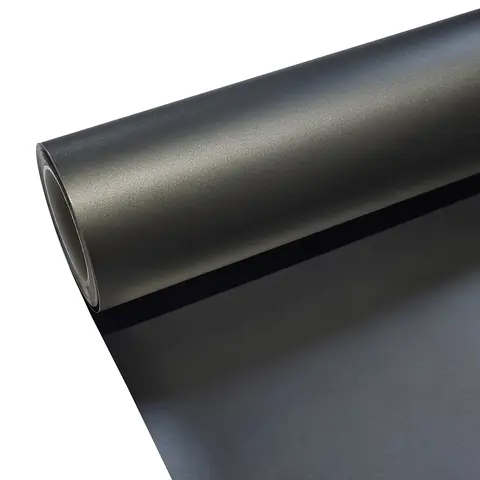
Adhesive vinyl, also called self-adhesive vinyl or adhesive backed vinyl, is a PVC film coated with a pressure-sensitive adhesive and carried on a release liner, sold either as rolls or as pre-cut vinyl sheets. It is the base material for stickers, signs, window lettering, vehicle decals and decorative surfaces. This guide is for sign shops, print shops, wrap shops and small businesses buying adhesive vinyl. It explains how the face film, adhesive and liner work together, when to buy rolls vs sheets, how sign vinyl differs from contact paper, and how to remove adhesive afterward.
Key takeaways
- Every self-adhesive vinyl has three layers: face film, adhesive and release liner. Choosing well means matching each to the job.
- Calendered face film suits flat surfaces and short to medium life; cast film suits curves, vehicles and long outdoor life.
- Permanent adhesive is standard for outdoor and vehicle work; removable adhesive is for walls, windows and short campaigns.
- Rolls are cheaper per square meter and feed plotters and wide-format printers; vinyl sheets suit small runs, samples and desktop cutters.
- Contact paper and shelf paper are decorative, short-life films, not engineered sign vinyl.
- Adhesive residue usually dissolves with isopropyl alcohol or a purpose-made adhesive remover.
What is adhesive vinyl?
Adhesive vinyl is a flexible PVC face film with a pressure-sensitive adhesive on the back, protected by a coated liner until application. Pressure-sensitive means the adhesive bonds when pressed with a squeegee, without heat or water activation (unlike heat transfer vinyl for fabric, which uses a heat-activated adhesive).
The three layers each do a job:
- Face film: the visible layer that carries color, print and finish, and sets durability and conformability.
- Adhesive: sets how strongly and how long the film sticks, and whether it removes cleanly.
- Liner: protects the adhesive, gives the film stiffness for printing and cutting, and sets how the material feeds through equipment.
How to choose self-adhesive vinyl: face film, adhesive and liner
Read a vinyl data sheet layer by layer. The table below shows the main options and what they mean in practice.
| Layer | Options | What it changes |
|---|---|---|
| Face film type | Monomeric calendered, polymeric calendered, cast | Outdoor life (roughly 1–3, 3–7 and 7–10+ years unprinted), shrinkage, conformability |
| Thickness | ~50 µm (2 mil) to ~100 µm (4 mil) for most sign films | Thin films conform better; thick vinyl sheets are stiffer and easier to handle flat |
| Color and finish | White, colors, clear, metallic, gloss, matte, patterned | Look; white and clear printable grades accept ink |
| Adhesive tack | Permanent, removable, high-tack | Bond strength and clean removal |
| Adhesive color | Clear or grey | Grey blocks show-through on printed graphics over busy surfaces |
| Air-release | Channeled or plain | Air channels help dry install of large graphics without bubbles |
| Liner | Paper (kraft or coated), PE-coated paper, PET | Lay-flat, printer feeding, plotter tracking, wet application |
Some practical pairings:
- Shop window lettering: polymeric calendered colored vinyl, permanent clear adhesive, paper liner for easy weeding.
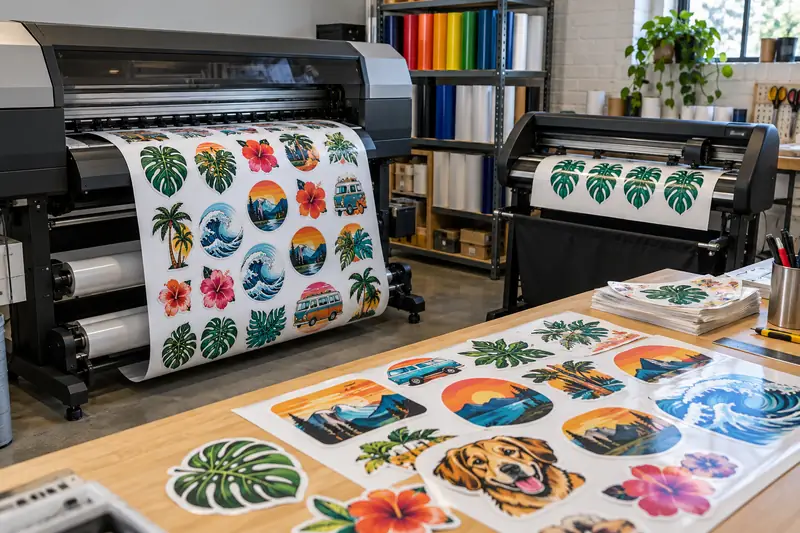
- Printed stickers and labels: white printable self-adhesive vinyl, permanent adhesive, stable liner for print-and-cut.
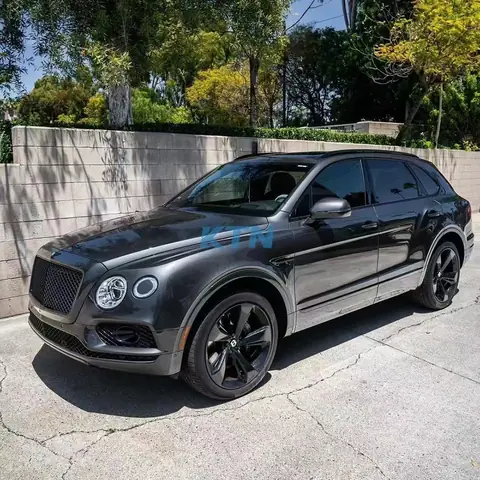
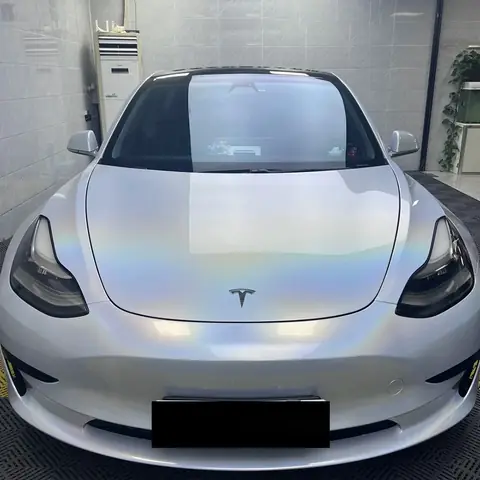
- Vehicle graphics and wraps: cast vinyl, permanent air-release adhesive (grey for print), as covered in the car decals guide.
- Indoor wall graphics: calendered vinyl with removable adhesive.
- Glass privacy: frosted or clear film; see the clear adhesive vinyl guide.
For a deeper look at adhesive types, read permanent vs removable adhesive vinyl.
Vinyl sheets vs rolls: which should you buy?
Rolls are the production format; adhesive vinyl sheets are the convenience format. Most shops use both.
| Rolls | Vinyl sheets | |
|---|---|---|
| Cost per m² | Lower | Higher |
| Equipment | Wide-format printers, roll-fed plotters, laminators | Desktop cutters, small printers, hand cutting |
| Waste | Low with good nesting | Offcuts on every sheet |
| Best for | Production runs, signs, vehicle graphics | Samples, small orders, color matching, craft-scale sticker sheets |
| Storage | Hang or store rolls upright in their boxes | Flat, away from heat |
Self adhesive vinyl sheets are handy for testing a color or adhesive before buying a full roll, and for customers who need only a few decals. For anything over a few square meters, rolls are usually the better buy.
Printable vs cutting adhesive vinyl
Adhesive vinyl splits into printable grades and solid-color cutting grades.
- Printable self-adhesive vinyl has an ink-receptive white or clear face for eco-solvent, latex or UV printers. It is used for stickers, labels, custom adhesive posters and printed signs. See the printable vinyl guide.
- Cutting vinyl is colored through the film and is cut on a plotter for lettering and logos. See the vinyl cutter and sign vinyl guide.
- Patterned adhesive vinyl and patterned vinyl sheets carry pre-printed designs such as wood grain, marble or carbon for decor and accent work.
For vehicle color changes, shops use dedicated wrap films such as PVC vinyl wrap, which are thicker and more conformable than standard sign vinyl.
Adhesive vinyl vs contact paper and adhesive paper
Self adhesive contact paper, vinyl contact paper and adhesive shelf paper are decorative films for drawers, shelves and furniture. They are typically low-cost calendered films with removable or semi-permanent adhesive, made for indoor use and not rated for years outdoors.
Adhesive paper and self adhesive paper (including label adhesive paper and adhesive photo paper) use a paper face instead of vinyl. Paper tears, absorbs water and is meant for indoor labels and short-life prints.
Engineered sign vinyl is the right choice whenever durability, water resistance or outdoor use matters. Decorative adhesive film and contact paper are fine for indoor surfaces where low cost matters more than life.
How to apply adhesive vinyl
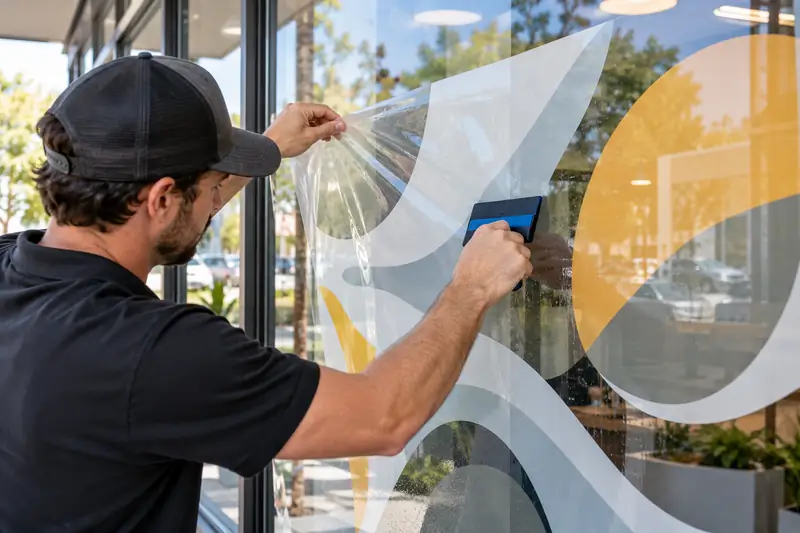
Most adhesive vinyl is applied dry; clear films on glass are often applied wet.
- Check the temperature. Apply within the film's range, commonly around 10–30 °C (50–86 °F).
- Clean the surface with isopropyl alcohol solution and let it dry.
- Hinge the graphic with masking tape to fix its position.
- Peel the liner back behind the hinge and squeegee from the center outward with overlapping strokes.
- Remove transfer tape (for cut graphics) at a sharp, low angle. The transfer tape guide covers tape choice.
- Burnish the edges and avoid washing for a day or two while the bond builds.
What dissolves adhesive left by vinyl?
Isopropyl alcohol dissolves light adhesive residue on most surfaces; heavier residue usually needs a citrus-based or purpose-made adhesive remover. Warm the area first so the adhesive softens, then wipe and clean off the remover.
On glass, a plastic or glass-safe razor plus remover is effective. On car paint, avoid harsh solvents such as acetone, which can damage clear coat. Our guides to removing sticker residue and choosing an adhesive remover for cars cover safe options for paint, glass and wrap.
Buying adhesive vinyl for your shop
Mars Decorative Film manufactures printable self-adhesive vinyl, white self-adhesive vinyl and cutting vinyl in rolls, including colors such as matte gold cutting vinyl, alongside vehicle wrap films. The MOQ is one roll, colors and products can be mixed in one order, and in-stock items typically ship in about three business days. Request free A4 samples to test print, cut and adhesion, or ask about private-label packaging if you sell vinyl under your own brand.
Frequently asked questions
What is the difference between adhesive vinyl and contact paper?
Adhesive sign vinyl is engineered for printing, cutting and outdoor durability, with data on film life and adhesive performance. Contact paper is a low-cost decorative film for indoor shelves and furniture and is not rated for long outdoor use.
Are vinyl sheets or rolls better?
Rolls are better for production because they cost less per square meter and feed printers and plotters. Vinyl sheets are better for samples, small jobs and desktop cutters.
What dissolves adhesive?
Isopropyl alcohol dissolves most light vinyl adhesive residue. Heavier or older residue usually needs a citrus-based or purpose-made adhesive remover, applied after warming the area. Test any product on an inconspicuous spot first.
Is self adhesive vinyl waterproof?
Sign-grade self-adhesive vinyl is water resistant and holds up to rain and washing. Printed vinyl should be laminated for outdoor use, and the edges should be well burnished to keep water out.
What thickness of adhesive vinyl should I buy?
Most sign and sticker vinyl is roughly 50–100 µm (2–4 mil). Thinner cast films conform better to curves and rivets, while thicker calendered films are easier to handle on flat surfaces.
Can adhesive vinyl be used on windows?
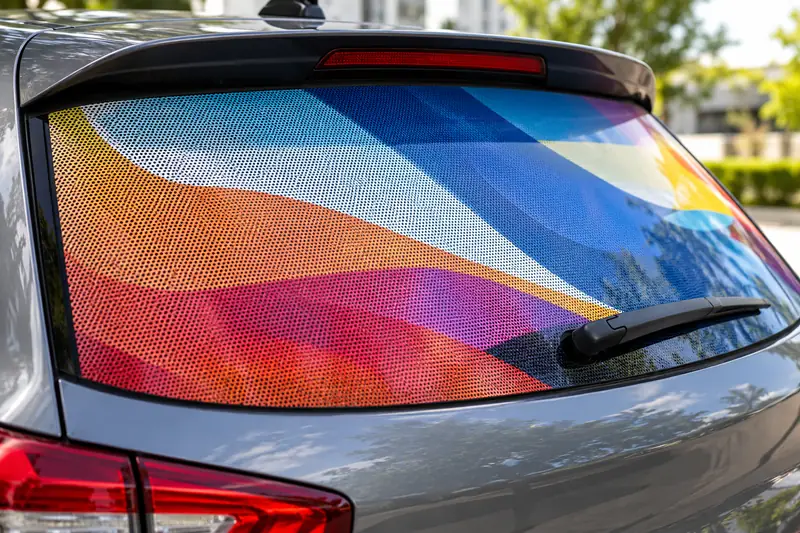
Yes. Cut lettering, printed graphics, clear and frosted films all work on glass. For see-through graphics on vehicle windows, use perforated window vinyl instead of solid film.