Signage & printable · 6 min read
Permanent vs removable adhesive vinyl: which one to use and when
Permanent vinyl vs removable adhesive vinyl explained: how each adhesive works, outdoor life, which jobs suit each, transfer tape tack and how to remove them.
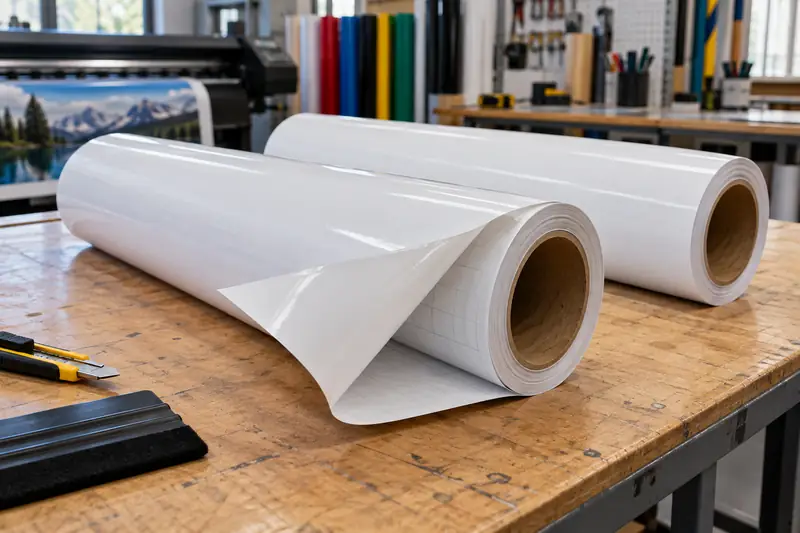
Short answer: Permanent vinyl uses a high-tack adhesive that builds a strong bond over 24–72 hours and is meant for outdoor signs, vehicles and long-term graphics. Removable vinyl uses a lower-tack adhesive designed to peel off cleanly within its rated period, for walls, windows, short promotions and indoor decor. Permanent vinyl can still be removed with heat.
Permanent vinyl is self-adhesive vinyl with a high-tack adhesive designed to stay bonded for years outdoors, while removable vinyl uses a gentler adhesive meant to peel away cleanly when the job ends. Choosing the wrong one is behind many callbacks: removable decals that blow off a van, or permanent wall graphics that pull paint when the tenant moves out. This guide is for sign shops, print shops, wrap shops and small businesses. It explains how each adhesive behaves, which jobs suit which, how to pick transfer tape for each, and how to remove both.
Key takeaways
- Permanent and removable describe the adhesive, not the face film; the same film can come with either adhesive.
- Permanent adhesive vinyl builds bond over roughly 24–72 hours and is the standard for outdoor signs, vehicles and long-term graphics.
- Removable vinyl is designed to come off cleanly within a stated period, typically for indoor walls, windows and short promotions.
- "Permanent" vinyl is not permanent forever; it can be removed with heat, though residue is more likely.
- Removable vinyl usually needs low tack transfer tape; permanent vinyl takes a medium-tack tape.
- When in doubt, test both on the actual surface before a production run.
What is permanent vinyl?
Permanent vinyl is self-adhesive vinyl whose adhesive is formulated for maximum long-term bond, usually a solvent-based acrylic. It grabs on contact, then continues to flow into the surface and gain strength for a day or more after application.
Permanent adhesive vinyl is what sign shops use for:
- Permanent signage on aluminum composite, acrylic and glass
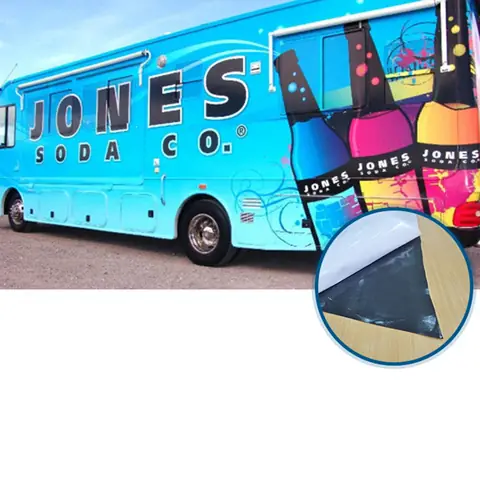
- Vehicle lettering, decals and fleet graphics
- Outdoor stickers, product labels and equipment marking
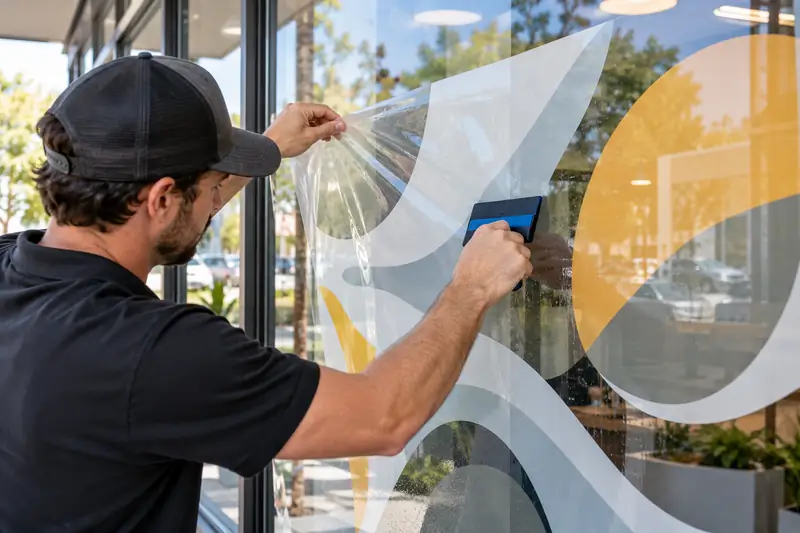
- Long-term window lettering on the outside of the glass
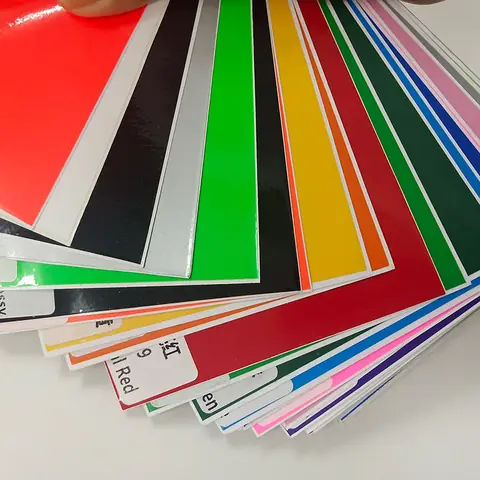
Most outdoor sign vinyl comes with permanent adhesive by default, whether it is cutting vinyl, printable permanent vinyl or patterned permanent vinyl with a pre-printed design. The vinyl cutter and sign vinyl guide covers how film class affects life.
What is removable vinyl?
Removable vinyl (often searched as non permanent vinyl) uses an adhesive with lower peel strength that is designed not to build excessively over time. Within the removability period stated on the data sheet, it should come off without leaving residue or damaging the surface.
Typical uses include:
- Indoor wall graphics and decals on painted walls
- Seasonal and promotional window graphics
- Point-of-sale and event signage
- Short-term vehicle promotions where the owner wants a clean removal
- Stencils for painting and sandblasting
Removable does not mean repositionable. Repositionable adhesives can be lifted and moved during application; most removable vinyl still grabs firmly once squeegeed down.
Permanent vs removable vinyl compared
The core difference is how strongly the adhesive bonds and how that bond changes over time.
| Permanent vinyl | Removable vinyl | |
|---|---|---|
| Initial tack | High | Low to medium |
| Bond over time | Builds over roughly 24–72 hours and keeps strengthening | Designed to stay at a controlled level |
| Typical outdoor life | Matches the film, often 3–7+ years for polymeric and cast | Short-term; check the data sheet |
| Removal | Possible with heat; residue more likely after years | Clean within the rated period |
| Best surfaces | Metal, glass, acrylic, painted vehicles | Painted walls, glass, smooth plastics |
| Common mistakes | Using it on fresh or weak paint indoors | Using it outdoors long term or on textured surfaces |
Which one should you use?
Use permanent vinyl when the graphic must survive weather, washing or years of service; use removable vinyl when the surface owner expects a clean removal soon. A few rules of thumb:
- Outdoors for more than a few months? Choose permanent adhesive.
- On a vehicle? Choose permanent adhesive on a vehicle-grade film. Even short promotions see car washes and highway speeds. See the car decals guide.
- On interior painted walls? Choose removable vinyl and let fresh paint cure for at least a few weeks before applying.
- On rented premises or leased vehicles? Removable, or permanent with a planned removal using heat.
- On low-energy plastics, powder coat or textured surfaces? Test both; some need a high-tack adhesive or an adhesion promoter.
For printed outdoor work, the laminate and ink matter as much as the adhesive. The outdoor vinyl and weatherproof stickers guide covers durability ranges by film type.
Transfer tape for permanent and removable vinyl
Transfer tape must stick more strongly to the vinyl than the vinyl's liner does, but less strongly than the vinyl will stick to the final surface. That balance changes with the adhesive.
- Transfer tape for permanent vinyl: a medium-tack paper or clear tape works for most glossy and matte permanent films. Very high tack can be hard to release from fine lettering.
- Low tack transfer tape for vinyl: use it with removable vinyl, which has a weaker bond to the substrate. A high-tack tape can lift the removable vinyl back off the wall.
- Clear transfer tape helps with alignment on windows and layered designs.
If transfer tape will not release, burnish the graphic again, peel the tape back at a sharp angle close to the surface, and consider a lower-tack tape. The transfer tape guide goes deeper on paper vs clear tape and tack levels. Low tack adhesive tape is also useful for hinging graphics during installation.
How to remove permanent and removable vinyl
Removable vinyl usually peels away by hand at a low angle. Permanent vinyl needs heat and patience.
- Warm the vinyl with a heat gun or hair dryer until it is soft but not melting.
- Lift a corner with a plastic scraper or fingernail, never a metal blade on paint.
- Peel slowly at a low angle, reheating as you go so the adhesive stays with the film.
- Remove residue with isopropyl alcohol or a purpose-made adhesive remover, testing it first.
- Wash and inspect the surface before applying new graphics.
The sticker residue removal guide and the adhesive remover guide cover safe products for paint, glass and wrap.
Clear, printable and patterned permanent vinyl
Permanent adhesive comes on many face films, not only solid colors.
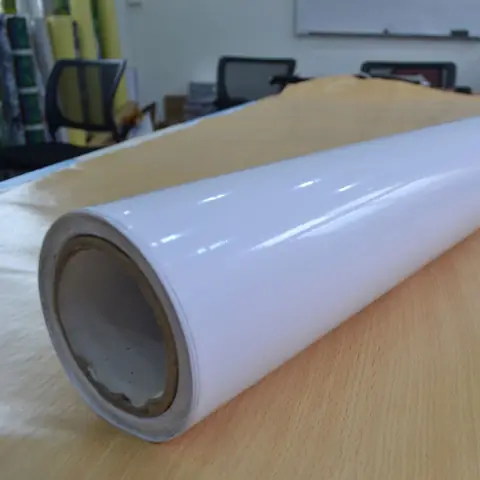
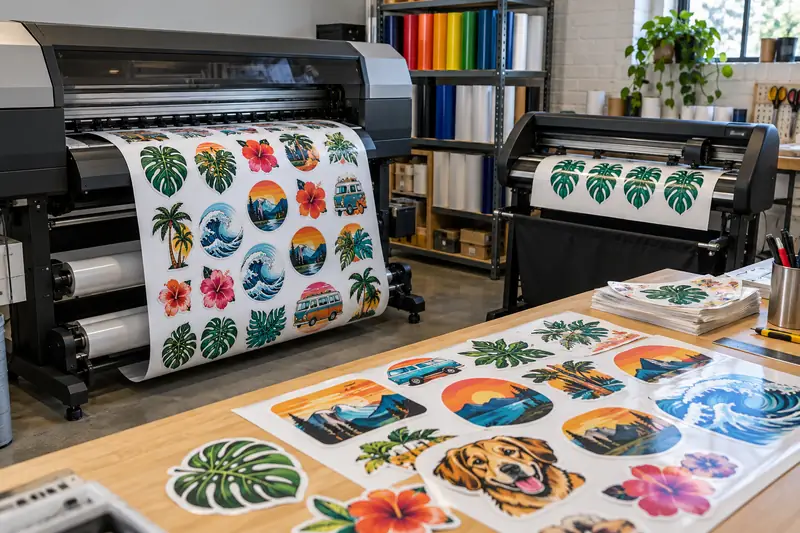
- Printable permanent vinyl: white or clear printable vinyl with permanent adhesive for printed stickers, labels and signs. Printed permanent vinyl for outdoor use should be laminated.
- Transparent permanent vinyl: clear film with clear permanent adhesive, used for window graphics and labels where the surface shows through. See the clear adhesive vinyl guide.
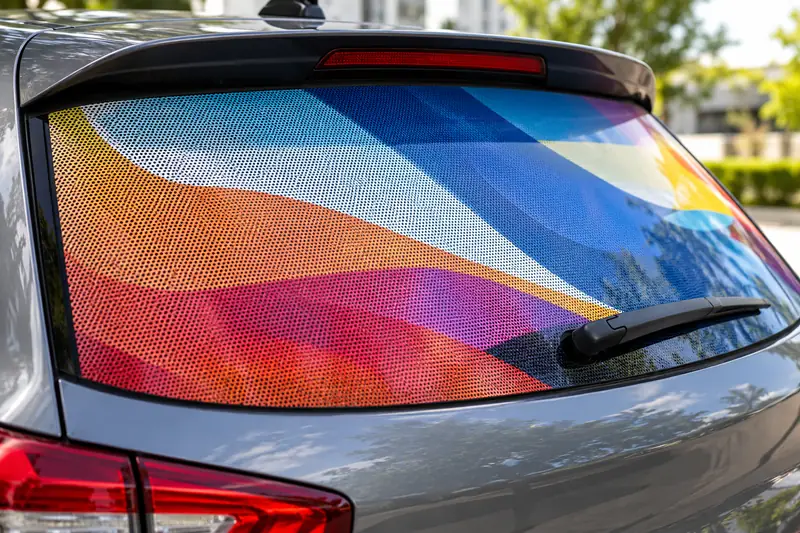
- Patterned permanent vinyl: pre-printed patterns such as carbon or wood grain for decor and accent work.
- Permanent vinyl sheets: pre-cut sheets for small runs and desktop cutters; rolls are more economical for production.
Stocking permanent vinyl for your shop
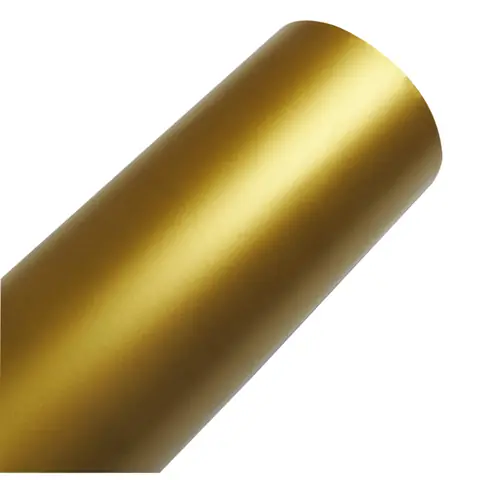
Mars Decorative Film manufactures printable self-adhesive vinyl, white self-adhesive vinyl and cutting vinyl, including colors such as matte gold cutting vinyl, for sign, print and wrap shops. The minimum order is one roll and colors can be mixed. If you need a specific adhesive type for a job, tell us the surface and expected life when you ask for free samples, and test removal on the real substrate before production.
Frequently asked questions
What is the best permanent vinyl?
The best permanent vinyl is the one rated for your surface and required life. Polymeric calendered vinyl suits most flat outdoor signs and windows, while cast vinyl is better for vehicles, curves and the longest outdoor life.
Can permanent vinyl be removed?
Yes. Warm it with a heat gun or hair dryer and peel slowly at a low angle. Older permanent vinyl may leave adhesive residue, which comes off with isopropyl alcohol or an adhesive remover.
What is non permanent vinyl used for?
Non permanent, or removable, vinyl is used for indoor wall decals, temporary window graphics, event signage, stencils and short promotions. It is designed to peel off cleanly within its rated period.
What transfer tape should I use for permanent vinyl?
A medium-tack paper or clear transfer tape suits most permanent vinyl. If the tape will not release, burnish again and peel at a sharp angle, or switch to a slightly lower tack tape.
Do you need low tack transfer tape for removable vinyl?
Usually yes. Removable vinyl bonds less strongly to the surface, so a high-tack tape can pull it back off. Low tack transfer tape releases more easily and leaves the graphic in place.
Can you put permanent vinyl on a wall?
You can, but it may pull paint or leave residue when removed. For painted walls, removable vinyl is the safer choice, applied only after the paint has fully cured.