Vinyl wraps · 8 min read
Chrome delete: how to black out chrome trim with vinyl wrap
Chrome trim delete explained: which vinyl wrap to use for a chrome delete, step-by-step trim wrapping, what it costs, how long it lasts and how to remove it.
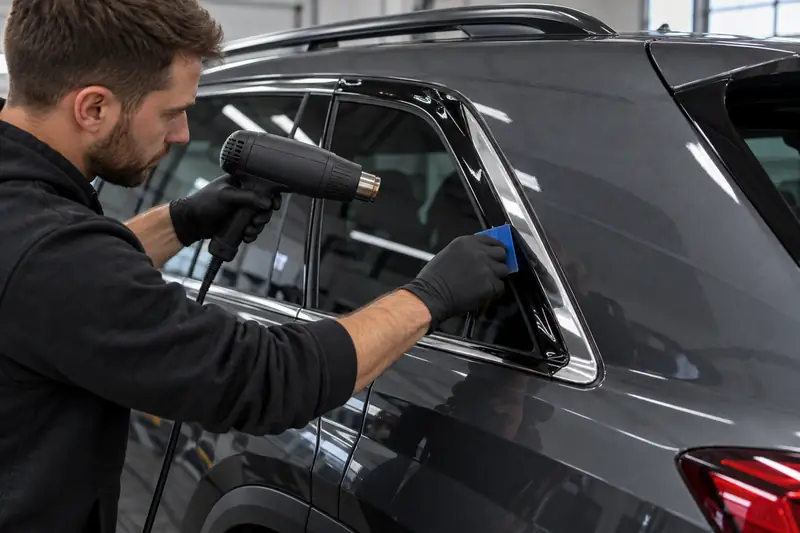
Short answer: A chrome delete covers a car's chrome trim, such as window surrounds, grille bars, badges and bumper strips, with black or colored vinyl wrap. Satin and gloss black PVC films are the most common choices. A professional chrome delete typically costs roughly USD 200–600 for window trim alone and more for full exterior trim, and the vinyl can be removed later.
Chrome trim is the bright, mirror-finished strip work found around windows, grilles, badges, bumpers and roof rails on many cars, and a chrome delete is the process of covering that trim so it matches a darker, more modern look. Vinyl wrap is the most popular way to do it because it is affordable, reversible and quick. This guide is for wrap shops adding chrome delete jobs and for owners planning one. It covers which film to use, the main trim areas, a step-by-step method, cost, durability and removal.
Key takeaways
- A chrome delete covers automotive chrome trim with vinyl, paint or replacement parts; vinyl is the most common and fully reversible method.
- Satin black and gloss black are the most popular chrome delete colors; matte black, body color and carbon fiber are alternatives.
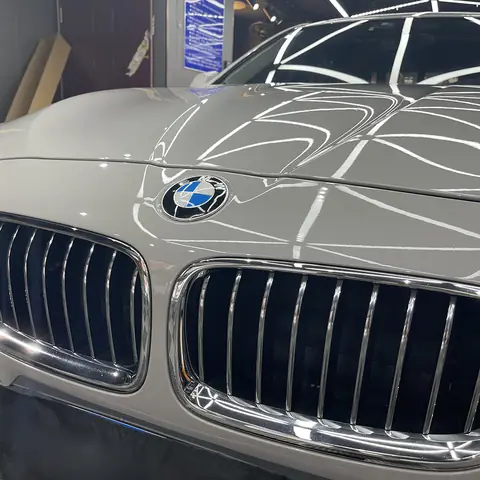
- Window trim is the most common chrome delete area, followed by grilles, badges, bumper strips and roof rails.
- Thin, conformable cast or high-quality PVC film is easier to wrap around tight trim edges than thick or stiff film.
- Clean edges, adhesion promoter on tricky returns, and proper post-heating decide whether the trim wrap lasts.
- A professional window trim chrome delete typically costs roughly USD 200–600; full exterior chrome delete jobs cost more.
What is a chrome delete?
A chrome delete removes the visual chrome from a car without necessarily removing the parts. On a chrome delete car, the bright trim is wrapped, painted or swapped for black parts so the car looks sleeker. Many manufacturers now offer "black package" trim from the factory, and a chrome delete vinyl wrap recreates that look on cars built with chrome.
Owners choose a chrome delete for several reasons:
- Style. Black trim makes the car look lower, cleaner and more modern, especially on dark or satin colors.
- Matching a color change. Chrome trim can clash with a new wrap color.
- Hiding wear. Old chrome trim can pit, fade or haze; covering it is cheaper than replacing it.
- Reversibility. Vinyl can be removed before resale to show the original trim.
Chrome delete methods compared
Vinyl is not the only way to delete chrome. The table compares the main options.
| Method | Typical cost | Reversible | Durability | Notes |
|---|---|---|---|---|
| Vinyl wrap | Low to moderate | Yes | Several years with good film and install | Most popular; many colors and finishes |
| Color PPF | Moderate to high | Yes | Often longer than vinyl; self-healing | Thicker; harder on tight trim edges |
| Paint or peelable coating | Low (DIY) to moderate | Paint: no; peelable coatings: partly | Varies; prep is critical | Chrome needs special primer to bond paint |
| Replacement black trim | Moderate to high | Yes, by refitting chrome | Factory-level | Parts availability varies by model |
For most cars, a vinyl wrap for chrome delete offers the best balance. Color PPF is a premium option for owners who want extra protection. Color PPF is self-healing TPU, so it shrugs off light scratches better than vinyl.
Best vinyl wrap for chrome trim
The best vinyl wrap for chrome trim is a thin, conformable film in a finish that matches the rest of the car's dark details. Satin black is the most popular because it looks like factory black trim and hides small flaws. Gloss black suits piano-black grilles and cars with lots of gloss trim. Matte black gives a stealth look but marks more easily.
Things to look for in chrome delete vinyl:
- Conformability. Window trim often has tight radius edges and returns under rubber seals. Cast films or high-quality PVC films with good stretch and memory hold better.
- Air-release adhesive. Channels in the adhesive let trapped air escape on long, narrow strips.
- Thickness. Thinner films tuck under seals more easily. Very thick films can lift at the edges.
- Finish match. Match the black to other trim. Satin black next to gloss black plastic can look mismatched.
Our satin, matte and gloss black wrap guide compares the three blacks in more detail.
Common chrome delete areas
Chrome trim appears in more places than most owners notice. A full chrome delete usually covers some or all of these:
| Trim area | Difficulty | Notes |
|---|---|---|
| Window trim (beltline and surrounds) | Moderate | The most requested chrome delete window trim job; edges tuck under rubber |
| Grille surround and bars | Moderate to hard | Removing the grille makes wrapping much easier |
| Badges and emblems | Hard | Often removed, then debadged or replaced with black badges |
| Bumper and side strips | Easy to moderate | Usually long, flat strips |
| Roof rails | Moderate | Long runs that need careful alignment |
| Mirror caps | Moderate | Compound curves; often wrapped with mirror removal |
| Exhaust tips | Not suitable | Exhaust heat damages vinyl; use high-temperature coatings instead |
Interior trim can also be deleted. Chrome door handles, vent rings and console trim are covered with interior trim wrap; see our interior vinyl wrap guide for interior-specific advice, including airbag areas you must avoid.
How to wrap chrome trim step by step
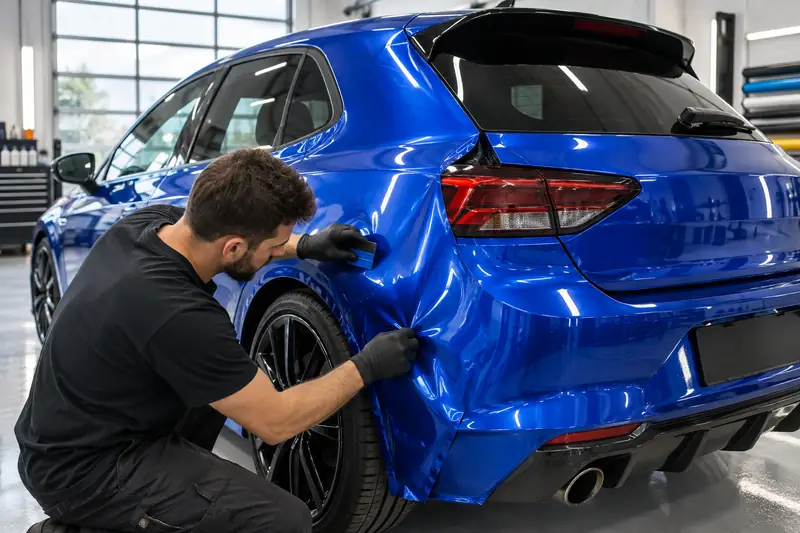
Wrapping chrome trim is detail work. A careful installer follows a sequence like this:
- Clean thoroughly. Wash the trim, then wipe with an isopropyl alcohol solution. Use a plastic pick or detailing brush wrapped in a microfiber to clean under rubber seals.
- Remove parts where practical. Grilles, badges and some trim pieces come off. Wrapping off the car gives cleaner edges and fewer cuts on paint.
- Cut strips with overlap. Cut film strips about 2–3 cm (roughly 1 in) wider and longer than the trim so you have material to wrap around edges.
- Apply adhesion promoter where needed. On tight returns and edges that stay under tension, a thin line of primer helps the film stay down. Our guide to adhesion promoter for vinyl wrap explains where to use it.
- Lay the film along the face. Anchor one end, lay the film across the trim face and squeegee from the center outward with a felt-edged squeegee.
- Heat and wrap the edges. Warm the film lightly with a heat gun and wrap it around the trim edges and under seals. Avoid overheating near rubber and glass.
- Trim the excess carefully. Cut against the trim edge, not against paint or glass. Where a cut must sit near paint, use knifeless tape instead of a blade.
- Post-heat everything. Bring stretched areas and edges to the post-heat temperature in the film's data sheet to lock in the film's memory and reduce lifting.
- Let it settle. Avoid washing the car for a day or two so the adhesive can build bond.
The most common failure on chrome delete jobs is lifting at the ends of window trim strips, where the film is cut short. Wrapping the film around ends or tucking it under seals solves most of this.
How much does it cost to chrome delete a car?
How much a chrome delete costs depends on how much trim the car has and how much needs removing. Typical professional prices in many markets are roughly:
| Job | Rough price range (USD) |
|---|---|
| Window trim only | 200–600 |
| Window trim plus grille and badges | 400–900 |
| Full exterior chrome delete (windows, grille, badges, strips, roof rails) | 600–1,500+ |
| DIY film and basic tools for window trim | 30–100 |
Prices vary by market, vehicle and shop. Large SUVs and luxury cars with lots of chrome trim cost more; cars that need grilles or bumpers removed take extra labor. A chrome delete is often discounted when bundled with a full color-change wrap.
How long does a chrome delete last and can it be removed?
A vinyl chrome delete with quality film and a careful install typically lasts several years. Window trim sees a lot of sun and car-wash wear, so it can age faster than body panels. The ends of strips and edges under seals are the first places to show lifting.
Removing a chrome delete is usually straightforward: warm the film with a heat gun, peel slowly at a low angle and clean any adhesive residue with a product that is safe for the trim. Chrome-plated plastic trim can be delicate, so avoid scraping with metal tools. For more, see how to remove a car wrap safely.
Stick-on chrome trim and chrome trim tape
Some owners want the opposite of a chrome delete: adding bright trim. Stick on chrome trim and chrome trim tape are flexible strips with adhesive backing, used to add accents around windows or bumpers. Chrome-look vinyl can also be cut into strips. Our chrome wrap guide explains how chrome films behave.
Supplying chrome delete film for your shop
Chrome delete is a fast, repeatable job that brings cars into a shop and often leads to bigger wrap work. Shops typically stock satin black and gloss black for most jobs, matte black for stealth builds and carbon fiber for accents.
Mars Decorative Film makes satin, gloss and matte blacks in its PVC vinyl wrap range and supplies squeegees, knives and knifeless tape in its wrap tools line. Full 1.52 m rolls ship with an MOQ of one roll, and mixed colors are fine in one order. Request free samples to test how each black wraps around your most common trim profiles.
Frequently asked questions
How much does it cost to chrome delete a car?
A professional chrome delete typically costs roughly USD 200–600 for window trim and USD 600–1,500 or more for a full exterior chrome delete. Price depends on how much trim the car has, how many parts need removing, and the shop. Prices vary by market.
What is the best color for a chrome delete?
Satin black is the most popular color because it matches factory black trim and hides minor flaws. Gloss black suits cars with piano-black details, and matte black gives a stealth look. Body-color and carbon fiber wraps are also used.
Can you wrap chrome trim yourself?
Yes, window trim is a common DIY wrap project because the pieces are small and film is inexpensive. The hard parts are wrapping tight edges and tucking film under rubber seals. Practice on a straight strip first and use a heat gun carefully near rubber and glass.
How long does a vinyl chrome delete last?
With quality film and a careful install, a vinyl chrome delete typically lasts several years. Window trim gets heavy sun and car-wash exposure, so strip ends and edges may need touching up sooner than body panels.
Does a chrome delete damage the trim?
Quality vinyl applied and removed correctly should not damage chrome trim. Damage usually comes from blades cutting into trim or paint, or from forcing film off cold. Warm the film before removal and avoid metal scrapers on plated plastic.
Can you chrome delete window trim with PPF?
Yes, black color PPF can be used for a chrome delete and adds self-healing and impact resistance. It is thicker than vinyl, so tight edges and returns under seals are harder to wrap, and it usually costs more.